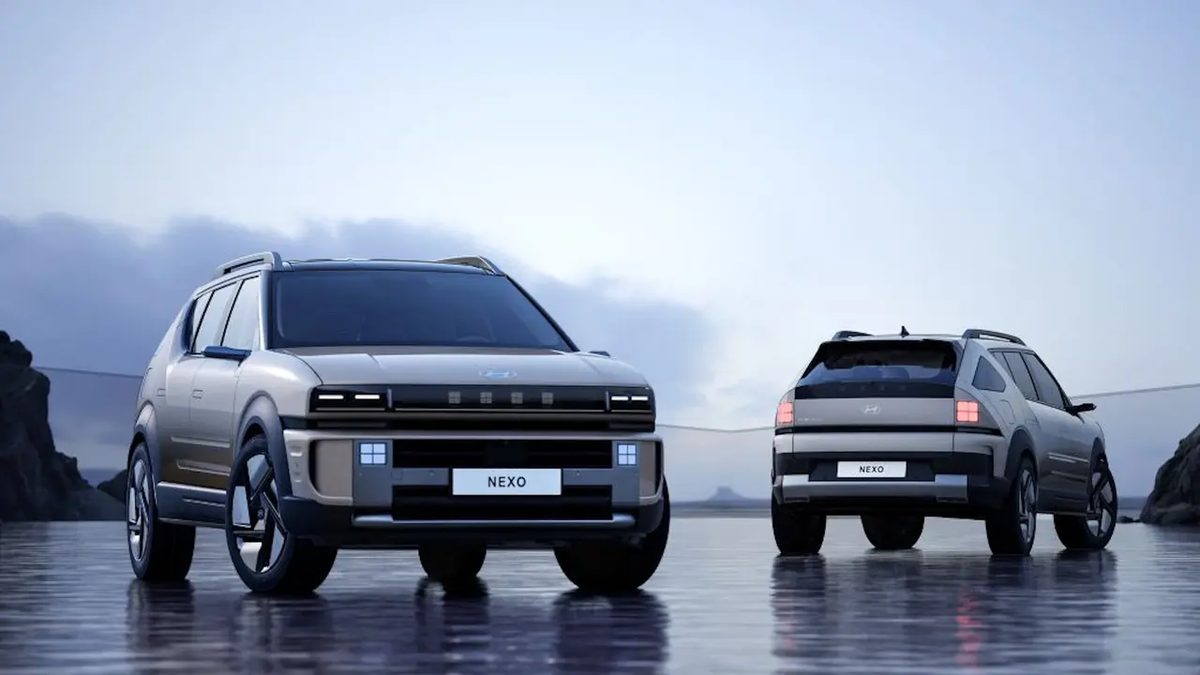
Electric cars dominate the headlines. You see them everywhere. But Hyundai isn’t blinking. The company doubling down on hydrogen with the second generation Nexo. This is not a half-measure. It’s a completely redesigned fuel cell SUV designed to take on the battery electric giants.
The target list is steep. The new Nexo is aimed at the Tesla Model Y, Hyundai Ioniq 5 and Toyota bZ4X. Interestingly, Toyota is already playing both sides of the fence. They are promoting bZ4X while developing their own hydrogen infrastructure. The competition is fierce and the technology world is shifting under our feet.
A Complete Technical Overhaul
The 2018 Nexo is a pioneer. It proved the concept could work. This new generation is a completely different beast. Hyundai dismantled it and rebuilt the core systems.
The fuel cell stack has been completely redesigned. Smaller, more efficient and more powerful. The hydrogen storage system has also been significantly updated. The tanks is optimized to increase density and shorten refueling time. The efficiency of all parts of the powertrain has been checked. The goal was simple: make a refueling speed unique to hydrogen fuel and achieve a range that can compete with long-distance battery electric vehicles.
The new Nexo is more than just an update. This is a fundamental rethinking of how fuel cell SUVs should perform in a battery-dominated market.
This change is important because range anxiety is still there. Charging infrastructure is still patchy in many areas. Hydrogen offers a different kind of freedom. The range will be over 300 miles. Refuel within 3 minutes. It behaves like a traditional car, but only emits water vapor.
It is still a familiar form. It is fundamentally no different from what you see from the outside. However, the interior has been modernized. Technology stack updated. Driving dynamics have been adjusted to provide a more engaging experience. Hyundai knows that practicality wins sales. They are committed to making the Nexo a practical daily driver, not just a showroom curiosity.
The question is not whether hydrogen works. The physics are sound. The question is whether it will be widely adopted by consumers. The Nexo is Hyundai’s best shot at answering that. Ready to step into the ring.
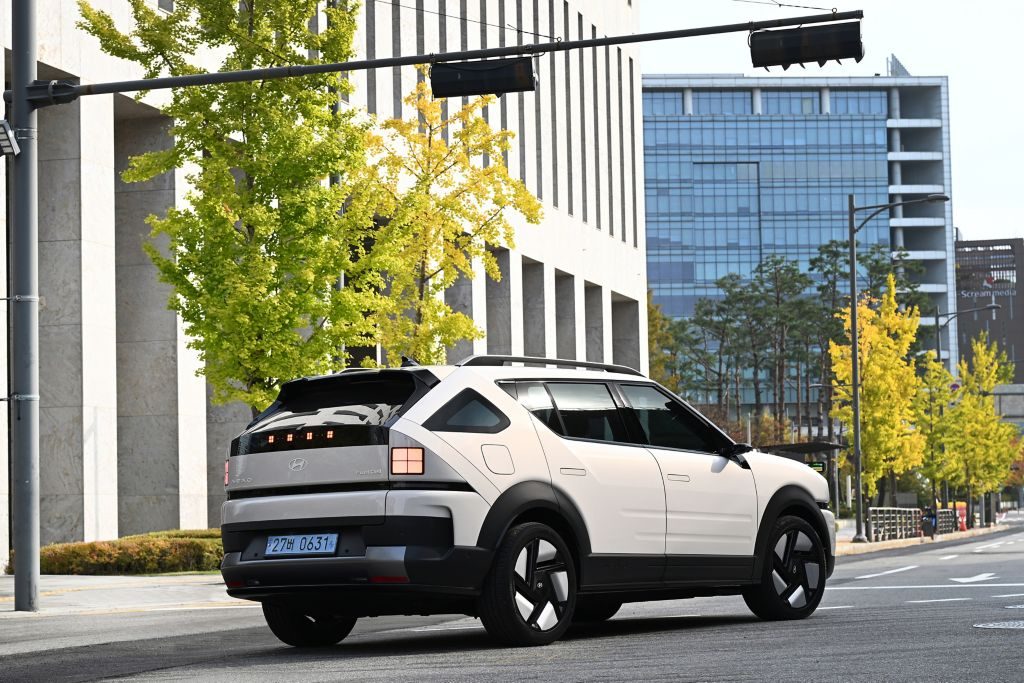
Real-world compromises for hydrogen use
The title number has a range of over 650 km. This is a huge improvement. Refueling only takes a few minutes. Compare to plug-in crowd. It may take dozens of minutes to charge the battery from 5% to 100%. This gives electric vehicles a structural disadvantage in long-distance or high-intensity use situations where time is money.
The Hyundai Nexo maintains the advantages of classic hydrogen. It is very quiet. It emits zero tailpipe pollutants. The performance remains constant regardless of the outside temperature. Batteries are afraid of the cold. Hydrogen cells have no such unique weaknesses.
Safety assessment and infrastructure bottlenecks
Hyundai focuses on improving safety. The second generation Nexo received a maximum of five stars in the Euro NCAP crash test. The data confirms that hydrogen powertrains can meet the same stringent modern standards as other engine types.
But there is a big hurdle. Adoption. In France and the rest of Europe, the network of hydrogen filling stations is still small. This limits the buyer pool. Mainly for institutional buyers. Fleet operators. People who need technology but can’t access a pump.
Hyundai is not trying to move volume numbers with the second generation Nexo. They making a technological statement. The message is simple. When the battery-only narrative gets loud, hydrogen hasn’t said its last word. It just swims upstream.