


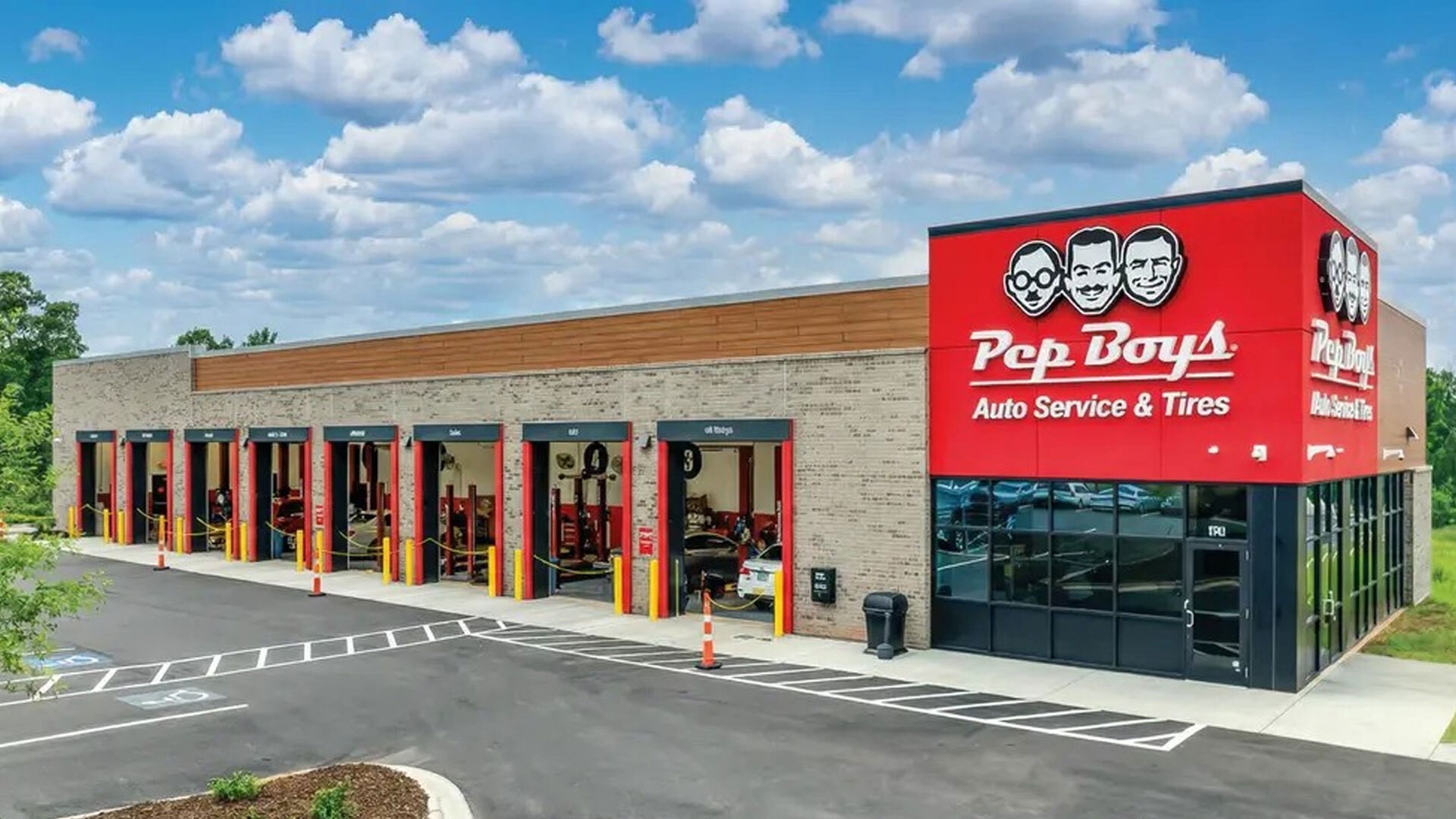
The automotive aftermarket is shaking up again. Mavis Tire is snapping up Pep Boys from Icahn Enterprises. The price tag? Roughly $700 million in cold, hard cash.
This isn’t just a transfer of ownership. It’s a strategic reshape of who fixes your car and where they fix it. Icahn Enterprises is keeping the real estate, along with two other heavy hitters: AAMCO Transmissions and Precision Tune. So, Mavis gets the Pep Boys name, locations, and parts. Icahn keeps the physical land and some other service chains. It’s a messy but effective deal.
Mavis expands rapidly. They now operate over 4,400 centers across the U.S. and Canada. Before this, they had a strong eastern footprint. Pep Boys brings a heavy western presence. The mix changes the game for regional drivers.
Why Mavis Bought Pep Boys
David Sorbaro, Mavis co-CEO, called Pep Boys “one of the most well-respected names.” Respect doesn’t pay for tires. But a loyal customer base does. Pep Boys has nearly 800 shops. They sell batteries. They change oil. They handle repairs. The supply chain gets a boost. It’s nationwide coverage now, not just regional.
Icahn bought the chain back in 2016. They paid about $1 billion. Selling for $700 million sounds like a loss. Numbers don’t tell the whole story, though. Icahn held onto the real estate. That’s a huge asset. They also kept AAMCO and Precision Tune. Those brands still exist under Icahn. So, it’s not a total divestiture of assets. It’s a restructuring. Mavis gets the service centers. Icahn keeps the infrastructure and other brands.
O’Reilly Eyes NAPA
While Pep Boys changes hands, O’Reilly Auto Parts is circling another giant. Bloomberg reports O’Reilly offered $10 billion for the NAPA Auto Parts division. This would give them the rival parts distributor Genuine Parts Company (GPC) uses.
It’s a massive bet. $10 billion is a lot of money for parts distribution. If it goes through, O’Reilly dominates the shelf space. But GPC didn’t confirm the bid. Their CEO, Will Stengel, stayed vague. He talked about “dynamic global environments” and planned separations by 2027. Separation is coming. When and how much? That’s the open question.
GPC’s latest earnings tell a mixed story. Sales jumped 6% to $6.54 billion. Revenue is up. Profitability? Not so much. Net income dropped from $255 million down to $228 million. Margins are getting squeezed. Is it tariffs? Supply chain costs? Maybe both. The report mentioned exploding repair costs earlier, but didn’t pin it all on trade policies. Just “exploding.”
The Bigger Picture
We’re seeing a consolidation wave. Fewer big players. More power in the hands of those who control the supply chain. Mavis just got bigger. O’Reilly might get bigger still. What happens to the independent shop owner? They’re caught in the middle. Prices might stay high. Selection could narrow.
Icahn exited Pep Boys. But they’re still in the game with AAMCO. The real estate play is smart. You own the land, you survive the turnover. Mavis owns the service promise now. Can they deliver on it? With 4,400 locations, scale is on their side. Execution is the real test.
O’Reilly’s bid for NAPA looms larger. If that deal happens, the parts landscape looks completely different. NAPA is everywhere. O’Reilly would control a significant chunk of the aftermarket pipeline. Genuine Parts is preparing for a split in 2027 regardless of the bid. So, the parts division will go up for sale anyway. O’Reilly just wants it first.
Who wins here? Consumers might get fewer options. Chains get bigger. Independent mechanics might struggle with parts availability or pricing. It’s a slow grind toward monopoly in some sectors. We’re already seeing it in repair costs.
Does this mean better service? Or just higher bills for less choice


