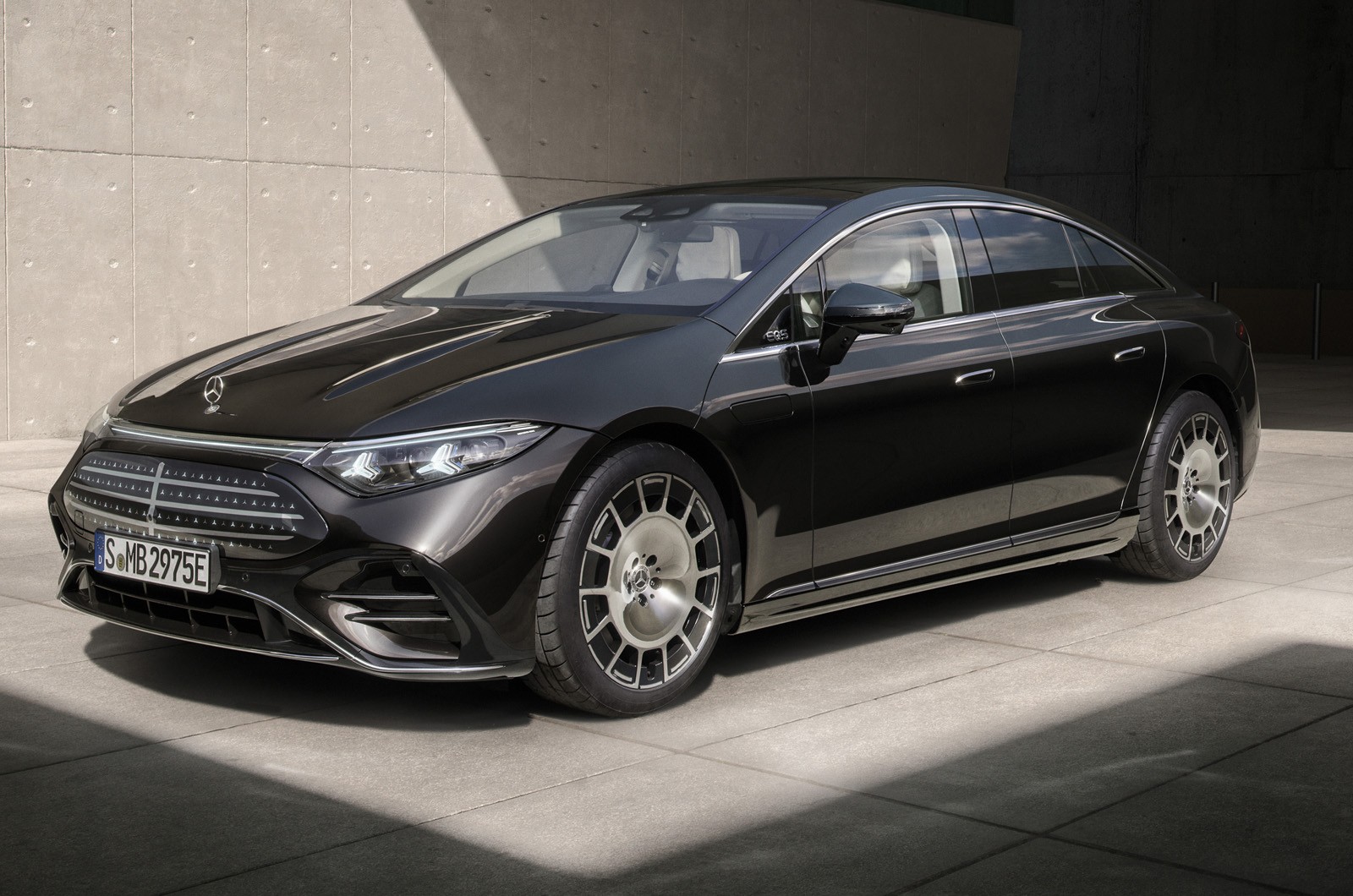
Mercedes-Benz has unveiled a significant update for its flagship electric sedan, the EQS, aiming to solidify its position in the luxury EV market. The 2026 model introduces substantial improvements in battery efficiency, charging speeds, and driving dynamics, directly targeting high-end competitors like the BMW i7 and the Lucid Air.
Breaking the 500-Mile Barrier
The most headline-grabbing update is the dramatic extension of the vehicle’s range. Through a combination of improved battery chemistry and refined efficiency, Mercedes has pushed the EQS into a new tier of long-distance capability.
- Increased Energy Density: By optimizing the battery chemistry, Mercedes has increased energy content by 3%. This raises the total capacity from 118kWh to 122kWh without increasing the physical size or weight of the battery pack.
- Range Milestones:
- The rear-wheel-drive EQS 450+ now boasts an official range of 575 miles (a 13% increase).
- The dual-motor variant has seen its range boosted to 544 miles.
This puts the EQS in direct competition with the Lucid Air Grand Touring, which currently holds the title for the longest range in Europe.
Faster Charging via 800V Architecture
A critical bottleneck for many electric vehicles is the time spent at a charging station. Mercedes has addressed this by transitioning the EQS from a 400V electrical architecture to a much more advanced 800V system.
This shift is a game-changer for long-distance travel. The maximum charging speed has jumped from 200kW to 350kW, allowing the vehicle to take full advantage of high-speed public charging infrastructure. For users on older 400V networks, the system is designed to “virtually divide” the battery, allowing it to charge both halves simultaneously at 175kW to maintain efficiency.
Next-Generation Driving Dynamics
Beyond raw numbers, the 2026 EQS introduces several high-tech features designed to improve how the car handles and interacts with its environment:
Steer-by-Wire and the Yoke Design
In a move toward more futuristic cabin design, Mercedes has introduced an optional steer-by-wire system. By replacing the traditional mechanical steering column with a virtual electronic linkage, the manufacturer saves both weight and interior space. This technology enables a much tighter steering ratio—reducing the lock-to-lock range to just 270 degrees—and replaces the traditional steering wheel with a yoke.
Intelligent Suspension and Efficiency
- Cloud-Connected Suspension: The upgraded Airmatic air suspension now utilizes cloud data to “see” the road ahead, preemptively adjusting dampers to handle potholes and speed bumps before the car even hits them.
- Advanced Motors: The new electric motors are more compact and robust, featuring a 33% improvement in energy recuperation (regenerative braking), which can capture up to 385kW during deceleration.
- Aerodynamic Refinements: The front end has been resculpted to reduce drag, while the new LED headlights provide a 40% wider field of vision while consuming 50% less energy.
Why This Matters
The luxury EV market is moving away from “range anxiety” and toward “performance and convenience.” By upgrading to an 800V architecture and significantly boosting range, Mercedes is addressing the two primary concerns of premium EV buyers: how far they can go and how quickly they can get back on the road.
The updated EQS represents a shift from simply being “electric” to being a highly optimized, software-driven luxury machine that competes on technical sophistication as much as on battery capacity.
Conclusion
The 2026 Mercedes EQS combines a massive 575-mile range with ultra-fast 350kW charging and advanced steer-by-wire technology. These updates transform the flagship sedan into a highly competitive contender in the rapidly evolving luxury electric vehicle landscape.