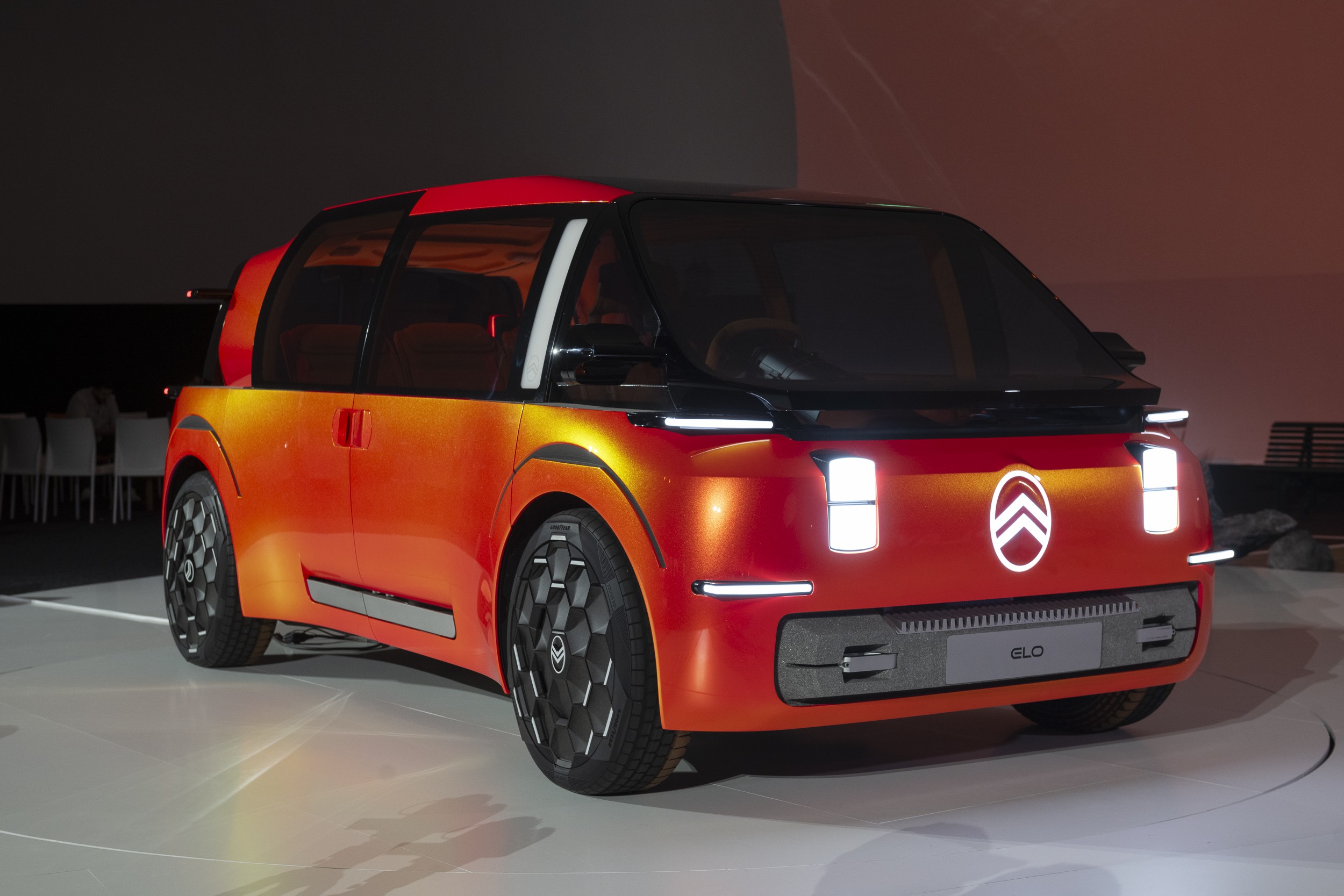
Citroën is doubling down on its identity to survive an increasingly crowded European automotive market. As Chinese manufacturers rapidly expand their footprint across the continent, the French automaker is adopting a two-pronged strategy: leveraging its century-old heritage to build brand loyalty while adopting the rapid development cycles pioneered by its new competitors.
The Competitive Landscape: A New Wave of Rivals
The European automotive market is undergoing a structural shift. Citroën finds itself in a particularly vulnerable position because its core business model—offering value-driven, SUV-centric vehicles—overlaps directly with the strengths of emerging Chinese brands.
Newcomers such as Omoda, Jaecoo, Geely, and Changan are entering the market with highly competitive electric and plug-in hybrid models. This follows a historical pattern of market disruption that Citroën has seen before:
– The Japanese expansion (pioneering reliability and efficiency).
– The South Korean surge (focusing on design and technology).
– The current Chinese influx (leveraging scale and rapid electrification).
Defying the Trend: Growth Amidst Competition
Despite the rising influence of these new players, Citroën’s recent performance suggests it is successfully holding its ground. According to CEO Xavier Chardon, the brand’s sales figures for the first quarter of 2026 tell a story of resilience:
- Global Sales: Up 10% (190,000 units).
- UK Market: A massive 118% increase.
- European Market: Up 12% year-to-date.
While Chardon acknowledges the “amazing breakthrough” of brands like Chery’s Omoda in the UK, he maintains that these newcomers are not stalling Citroën’s momentum. Instead, he views the competition as a catalyst to push the brand out of its “comfort zone.”
The Citroën Strategy: “Clever and Caring”
Rather than attempting to win a “tech war” by cramming every vehicle with excessive digital features, Citroën is carving out a distinct niche based on two core pillars:
1. Heritage and Localized Engineering
With 107 years of European history, Citroën intends to use its legacy as a differentiator. Unlike new entrants that must build brand trust from scratch, Citroën is leaning into its established reputation. The brand is also focusing on engineering cars specifically tailored to the preferences and practical needs of European drivers, rather than offering a “one size fits all” global product.
2. Refined Simplicity
In an era where many manufacturers are competing to see who can install the most screens, Citroën is taking a different path. Chardon describes the brand’s philosophy as being “clever and caring.”
“I do not believe that each and every customer is looking for more and more technology. That’s why, in the current Citroëns and in the future models, you won’t see multiple screens everywhere.”
By focusing on intuitive usability rather than digital excess, Citroën aims to appeal to customers who prioritize comfort and ease of use over high-tech gimmicks.
Conclusion
Citroën is navigating the rise of Chinese automotive giants by choosing personality over pure technical specs. By blending its historical identity with a more agile approach to development, the brand aims to prove that in a market saturated with technology, human-centric design remains a powerful competitive advantage.