Renault is entering a new phase of its “Renaulution” strategy. After a period of rapid-fire launches, the French manufacturer is shifting its focus toward refreshing its existing electric lineup. Following recent sightings of a testing Renault Megane E-Tech, the company’s attention has now turned to its fifth-generation Renault Scenic.
Visual Updates and Design Language
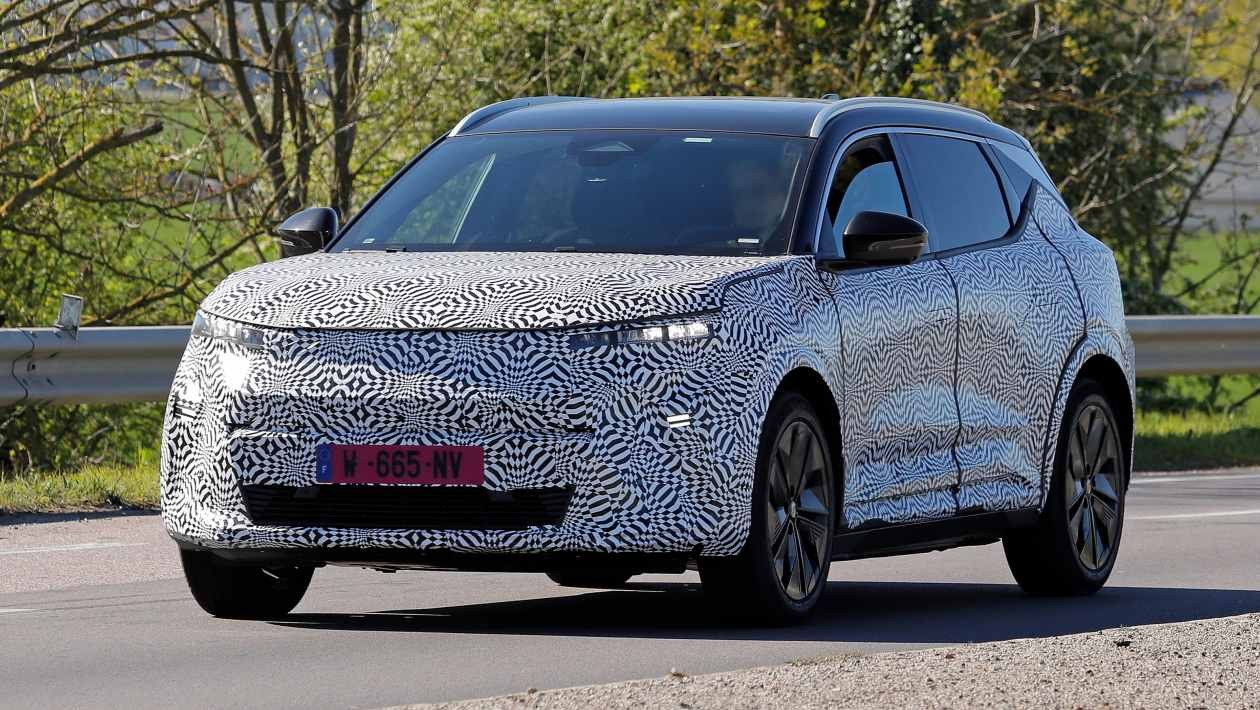
Recent sightings of a camouflaged test vehicle suggest that the upcoming Scenic update will be a “facelift” rather than a complete redesign. While the heavy camouflage hides specific details, several key aesthetic changes are anticipated:
– New front and rear bumpers to modernize the vehicle’s silhouette.
– Subtle tweaks to lighting signatures, specifically the headlights and rear lamps.
Unlike the recent Renault 5 and Renault 4, which lean into a “retro-futuristic” aesthetic, the Scenic maintains a more contemporary, MPV-inspired design. These updates aim to keep the model looking fresh without abandoning its practical roots.
The Technical Shift: LFP Battery Technology
While the visual changes may be mild, the most significant developments are happening under the skin. Currently, the Scenic E-Tech relies on an 87kWh Nickel Manganese Cobalt (NMC) battery. However, Renault is moving toward a different technological standard.
The brand has been developing Lithium Iron Phosphate (LFP) cells in Europe—a technology already slated for the upcoming Megane and the new Twingo. This shift is crucial for two reasons:
1. Cost Efficiency: LFP batteries are generally cheaper to produce, which could lead to a more competitive entry price for the Scenic, potentially lowering its current £33,245 starting point.
2. Range and Durability: The industry is watching closely to see if this new chemistry can match or exceed the current maximum range of 381 miles.
While the drivetrain is expected to remain front-wheel drive, there is speculation regarding whether Renault will introduce a new electric motor configuration to complement the updated battery technology.
Strategic Context: The “Two-Legged” Approach
This update is part of a much larger roadmap. Renault plans to launch 36 different products—including cars and vans—globally by 2030.
The Scenic’s evolution reflects Renault’s broader market strategy in the UK. Rather than betting solely on full electrification, the company is adopting a “two-legged” approach. By offering parallel ranges of both hybrid and fully electric models, Renault aims to remain resilient regardless of how quickly consumers adopt EV technology.
This strategy allows Renault to capture the traditional hybrid market while simultaneously building the infrastructure and consumer trust necessary for a fully electric future.
Timeline and Availability
Given the current development schedule—with the refreshed Megane not expected until late 2026—the updated Renault Scenic is likely not to arrive on UK roads until 2027.
In summary, the upcoming Scenic refresh focuses on bringing more affordable LFP battery technology to a popular electric model, helping Renault maintain its competitive edge during a volatile transition to electric mobility.