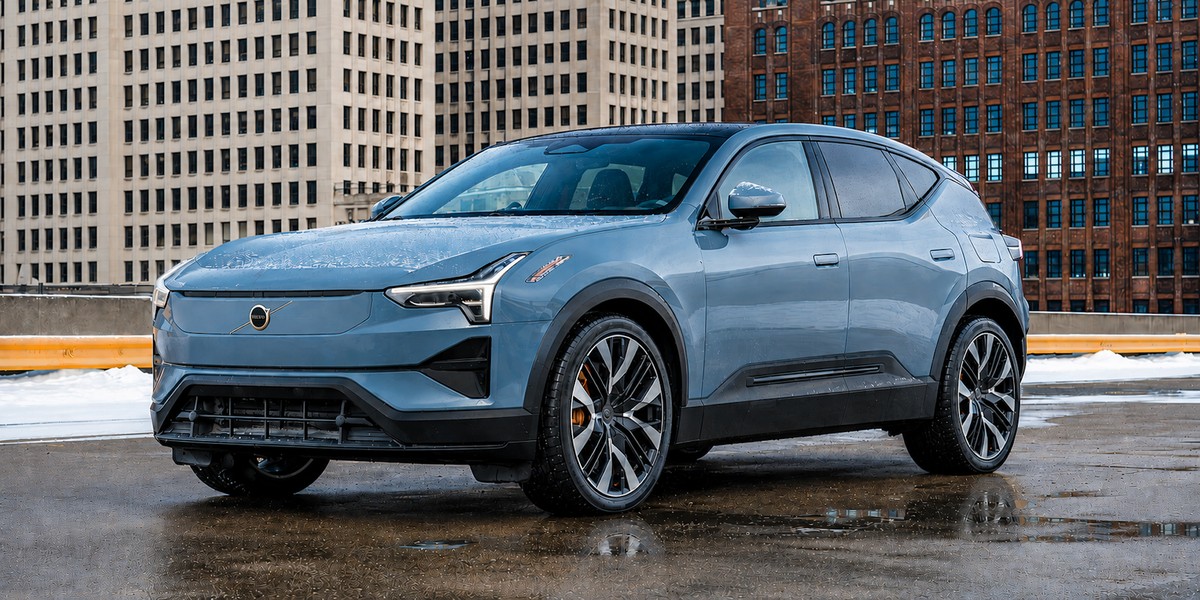
The 2027 Polestar 3 is gone. Banned. The federal government denied the Connected Vehicle waiver needed to sell it here in the U.S.
But here is the thing.
The car rolls off the line in South Carolina. Same factory as the Volvo EX90. Same Geely owner.
So why let a good chassis die just because of a sticker?
Polestar and the Department of Commerce aren’t talking to Car and Driver yet. Silence, basically. Which leaves room for suspicion. Did the Chinese-owned brand see this coming? I doubt it. Or I want to hope they didn’t.
Think about the logistics.
Consolidating global production for the Polestar 3 entirely to Ridgeville, South Carolina was a massive move. A risky one. If leadership knew a waiver was denied, sending everything to one factory without U.S. approval is not strategy. It is madness.
Which suggests surprise. Real surprise.
And that leads to an interesting path forward.
Volvo already has the waiver. They have clearance to sell their stuff here. The EX90 shares the South Carolina assembly line. It shares hardware. Software. DNA.
In theory, Volvo could just slap its badge on the car.
Suddenly the “Polestar 3” becomes the Volvo P3.
Why? Simple. Keep the factory humming at capacity. Help a sister brand avoid a financial bleeding of consolidating production elsewhere again.
Is it legal? Probably.
The government didn’t ban Volvo for sharing tech with Polestar’s siblings. The issue seems to be with Polestar’s standalone stack, the stuff on the Korea-built 4. The 3? The software apparently isn’t the security threat the feds claimed.
If this swap happens, it would be cheap. Quick.
We’re looking at 2028.
Take the Polestar logos. Add a distinct plastic frame around the front camera to differentiate it. Done.
Most people won’t care about the software backend. They want the car. The jobs at the Ridgeville plant matter too. And choice in the EV market matters more every day.
Of course, this might be total fiction.
The Polestar 3 might never wear a Volvo crest in America. In that case, production leaves South Carolina. Workers look for new gigs. The factory runs lighter.
I hope my theory is right.
Not sure if it is though.