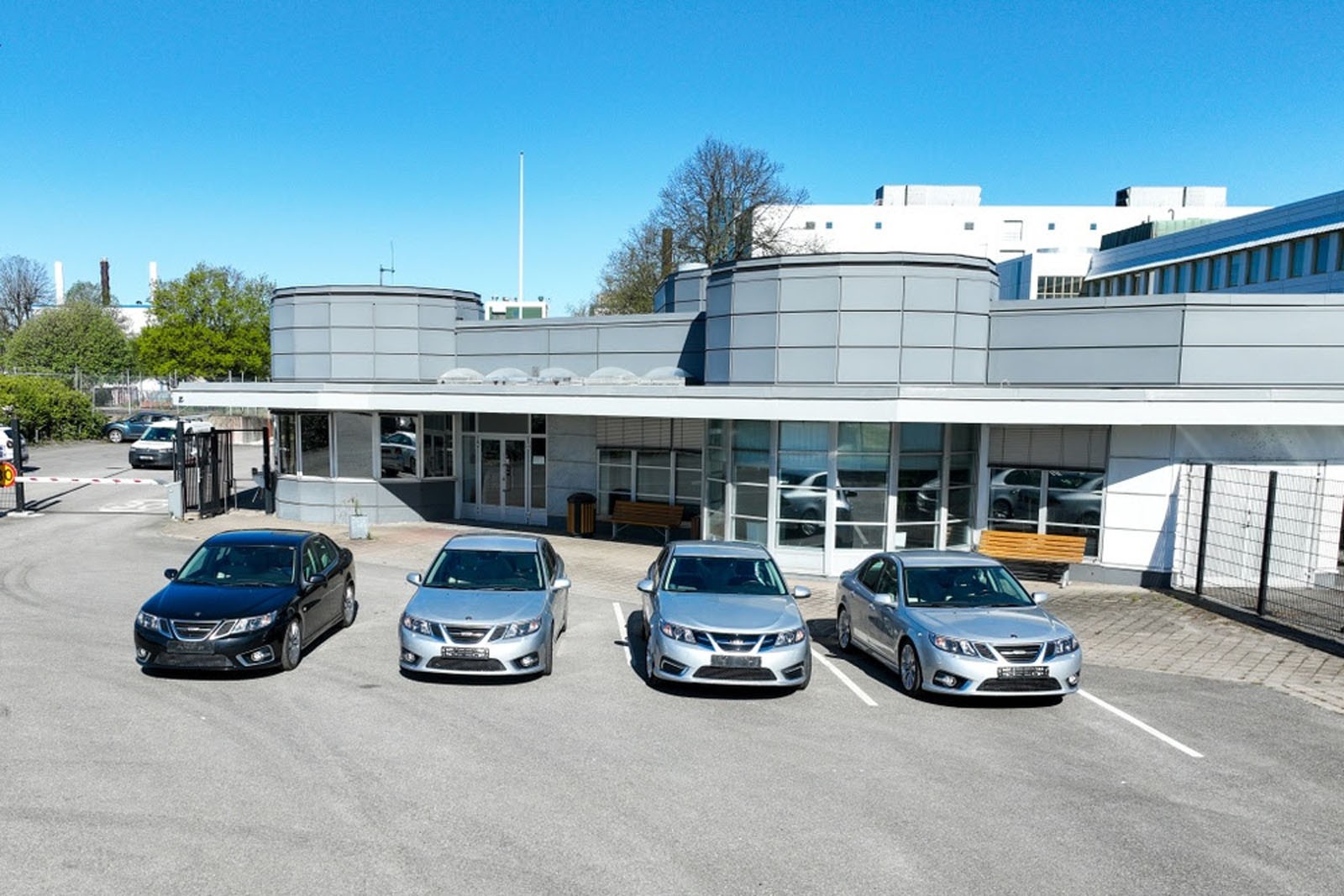
The historic automotive hub of Trollhättan, Sweden, is preparing for a poignant finale. The last remaining vehicles from the defunct Saab lineage are going up for auction, marking the definitive end of the National Electric Vehicle Sweden (NEVS) project and the physical presence of Saab’s manufacturing legacy at its original home.
This sale is not merely a liquidation of assets; it is a symbolic closing chapter for a brand that once defined Swedish engineering independence. For enthusiasts and historians, these vehicles represent the final tangible link to a complex era of revival attempts, foreign investment, and ultimate collapse.
The Rise and Fall of NEVS
Following the bankruptcy of Saab Automobile in 2012, the Trollhättan plant remained dormant until the formation of NEVS. This startup was staffed primarily by former Saab engineers and backed by Chinese real estate conglomerate Evergrande Group. The vision was ambitious: to transform the historic facility into a center for autonomous and electric vehicle production.
The project produced several notable concepts, most prominently the Emily GT. This striking saloon evoked classic Saab styling cues while incorporating modern technology, including in-wheel motors. In April 2023, Emily GT program director Peter Dahl indicated that the vehicle was approximately 18 months away from production readiness.
However, the geopolitical and economic landscape shifted dramatically. Evergrande’s financial collapse in 2021 severed NEVS’ primary funding source. By February 2023, the situation had deteriorated to the point where NEVS laid off 320 of its 340 employees at the Trollhättan site.
Broken Promises and Partial Transitions
For a brief period, hope remained. In December 2023, it appeared that Canadian startup Electra EV had secured a deal to rescue the Emily GT program. Unfortunately, this partnership collapsed in May 2024, leaving the project without a viable path forward.
While the NEVS brand faded, the physical infrastructure saw a partial transition. Polestar, Volvo’s performance subsidiary, moved into a portion of the Trollhättan plant in 2023. However, Polestar utilizes the facility strictly as a research and development center, not for mass production. This distinction highlights the shift from Trollhättan as a manufacturing powerhouse to a specialized engineering hub.
The Final Assets: What Is Up for Grabs?
The upcoming auction, hosted by the Swedish platform Klaravik, offers collectors and historians a rare opportunity to acquire pieces of this automotive history. The sale includes eight vehicles, all offered without reserve :
- Seven Saab 9-3 Models:
- Three pre-production units built in 2014.
- Three electric prototypes developed by NEVS prior to the launch of the 9-3 EV in China.
- One test vehicle equipped with a range-extender hybrid powertrain.
- One Hengchi 5: A mid-size electric SUV produced under the Evergrande brand.
In addition to the vehicles, a previous auction in September 2025 cleared out thousands of rare parts, scale models, and archival motor show banners. This final vehicle sale represents the last significant inventory leaving the premises.
Why This Matters
This auction signals more than just the sale of old cars; it reflects broader trends in the global automotive industry. The failure of NEVS underscores the risks associated with relying on non-automotive conglomerates for capital in the high-stakes world of EV development. It also illustrates the difficulty of reviving legacy brands in an era where software and battery technology are becoming more critical than traditional mechanical engineering heritage.
**The sale marks the end of an era for the storied center, opened in 194