


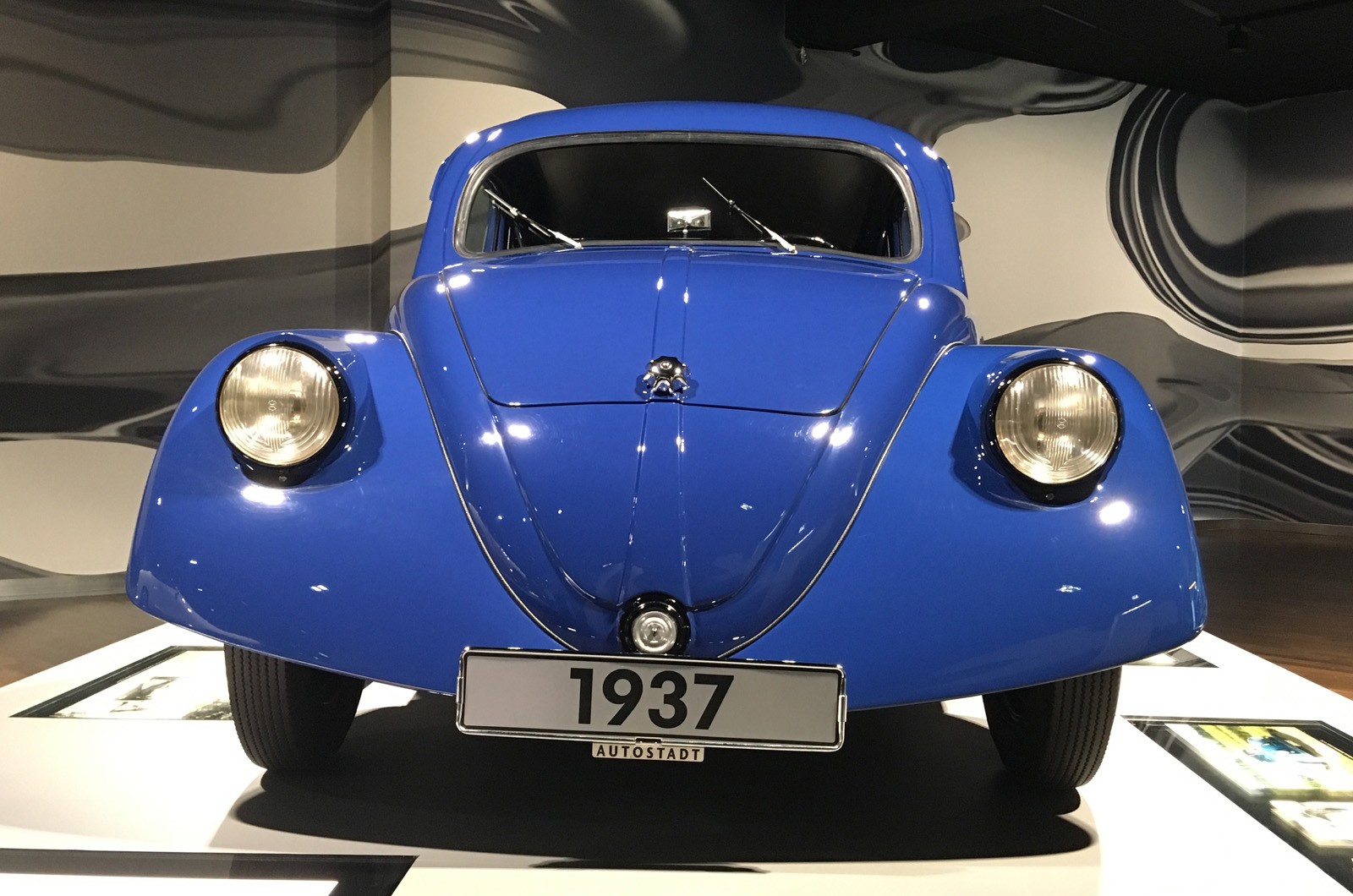
Most people associate Volkswagen with the Beetle and the Golf. But head to Wolfsburg, Germany, and you’ll find a different story.
Autostadt.
It sounds like a slogan. It isn’t. It’s a 70-acre theme park for cars, sitting right in the shadow of the main factory. If you like wheels, this is the place to be. Seven pavilions. GroupForum. The Zeithaus museum. Two million visitors a year don’t just come to look. They come to feel the metal, smell the leather, and drive.
And it’s not just VW.
That’s the kicker. The collection is wildly eclectic. You walk through the gates expecting German engineering, pure and simple. Then you see the oddities. The bubble cars. The pre-war marvels. It’s a chaotic, beautiful timeline of how we learned to move ourselves around the planet.
Where to Start: The GroupForum and Pavilions
Opened in May 2000, the layout is intuitive. You start at the GroupForum entrance. From there, it’s a tour of the brands. Each Volkswagen Group label has its own pavilion. But the real soul of Autostadt lies in the exhibits.
You can walk through decades of automotive culture. It’s not just about specs. It’s about impact. Why did this car matter? How did it change the way we live?
The site is designed for immersion. You don’t just read a plaque. You get in the driver’s seat. You try the technology. It’s interactive in a way that makes static museums feel dusty by comparison.
The Bubble Car That Flew in the Past
Not every vehicle on display has four wheels. Take the Messerschmitt KR200.
It’s a three-wheeler. A bubble car. It looks like something out of a sci-fi comic from the late 1950s. The history here is darkly pragmatic. Messerschmitt built aircraft. Then, after World War II, they weren’t allowed to. So, they built microcars.
It was survival.
When the restrictions lifted and planes came back into production, the company sold the design rights. FMR took over and kept making these quirky little pods until 1964. It’s a fascinating slice of industrial history. A company forced to adapt or die, turning military technology into personal mobility.
The Longest Production Line in History
You can’t talk about Volkswagen without the Beetle.
In the Zeithaus, the contrast is stark. On one side: a 1938 Beetle. On the other: the very last one, produced in Mexico in 2003.
Sixty-five years.
That is an absurdly long time for any single car design to stay in production. It’s the longest run for any single model in history. The 1938 version shows the origins. The 2003 model shows the endurance.
The last one didn’t leave because people stopped wanting them. It left because of emissions rules. It was no longer legal to sell new cars like that in many markets. A sad ending for an icon, but a testament to how well-engineered it was to last.
The Van That Defined a Generation
Then there’s the Type 2.
You might know it as the Transporter. Or the Kombi. Or the Microbus. Most Americans call it the Camper Van. Introduced in 1950, it became a cultural staple.
Autostadt features a specific 1950 variant. But it’s painted for Sinalco, a German soft drink.
Here’s a pub fact that sounds made up but is true. Sinalco is short for sine alcohol, Latin for “without alcohol.” It was invented in 1902. It’s still a top-seller in Germany. The van promotes a brand that understands its market better than most carmakers.
Volkswagen is bringing back the spirit of this van with the electric ID Buzz. But looking at that vintage 1950 model, you see why it never really left our imagination. It wasn’t just a vehicle. It was freedom.
Other Curiosities
The glass boxes protecting the classics aren’t empty.
A 1989 Benz Velo Convertible sits quietly nearby. Karl Benz, the pioneer who started it all, designed this in 1899. It’s a reminder that before Volkswagen existed, there were already people trying to motorize the horseless carriage.
A 1970 VW 411 LE adds to the mix. A luxury sedan of its era. It’s easy to forget that VW used to make “proper” sedans before they leaned so heavily into hatchbacks and SUVs.
And don’t miss the Porsche 911 parked in the open. Classic. Timeless.
The Takeaway
Autostadt isn’t a corporate show-and-tell. It’s a celebration.
Yes, it’s owned by the same company that makes your family SUV. But the collection respects the weird, the failed, and the historic just as much as the profitable.
You walk in expecting to see Volkswagens. You walk out remembering that mobility is messy, experimental, and endlessly interesting.
The next


