シボレー インパラは単なる車ではありません。 これは 60 年以上にわたるアメリカの自動車の歴史の年表です。 このバッジは、マッスルカー時代の崩壊、石油危機、セダンの台頭の中でも生き残りました。 なぜネームプレートは同様の製品よりも数十年も長持ちするのでしょうか?答えは、販売が低迷するたびにシボレーがインパラとは何かをどのように再定義するかにあります。
1958: The birth of an icon
It started in 1958 as a trim level and not as an independent model. Chevrolet Bel Air Impala is the top version of the Bel Air. It’s Chevrolet’s way of presenting itself. More chrome. More everything.
1958 Chevrolet Bel Air Impala The first year there was one body style: a two-door hardtop. But it has a unique difference. This was the only full-size Chevrolet vehicle offered in convertible form in 1958. This chrome design set the tone for the next decade. It wasn’t just transportation. It was status.
個人的な贅沢な変革
1960 年代半ばまでに、市場は変化しました。 購入者はオリジナルのスタイルではなく、快適さを求めています。 シボレーは、新しい階層を作成することで対応しました。 1966 、シボレー カプリス が導入されました。 インパラボディをベースにした豪華なフルサイズ高級モデルです。
この動きによりThe Impala was pushed down the ladder. その後 10 年間、インパラはカプリスのすぐ下にランクされました。 超高級モデルのカプリスに比べて、よりスポーティで少し安価な兄弟車です。 銘板は消えていない。 It just changed roles. フルサイズラインナップの中でパフォーマンス重視の選択肢となります。
1976: 銘板が再び再発明される
1970 年代半ばまでに、大型車のサイズは縮小していました。 燃費はクロームバンパーよりも重要です。 1976 年、シボレーは直観に反する行動をとりました。 彼らはインパラから「トップ」の地位を剥奪し、エントリーレベルのフルサイズモデルにした。
カプリスは依然として高級フラッグシップです。 モンテカルロは個人的な贅沢の領域を占めています。 インパラがベースモデルとなった。 これは現実的な動きです。 予算を重視する購入者は、豪華な装飾品にお金を払わずに大型シボレーを購入できるようになりました。 名前は威信を失いましたが、紋章には残りました。
1994: Resurrection of the SS
The 1980s were difficult times for Impala. It is basically invisible. Then came 1994. Chevrolet has brought back the Impala SS (Super Sport). This wasn’t just a badge job. It’s a full-size muscle car powered by a Corvette.
The 1994 Chevrolet Impala SS is powered by the LT1 V8 engine from the C4 Corvette. It produced 260 horsepower. That’s a lot of power for a family sedan. By restoring the nameplate from the performance heritage that was lost in the 1970s and 1980s. The SS badge shows that the Impala is still relevant. It is very fast. It’s serious.
Why the Impala survived
The Impala’s adaptability makes it more durable than other nameplates. It started as a luxury trim. Then a performance model
The Birth of an Icon: Structure and Style
The 1958 Chevrolet Bel Air Impala wasn’t just a trim level. It was the new top-of-the-line Bel Air model, lavishly equipped and soft-riding. It arrived as a two-door Sport Coupe or a convertible. Nothing else in the lineup got the treatment.
From the windshield pillar back, the structure diverged from standard Chevrolets. Hardtops featured a slightly shorter greenhouse and a longer rear deck. This gave the impression of an extended body. Bright rocker moldings and dummy rear-fender scoops added to the visual weight. The roof itself was uniquely contoured with simulated extractor vents. The design inspiration came straight from Mercedes-Benz.
The rear end told a different story than the base models. Three taillights sat on each side. Lesser Chevrolets had two. Wagons had just one. Special crossed-flag insignias sat above the side moldings. These details signaled exclusivity.
Under the Hood and Inside the Cabin
Base pricing reflected the hardware. A six-cylinder engine started the Bel Air Impala at $2,586. A V-8 cost $2,693. Options pushed typical total prices far higher. Production numbers were significant. Chevrolet built 55,989 ragtops and 125,480 Sport Coupes. That accounted for 15 percent of total production. No other series included a convertible.
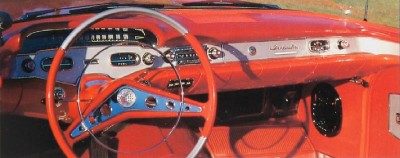
Inside, the cabin was stunning. A competition-inspired two-spoke steering wheel dominated the dash. Color-keyed door panels featured brushed aluminum trim. It felt like a race car for the street.
Engineering the “Safety Girder”
The Impala signaled Chevrolet’s entry into the mid-price field. It was introduced in a blaze of publicity. The design was less radical than originally planned. But the engineering was solid. Ads pushed its “quick, eager-to-please handling that lets you know you’re the boss.”
All Chevrolets shared a common foundation that year. Longer, lower, and wider became the theme. Full-coil suspension replaced the old rear leaf springs. A new “Safety Girder” X-type frame reduced the vehicle’s height. Headroom remained unaffected. This structural change improved stability without sacrificing space.
Engine options expanded the performance envelope. The 283-cubic-inch engine was now the standard V-8. Ratings ranged from 185 to 290 horsepower. Drivers who wanted more power had a new option. A big-block 348-cubic-inch Turbo-Thrust V-8 was available. It descended from a truck engine. Output varied from 250 to 315 horsepower.
Market Impact and Legacy
The 1958 Chevrolet Bel Air Impala helped Chevrolet regain the number one production spot. It did so by a wide margin. This happened in a recession year. Nearly all other makes lost sales. The Impala name became almost synonymous with Chevy. It started as an exclusive model. It ended as a legend.
1958 Chevrolet Bel Air Impala Facts
- Model: Bel Air Impala
- Weight range (lbs.): 3,458-3,523
- Price range (new): $2,586-$2,841
- Number built: 60,000 (approx.)
1959 Chevrolet Impala
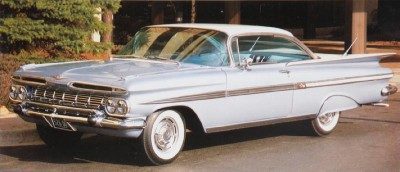
1959 Chevrolet Impala Design overhaul and dimensions
The 1959 Chevrolet Impala eliminated the excess styling elements of the era by completely changing its silhouette. Instead of the vertical tailfins of the late 50s, Chevrolet shot them outward outwards. Although the marketing team wanted to give each part of the chrome trim a nickname, these parts were never given official sales catalog nicknames. The “bat wing” fins and “cat’s eye” taillights later became famous. The brochures of that time simply called the rear deck “saucy”.
General Motors was pushing an economy strategy across all of its brands. The Impala shared its body with lower models from Buick, Oldsmobile and Pontiac. Despite this sharing, the Chevrolet’s wheelbase is 1.5 inches longer than the previous model. The new X-Frame supports a 3-inch lowered roofline. The body has grown over 2 inches. The bigger the car, the more it weighs. This is a trend. testing for Mechanix Illustrated, Tom McCahill noted its massive size and joked that the trunk lid had enough room to land a Piper Cub.
Impala is now its own series. It offers a 4-door hardtop sedan, a 2-door sports coupe and a convertible. The sport coupe has a shortened roof and wraparound rear window. This design promises “almost unlimited rear visibility”. It complemented the new compound-curve windshield. The hardtop sports sedan takes a different approach. It used a pillar-free rear window. This provides plenty of headroom under the slim “flying wing” roofline.
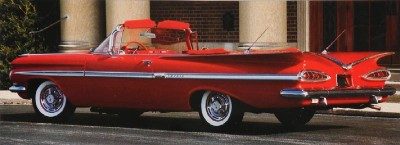
The 1959 model’s base engine remained a 283-cubic-inch V-8 that produced a modest 185 horsepower. If you need more power, you can specify the same smaller engine with up to 290 horsepower. For those who need serious power, the 348-cubic-inch big-block V-8 engine delivers a whopping 315 horsepower.
The prices correspond to the powertrain options. Impala convertibles with V8 engines start at $2,967. If you change your engine to a 6 cylinder, you will save $118. Internally, the Impala makes no apologies for its top-tier status. Front and rear armrests, an electric clock, double-sliding sun visors and a crank-type ventilation window are standard equipment. The dashboard is shaped by deep-set instruments tucked under hoods to eliminate glare. Comfort is not an afterthought either. The new Flexomatic 6-way power seat is available as an option.
1959 Chevrolet Impala Facts
- モデル: インパラ
- 重量範囲 (ポンド): 3,570-3,670
- 価格帯 (新品): $2,592-$2,967
- 製造数: 473,000 (概算)
1960 Chevrolet Impala
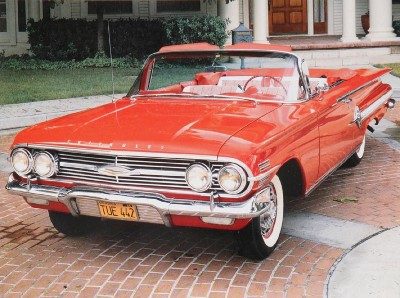
The Great Retreat: How the 1960 Impala Tamed the Tailfin Frenzy
Check out the current 1959 Chevrolet. The boldness of the tailfins is a selling point. For modern collectors, bigger fins are better. These were typical of the excess of the late 1950s. But in 1959 this was not the consensus. Stylists and marketers saw the writing on the wall. Chrome fin fashion is at its peak. It’s time to turn things around.
The 1960 Chevrolet Impala made this change and took a sharp turn toward conservatism. This is not a complete redesign. This is the fix.
The fins didn’t disappear overnight. For some, this is too radical. In fact, their attitude has softened. The 1960 model had a softer rear end. The striking silhouette of previous years has been replaced by an angular, tapered shape. This new profile is cleverly integrated into the quarter panel. Looks very stylish. It looks very modest.
Chevrolet has added three nicely sized round taillights on either side of the top-of-the-line Impala. A subtle touch. Reduces visual weight at the back. This marked the end of the savage era.
Viewed from the front, the change is even more dramatic. The aggressive air intakes above the headlights or the pointed grille that characterized the 1959 look have been completely eliminated. Gone.
By 1950s standards, the 1960 redesign was fairly quiet. Chevrolet promoted this new era with the slogan “Space – Spirit – Brilliance”. It’s very different from the radical style of 12 months ago.
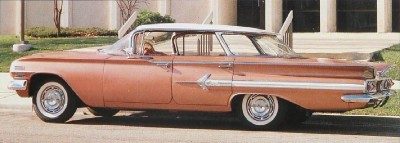
You could spot a ’60 Impala from a mile away. It was heavier on the chrome than a Bel Air or Biscayne, and that flash paid off. Chevy moved more than 490,000 of them. That wasn’t just luck. It was a mix of aggressive styling and a lineup that actually offered something for everyone.
The exterior was a study in excess. Nonfunctional air-intake scoops sat on the hood, purely for show. A white band wrapped around the rear fenders, adding a dash of two-tone flair to the monochrome paint jobs. Buyers had four choices: a hardtop Sport Sedan with those slim rear pillars and a massive panoramic back window, a two-door Sport Coupe, a four-door sedan, and the headline grabber—the convertible.
This was Chevy’s only full-size drop-top for the year. It led the price chart at $2,847. If you ticked the box for a V-8, that sticker jumped to $2,954.
Engine Options and the Death of Injection
Under the hood, the variety shrank slightly, but the V-8 options remained robust. You could pick from seven different ratings, split between the 283-cubic-inch and the big-block 348-cubic-inch engines.
For the top-tier buyers, there was the 348 Super Turbo-Thrust Special. This beast breathed through triple two-barrel carburetors. It ran on 11.25:1 compression and dual exhausts to squeeze out 335 horsepower. It was a serious piece of machinery. Other 348 variants dialed that power back down to anywhere between 250 and 320 horses.
The smaller 283-cubic-inch Turbo-Fire V-8 was also available in carbureted form, offering either 170 or 230 horsepower. But here is the catch, and it matters to enthusiasts who care about performance history: fuel injection was gone. For the first time in recent memory, you could not buy a fuel-injected 283 under a full-size Chevy hood. The high-tech option had been axed.
1960 Chevrolet Impala Facts
-
Model: Impala
-
Weight range (lbs.): 3,530-3,635
-
Price range (new): $2,590-$2,954
-
Number built: 490,000 (approx.)
1961 Chevrolet Impala
The mid-year change that defines a legend
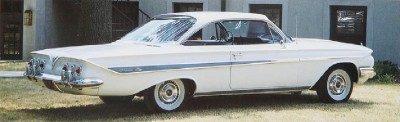
The 1961 Chevrolet Impala didn’t start out as an icon. It began as a standard full-size sedan that blended luxury and sportiness that most buyers barely noticed when the model was launched. Everything changed in the summer. Chevrolet dropped two midseason bombs. 1961 Chevrolet Impala Super Sport Option packages and an engine that would eventually make it into pop culture history. The legendary 409-cubic-inch V8 arrived at a memorable time for Brian Wilson and the Beach Boys, turning a mechanical spec into a cultural anthem.
At the time of its release, the SuperSport was priced at $5,380. Chevrolet touts it as a “very personal version” of the standard Impala body style. It’s more than just a sign. This is a hardware overhaul. Buyers get simulated wheel covers, heavy-duty suspension components with upgraded springs and shocks, and metal brake pads for improved stopping power. Inside the cockpit, it feels more focused. It has a padded dashboard and a Sun 7,000 rpm tachometer mounted directly on the steering column. The other passengers still sit in the seats, but they also have a purpose, with grab bar installed on the dashboard, a feature borrowed from the Corvette. The vehicle rides on 8×14 narrow-band whitewall tires and maintains a determined stance.
The SS package under the hood doesn’t force you into a single transmission. Choose from three versions of the 348-cubic-inch V8 engine, with outputs ranging from 305 to 350 horsepower. If you opt for the four-speed manual transmission, you get a unique floor-mounted shifter with a steeply curved lever, a detail that emphasizes the car’s driver-centric intent. A Powerglide automatic transmission is also available, but is limited to the mildest engine output.
However, the real excitement is in the big block. Only a few of these cars are equipped with excellent engines. Only 453 Impalas were ordered with the super sports option, and most of them were sports coupes. What is even more unique is the fact that 142 units were built with the huge 409-cubic-inch engine. At the time, this power plant was exclusive to the Impala, and it generated 360 horse power and 409 pound-feet of torque through its unique dual-snorkel air cleaner.
Why the 409 is important in the SS series
Understanding the rarity of the 1961 Chevrolet Impala SS 409 explains why these cars are so highly valued today. The SS package itself is a niche product, but when paired with a premium engine, it becomes extremely rare. While the 348 V8 option was certainly powerful, it lacked the inherent character of the 409. The dual snorkel air purifier isn’t just for show. Provides the big block with the air it needs to produce up to 360 horsepower.
For enthusiasts looking to identify or restore one of these period wonders, details matter. A steering column tachometer, grab bar and certain suspension upgrades are hallmarks of a true Supersport package. but
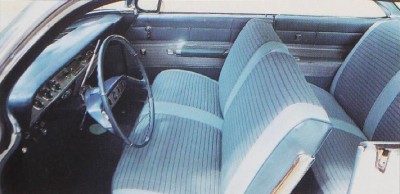
The SS badge is more than just a sticker. This is the promise for buyers who want a full-size luxury sports car. Put a 409 cubic-inch V8 behind the wheels, and combined with a 4.56:1 rear axle ratio, you have a machine that hits the 60 mph mark in just 7 seconds. That’s serious acceleration for a car that weighs nearly two tons.
Chevrolet offered three different rooflines that year. The Sport-coupe stands out from the crowd with gently sloping front pillars and a generous amount of glass. It looks fast in place too. But let’s face it. Impala isn’t shy about showing itself off. The bodywork has crinkled sides, tapered moldings and a sculptured rear decks. They feature luxurious wheels and wide body side moldings with contrasting insert panels. That’s a lot of visual noise. Some might call it a gaudy. Others call it great.
Chevrolet’s marketing team doesn’t mince words. They declared the Impala “the best car in its segment.” Sales back up this hype. The production volume was approximately 491,000 units. This figure is almost the same as the total figure for 1960. Of this amount, 64,600 convertibles were sold. The large car market is stable. What people buy is elegance. They are buying the go.
1961 Chevrolet Impala Specifications
- Model: Impala
- Weight range (lbs.): 3,440-3,605
- Price range (new): $2,536-$2,954
- Number built: 491,000 (approx.)
1962 シボレー ビスケーン、ベル エア、Impala
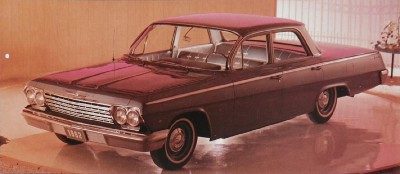
1962 Chevrolet Full-Size Restyling
In 1962, the full-size Chevrolet Biscayne, Bel Air, and Impala received clean, angular redesigns. They were a bit bulkier than before, featured a trailing body creaseline and looks sharper. Advertisements featuring the full-size Chevrolet in airports carry the “Jet-smooth Chevrolet” theme, praising its “room, zoom and smooth ride” as well as its new smooth styling.
The Impala continues its role as a luxury Chevrolet with a full-length upper bodyside moldings with contrasting inserts. It also features grooved body sills, a stainless steel window trim and special rear-fender script. Each Impala model has its own unique roofline. The slim-pillar four-door sedan is one example. Sport coupes has convertible-like creases. New inner fenders prevent rust.
Impala production was 704,900 units. This surpassed the Bel Air slim sedan’s 365,000 units and the Biscayne sedan’s 160,000 units. The latter, although minimally trimmed, was praised for its “beautiful simplicity”.
This year, full-size models can now be equipped with a large 409-cubic-inch V-8 engine. It’s not just for Super Sport anymore. Engines are available with 380 or 409 horsepower. The 409 horsepower version breathed through two four-barrel carburetors. Its less-potent mate made do with a single carb. Both have solid lifters and dual exhausts. The compression ratio is 11.0:1. Enthusiasts can also order a lightweight aluminum front body panels.
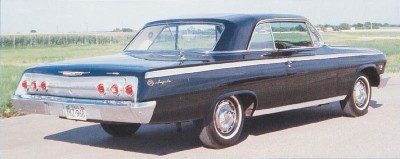
A big piece is gone. Chevrolet has dropped the 348cc V8 model from the lineup and downsized to a 327cc model with either 250 or 300 horsepower. Underneath is the 283-cubic-inch V-8, but it’s stripped down in one style: the standard 170-horsepower V-8 engine.
The Super Sport is more like a $156 equipment package for the Impala sport coupe or convertible than a performance package. It can be installed on anything, including 6-cylinder Hi-Thrift engines. That extra cash gets you front seats upholstered in “Leather Soft” vinyl and aluminum wheels, a passenger grab bar, a console with a locking compartment, aluminum inserts, and replica-style wheel covers. If you’re a keen driver, you can add sintered metal brake pads, heavy-duty springs and shocks, 8×14 tires and a tachometer.
1962 シボレー ビスケーン、ベル エア、インパラの事実
- モデル: ビスケーン
- 重量範囲 (ポンド): 3,400-3,845
- 価格帯 (新品): $2,324-$2,832
-
製造数: 160,000 (およそ)
-
モデル: ベレア
- 重量範囲 (ポンド): 3,405-3,890
- 価格帯 (新品): $2,456-$3,029
-
製造数: 365,000 (約)
-
モデル: インパラ
- 重量範囲 (ポンド): 3,450-3,925
- 価格帯 (新品): $2,662-$3,171
- 製造数: 704,900 (概算)
1963 シボレー ビスケーン、ベル エア、インパラ
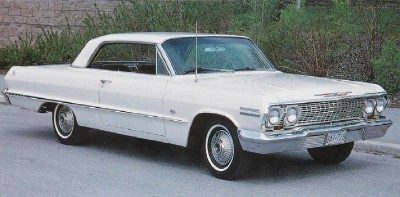
1963 Chevrolet Trunk-Hinged Styling and engine specifications
Chevrolet knew how to play the optical illusion game in 1963. The bodies of the Biscayne, Bel Air, and Impala were repainted and restyled to make the upgrades look much more thorough than they really were. The sheet metal was tweaked to give it a more arresting look without changing hardware across the assembly line. The marketing department calls it “clean-cut as a jewel” and “smooth-riding as a jet”. Of course, this is a sales pitch, but they’re not entirely wrong about the improvements.
These introduce features that most drivers don’t notice until they need them. Air-washed rocker panels were very popular at the time and were designed to protect the most vulnerable parts of your car’s sides from rust. Self-adjusting brakes reduce pedal play over time. The exhaust system also lasts longer. It’s not just about speed, it’s about value.
Under the hood, the V-8 lineup is even more powerful. The base Turbo-Fire 283 cubic inch engine makes up to 195 horsepower. It’s not a rocket, but it’s reliable. Step into the midrange 327 cubic-inch V-8 and you’re spoiled for choice. 250 horsepower is the entry point. 340 horsepower is the best choice for enthusiasts looking for power without spending too much money.
Then there are the big pieces. The 409 cubic-inch engine is the star. There are three versions: 340, 400 or a whopping 425 horsepower. This top-of-the-line version used a twin four-barrel carburetors. The compression ratio is 11:1. That’s some serious compression for a car built in 1963. This requires good fuel and careful tuning. If you have one, you can drove it like you stole it.
Why the 1963 model is important
The 1963 model is often overlooked in favor of the 1967-69 “II” body style, but it has its own charm. The change in style is subtle. You have to know where to look. The rear fender flared slightly. The grille design has been reshaped. The taillights are still sealed beams, but the housing has been changed. The details of this 1963 Chevrolet Impala separates the lookers from the drivers.
The engine options tell the real story. 327 is the main product. Fits almost all models. 409 was the halo. Only a few thousand of the top spec were produced. Today it is rare now. This makes them valuable. But 283 is everywhere. It’s installed on the low-end Biscayne and the entry-level Bel Air. If you want a classic American V-8 that’s easy to work on, the 283 is still a good choice. Parts are cheap. Mechanics know them.
The air-washed rocker panels is interesting from the point of view of restoration. Designed to blow air over rocker panels to reduce corrosion. It really helps, but it’s not completely. Rust still got in. Be sure to check it out if you are buying one today. Look for the holes near the rear wheel well. That’s
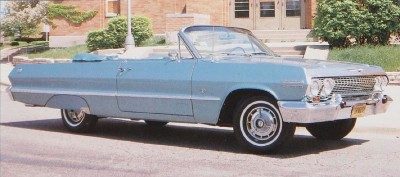
Most buyers chose from the V-8 engine lineup, sticking with the base 140-hp turbocharged six-cylinder. In extreme cases, however, a few drag racers have managed to obtain cars with lightweight aluminum body panels and a version of the 427cc 409 engine. This is a rare beast made with more emphasis on speed than volume.
The Impala still dominates the lineup with 832,600 units, of which 153,271 supersport units roll off the production line. The Sport sedan stands out with its unique hardtop roofline, while the Sport coupe has a vinyl roof. The most expensive model is still the aggressive Impala convertible in SS trim.
The SS package adds $161 to the ragtop’s $3,024 base price. With the extra money I bought heavy duty springs, aluminum bucket seats and a swirl section on the dash. All SS Impalas are equipped with a floor shifter, and the new console features a safety locking compartment.
1963 シボレー ビスケーン、ベル エア、インパラの事実
- モデル: ビスケーン
- 重量範囲 (ポンド): 3,205-3,810
- 価格帯 (新品): $2,322-$2,830
- 製造数: 186,500 (概算)
- モデル: ベレア
- 重量範囲 (ポンド): 3,215-3,810
- 価格帯 (新品): $2,454-$3,028
- 製造数: 354,100 (概算)
- モデル: インパラ
- 重量範囲 (ポンド): 3,310-3,870
- 価格帯 (新品): $2,661-$3,170
- 製造数: 832,600 (概算)
1964 シボレー ビスケーン、ベル エア、インパラ
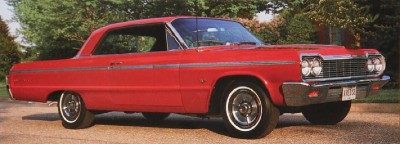
By 1964, the occupation had intensified. Super Sport was no longer just an option package. It remained its own series. You can get it in a convertible. Or a hardtop coupe. It was a choice.
Inside, the cabin screamed performance. The material chosen was pleated vinyl. The front seats replaced the bench seat. Between them was a console. It held the ground circuit. This was standard if you ordered a four-speed manual transmission. Or a Powerglide automatic. If you had a manual, the transmission was right in your hand.
Outside, details mattered. Silver-colored anodized material decorated the rear contour moldings. It had a swirl pattern. The strips on the upper body also widened. These touches are characteristic of SS. They looked faster. They felt different.
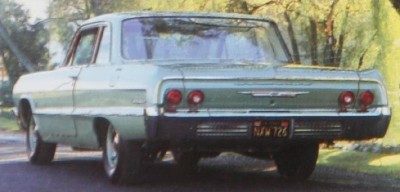
The Super Sports package was a serious proposition. You could spec it with either a six-cylinder or a V-8, though the inline-six was essentially a ghost in the machine — very few were actually sold. If you wanted to drive it like you bought it, you added a tachometer and a proper sports steering wheel. Quick-ratio power steering kept the big Chevy manageable, while the seven-position Comfortilt column let you find the right driving posture for any highway cruise.
Styling got sharper. The corners squared off. A new full-width sculptured grille dominated the front end, giving the car a more aggressive, purposeful look. The rear remained iconic with triple taillights on each side, framed by plenty of brightwork that caught the sunlight on every turn.
Impalas continued to dominate the market. They were the clear top sellers, with production hitting 889,600 units. That total included an impressive 185,523 Super Sports models, proving that buyers were willing to pay for performance.
Picking the Right Powertrain
Choosing an engine in 1964 wasn’t simple. Chevrolet offered seven different engines and four transmission options. The lineup started with a 140-horsepower six-cylinder and climbed through V-8s of 283, 327, and 409 cubic inches. The 409 was marketed as “especially saucy in highway passing situations,” a polite way of saying it had serious grunt for overtaking slower traffic.
V-8 power ranged from 195 to 425 horsepower. The top-tier engines could be equipped with Delcotronic all-transistor ignition, a high-tech feature for the era that improved reliability and performance.
1964 Chevrolet Model Comparison
Here is how the different trim levels stacked up in terms of weight, price, and production numbers.
| Model | Weight Range (lbs.) | New Price Range | Approx. Units Built |
|---|---|---|---|
| Biscayne | 3,230–3,820 | $2,363–$2,871 | 173,900 |
| Bel Air | 3,235–3,865 | $2,465–$3,039 | 318,100 |
| Impala | 3,340–3,895 | $2,671–$3,181 | 704,300 |
| Impala SS | 3,325–3,555 | $2,839–$3,196 | 185,325 |
The Impala SS sat in a sweet spot. It was lighter than the standard Impala but carried a premium price, justified by the performance hardware. The Biscayne, as the base model, offered the lowest entry point, while the Bel Air sat in the middle, appealing to those who wanted more comfort without the SS badge.
Looking Ahead to 1965
As the
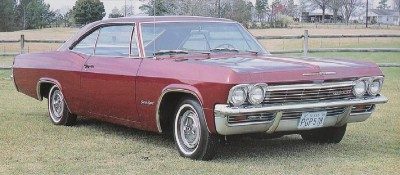
The 1965 Chevy Full-Size Redesign
The 1965 Chevrolet Biscayne, Bel Air, and Impala didn’t just stay big. They grew. For a brand defined by full-size dominance, these cars got even larger, wrapping their steel bodies in dramatically rounded sides and curved window glass. The front end was completely fresh. New hood contours gave the nose a distinct, modern look that separated it from the previous generation’s sharper angles.
Underneath, engineers trimmed the fat. A new Girder-Guard frame shrank the driveline tunnel inside the cabin. Less intrusion meant more legroom and a cleaner floor plan for passengers. Chevrolet pushed the 1965 Chevrolet Impala SS specs alongside broader marketing for their Wide-Stance design. They also highlighted the adhesively bonded windshield for rigidity and an improved full-coil suspension system that smoothed out road imperfections better than the leaf springs of old.
Styling and Interior Updates
Sport Coupes got the star treatment. Their sleek semi-fastback roofline cut through the air with less drag and more style. Wheel well moldings were revised to match the softer, more flowing body lines. Inside, the dashboard got a two-tone treatment. Gauges were tucked into a recessed area directly ahead of the driver, creating a cockpit feel that was rare for family sedans at the time.
Mechanically, the 1965 lineup introduced significant upgrades. The Turbo Hydra-Matic automatic transmission was available for the first time, offering smoother shifts and more reliability than older designs. The column-shift three-speed gained full synchronization, reducing grind and making daily driving less stressful. For those who didn’t need a V-8, a new 250-cubic-inch six-cylinder engine arrived. It wasn’t fast, but it satisfied a fair number of buyers looking for economy without sacrificing the full-size Chevy footprint.
Powertrain Changes and the SS Package
Midway through the model year, Chevrolet dropped a bomb. The 396-cubic-inch Turbo-Jet V-8 became available. It came in two flavors: 325 horsepower or a monstrous 425 horsepower. That top-tier version featured 11:1 compression and solid lifters, screaming for high RPMs.
The legendary dual-carb 409 was gone. It had been the heart of the SS for years, but in its place, Chevrolet left only 340- and 400-horsepower renditions of other V-8s. The loss of the 409 stung some enthusiasts, but the 396 filled the void with modern efficiency and torque.
Super Sports differed subtly from regular Impalas. They kept the bright windshield moldings that screamed “performance” but dropped the rocker panel and lower fender trim to save weight and cost. A total of 243,114 Impala SS coupes and convertibles rolled off the line. These weren’t just showroom pieces. Their new center console housed a rally-type electric clock, and full instrumentation now included a vacuum gauge. Why? Because drivers needed to monitor engine load and tuning precision. It was a machine built for both cruising and tracking performance.
The year changed everything for the full-size Chevy line. Bigger, smoother, faster. And still waiting for the next generation to try and top it
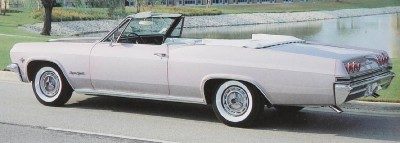
You could turn a basic Impala Sport Sedan into a Caprice Custom for just $200. That small price tag created a nameplate that would outlive its makers by decades. The Caprice option group wasn’t just badging. It was a package. A blacked-out grille. A vinyl top stamped with fleur-de-lis emblems. Unique wheel covers. Narrow sill moldings.
They also got suspension tweaks and a stiffer frame. Inside, it was the most luxurious interior Chevrolet had ever built. Simulated walnut accented specially stitched cloth door panels. Contour-padded seats mixed fabric and vinyl. The goal? Give buyers a “one-of-a-kind” taste of Cadillac’s look and ride. It worked. Sales exploded. By 1966, Chevrolet made the V-8-only Caprice its own full series.
1965 Chevrolet Biscayne, Bel Air, and Impala Facts
| Model | Weight range (lbs.) | Price range (new) | Number built |
|---|---|---|---|
| Biscayne | 3,305-3,900 | $2,363-$2,871 | 145,300 (approx.) |
| Bel Air | 3,310-3,950 | $2,465-$3,039 | 271,400 (approx.) |
| Impala | 3,385-4,005 | $2,672-$3,181 | 803,400 (approx.) |
| Impala SS | 3,435-3,655 | $2,839-$3,212 | 243,114 |
1966 Chevrolet Biscayne, Bel Air, Impala and Caprice
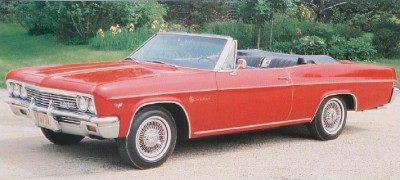
1966 Chevrolet Full Size Update: New Body and Big Block Options
The 1966 Chevrolet full-size lineup, which included the Biscayne, Bel Air, Impala, and Caprice, received a major cosmetic overhaul. The design has moved away from the previous year’s curves and towards blockier body lines. Chevrolet introduced redesigned fenders, a heavier bumper, a redesigned grille, and unique rectangular wraparound taillights. It had the sharper, more angular look of its time.
The biggest news under the hood is the debut of a 427-cubic-inch V-8 engine. This engine was essentially a larger version of the 396-cubic-inch Mark IV block. Buyers had a choice according to their raw power needs. The 427 was available in two states of tune: 390 horsepower or 425 horsepower.
There are other V-8 options for those not looking for maximum displacement. The 396-cubic-inch V-8 engine is still available, rated at 325 horsepower. The smaller 327 cubic inch V-8 engine also continued.
Chevrolet also paid special attention to driving comfort. Hardtop models received new perimeter frames and improved frame supports. The company promises a “jet-smooth ride” that aims to eliminate the harshness often associated with truck bodies. The Biscayne, Bel Air, Impala, and Caprice series offered a station wagon variant, offering plenty of transportation options for families.
The transmission uses a 3-speed column shift. Amazingly, they are perfectly synchronized in all forward gears, making shifting easy even for drivers who don’t have the patience for a double clutch.
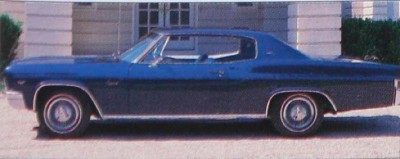
The 1966 lineup was a study in differentiation. Chevrolet took its full-size sedans and gave each a distinct personality, moving away from the “one-size-fits-all” approach of the late ’50s. The standout was the Impala SS, a car that lived up to its tagline: “Bucketed, bountiful and bent on sport.” It wasn’t just a badge anymore. It came with new slim-profile Strato-bucket seats that hugged the driver tighter than ever before.
But while the SS was chasing cornering speeds, the rest of the family was chasing status.
The Impala remained the volume leader, the people’s choice for comfort and style. But the real story was the Caprice. In 1965, Caprice was just an option package on the Impala, and it worked too well. So well, in fact, that for 1966, Chevy split it off into its own separate series. The goal was simple: beat Ford’s upscale LTD. Billed as “the most luxurious Chevrolet yet,” the new Caprice series consisted of four specific models, and there was one non-negotiable rule: every single one had to be powered by a V-8. No six-cylinder excuses allowed.
Inside, the luxury crept in. Buyers could option their Caprices with reclining Strato-back front seats, a feature that made highway cruising significantly less taxing on the lower back. The Caprice Custom Coupe was the star of the show, sporting a more formal, “one-of-a-kind” roofline. Look closely at the rear window, and you’d see decorative exhaust ports. It was purely aesthetic, but it added a layer of visual drama that signaled this wasn’t your average grocery getter.
The trim details were exhaustive. Wide rocker sill moldings ran along the sides. Dual color-keyed striping followed the body lines. And on the roof quarters, you’d find the classic fleur-de-lis emblems. It was a lot of chrome and chrome-like plastic, but in 1966, that’s what said “success.”
The 1966 Numbers Game
If you wanted to know where the money was going, you had to look at the build sheets. The hierarchy was clear. At the bottom was the Biscayne, the no-frills workhorse. At the top, the Caprice.
| Model | Weight Range (lbs) | Price Range (New) | Units Built (Approx) |
|---|---|---|---|
| Biscayne | 3,310–3,895 | $2,379–$2,877 | 122,400 |
| Bel Air | 3,315–3,940 | $2,479–$3,053 | 236,600 |
| Impala | 3,430–4,005 | $2,678–$3,189 | 654,900 |
| Impala SS | 3,460–3, |
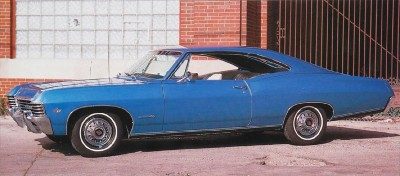
1億台目のGM車: 1967年カプリス
それは統計上の異常、あるいはおそらく静かな予言です。 米国で組み立てられた 1 億台目のゼネラル モーターズ車は、記録破りのトラックや革新的な電気プロトタイプではありません。 これは最高級の 1967 シボレー カプリス カスタム クーペです。 この画期的な車は、1967 年 4 月 21 日にウィスコンシン州ジェーンズビルの工場で生産ラインから稼働しました。 これが計画されていたのか、それともまったくの偶然だったのかは今でも議論されていますが、今にして思えば、この選択は重要でした。 これは当時のシボレーの最も高級なモデルであり、このような注目を集めたデビューの後、その人気の上昇は避けられないと思われました。
カプリスはすぐに際立ちました。 その独特のフォーマルなルーフラインは、他のシボレー モデルには見られません。 多くの購入者はオプションのビニールトップを選択しましたが、形状自体が車のアイデンティティを定義しました。 他のシリーズとは異なり、過剰なクロムに依存していない高級感の視覚的特徴です。
1967 Impala and Caprice design details
The 1967 full-size Chevrolet had a familiar feel under the skin. The dimensions remain stable and the wheelbase is 119 inches. It’s four inches longer than the midsize Chevrolet and offers the interior space customers expect. Visually, the changes are subtle. The fact that the new body is only slightly different from its predecessor may surprise those who expected a overhaul. Chevrolet’s marketing team emphasizes continuity, touting a “grille that peeks through the front fenders.” This is an interesting explanation for a conservatively styled car.
Trim levels tell a different story. The Impala SS has less trim than the regular Impala. It traded brightwork for attitude. Black accents on the grille and body side moldings give the sports coupe and convertible an meaner look. The wheel wells are exposed and lack the bright trim of the smaller models. If you want glitz, look elsewhere in the showroom.
The 1967 Impala SS ditched the chrome and focused on a cleaner, darker aesthetic.
The choice of interior design is similarly binary. Buyers can opt for vinyl bucket seats paired with a center console for performance and personal seating-focused configuration. You can also opt for a Strato-back bench seat with folding center armrests if passenger comfort is a priority. The Impala Sport Coupe (including the SS version) has a special roofline. It flows to the aft deck in an elegant, unbroken arc. This is a design feature that sets it apart from the more substantial and formal Caprice. While the Caprice retains its distinctive shape, the SS models trend towards a sportier, more uniform silhouette. This distinction is important. It’s not just about badges. It is important how the metal bends and where the light hits the paint.
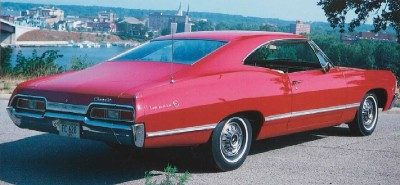
The headline act for 1967 was the 385-horsepower, 427-cubic-inch V-8. It wasn’t just an option; it was the top dog. Out of the 76,055 Impala SS models rolling off the line, a mere 2,124 came with that big-block 427. The rest were mostly 396s. The six-cylinder crowd? Tiny. Only about 400 Super Sports bothered with the straight-six. Most buyers wanted torque.
Unlike the Biscayne or Bel Air, which had limited body options, the Impala came in a full complement of styles. It sucked up the lion’s share of sales, as usual. Total Impala output hit 556,800 with V-8 power. Another 18,800 carried six-cylinder engines, plus those rare SS variants.
The hierarchy was clear. Biscaynes attracted the budget-minded. Bel Airs offered a bit more luxury. Then there was the Caprice. More than 124,000 shoppers paid extra to drag one home.
1967 Chevrolet Biscayne, Bel Air, Impala, and Caprice Facts
| Model | Weight range (lbs.) | Price range (new) | Number built |
|---|---|---|---|
| Biscayne | 3,335-3,885 | $2,442-$2,923 | 92,800 (approx.) |
| Bel Air | 3,340-3,940 | $2,542-$3,098 | 179,700 (approx.) |
| Impala | 3,455-3,990 | $2,740-$3,234 | 575,600 (approx.) |
| Impala SS | 3,500-3,650 | $2,898-$3,254 | 74,000 (approx.) |
| Caprice | 3,605-3,990 | $3,078-$3,413 | 124,500 (approx.) |
1968 Chevrolet Biscayne, Bel Air, Impala, and Caprice
The momentum shifted into 1968. The styling got sharper. The grille changed. But the engine bay remained a battlefield. The 396 cubic-inch small-block was everywhere. But the big news was the arrival of the 427 in the Impala SS. It wasn’t just for show. It was serious horsepower.
Sales figures tell the story. The Impala dominated. The Bel Air held steady. The Biscayne? Still the bargain bin king. The Caprice? The luxury badge. People liked badges.
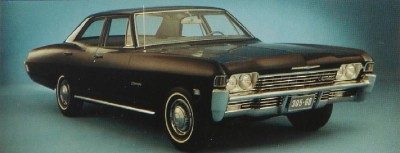
The Grand Chevrolet’s New Look
The 1968 Chevrolet Caprice arrived with a roofline that the company literally called “classic” in its sales brochures. They claimed nothing on the road looked quite as distinctively stylish. It wasn’t just about the silhouette, though. Inside, the Caprice doubled down on luxury features that defined the era. You got courtesy lights in the doors, ashtray lights, an electric clock, and a front center armrest. The seats were fancier. The door panels were richer. Even the carpeting climbed up the side of the kick panels and wrapped around the door bottoms.
Chevrolet pushed this model hard as “The Grand Chevrolet.” The marketing machine was loud. Eventually, the Caprice would eclipse the Impala in the American cultural consciousness, becoming a symbol of its own. The brochure sold a feeling. “It can make you feel richer,” it promised. “At a Chevrolet price.”
Visibility and Ventilation Tech
The window design shifted. The old ventipanes were gone. Instead, Chevrolet promised better visibility. They introduced Astro Ventilation, a system meant to pull outside air into the cabin without you having to crack the window open. It was a subtle change, but it changed how the car breathed.
Most Chevrolets that year got hidden windshield wipers. Clean lines mattered. Then there were the retractable headlights. They cost an extra $79. They gave the front end a sleek, uninterrupted look. But few people bought them. The price tag, or maybe just the maintenance fear, kept them off the road.
Trims and Sales Reality
The Custom Coupe was a formal body style. Before 1968, it was exclusive to the Caprice. This year, it opened up to the Impala as well. Standard front ends got a new face. The rear told a different story with triple horseshoe-shaped taillights. It was a busy rear end, but distinctive.
Plush interiors helped pull buyers in. The hierarchy remained clear. The Biscayne sat at the bottom as the lowest-priced full-size model. It looked the part of the budget option. The Bel Air continued to catch the middle-of-the-road buyers. But the Impala? It overwhelmed the sales charts. It had done it for years. And in 1968, it didn’t stop.
“It can make you feel richer.”
The marketing worked because the product matched the promise. Or at least, it looked like it did. The Impala didn’t just sell cars. It sold a position. A status. The Caprice tried to ride that wave, offering more luxury for less perceived cost. The retractable lights sat idle. The hidden wipers stayed tucked away. The plush interiors remained empty until someone turned the key.
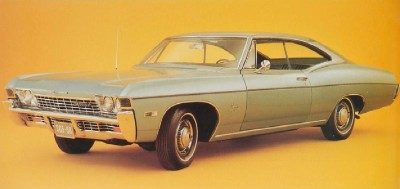
「カプリース」は最高潮に達しています。 この高級モデルの生産台数は 115,500 台に達し、購入者の好みに明らかな変化が見られました。 一方、インパラ・スーパースポーツは失速している。 それはもはや独占的な範囲ではなく、2ドアクーペとコンバーチブルでのみ利用可能な$179のオプションパッケージに追いやられています。 価格の下落にもかかわらず、バッジを付けてロットを残したインパラはわずか 38,210 台でした。 これらのうち、名誉ある SS 427 の指定を受けるために製造されたのは 1,778 台のみで、今日でも尊敬されている 427 立方インチの V-8 型エンジンです。
フルサイズシボレーのエンジンオプションは、まだ比較検討中です。 適度なサイズの 250 立方インチの直列 6 気筒から始めることも、307 立方インチの V8 にアップグレードすることもできます。 より多くのうなり声が必要な場合は、327 のペアも利用できます。 しかし、本物の存在感が必要な場合は、396 立方インチの V8 エンジンが 325 馬力を発揮します。 食物連鎖の頂点に立つのは大きな 427 です。 定格出力 385 馬力または 425 馬力で、シボレーのより重いボディに詰め込んだ場合でも、十分なパワーを発揮します。
1968 Chevrolet Full Size Specifications and Production
Levels are defined by weight, price and capacity. The Biscayne sits at the bottom, weighing in at 3,400 to 3,900 pounds and priced at $2,581 to $3,062. About 82,100 of them were produced.
Bel Air has stepped up its game a bit. It weighs between 3,405 and 3,955 pounds and retails between $2,681 and $3,238. The production volume increased rapidly to approximately 152,200 units.
Impala is the sales leader. Prices range from $3,250 to $3,940 with a list price of $2,846 to $3,358. Chevrolet delivered about 710,900 units.
Despite the lower production volumes, the Caprice is still the best choice. The heaviest weighs 3,660 to 4,005 pounds and sells for $3,219 to $3,570. But 115,500 buyers opted for the luxury treatment.
1969 年に向けて
事態は再び変わろうとしていました。 1968 年モデルが終了すると、次の 1969 年モデルのラインナップに注目が集まりました。 ビスケーン、ベル エア、インパラ、カプリスはすべてアップデートの準備が整っていますが、68 年に確立された力学が 69 年の市場を決定する可能性があります。 カプリスの台頭は、基本馬力よりも贅沢が重要となる未来を告げています。
1969 Impala New Style
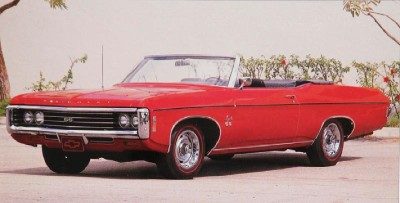
The 1969 Chevrolet Impala ditched its boxy roots for a more sculpted silhouette. Redesign is more than just tweaking the edges. Gives strong muscle lines to the sides of the body. Of course it seems long. However, if you look closely, it is undeniable that the lineage of its predecessors is still preserved. The wheelbase is still 119 inches. It’s only 3 inches longer than the four-door Chevelle.
Chevrolet redesigned the fenders so they now have a larger bulge around each wheel well. It’s a subtle makeover, but it changed how the car sat on the road. At the front, the redesigned grille surrounds four deep-mounted headlights. The thin bumper hugs the nose and maintains a smooth profile.
A similar treatment was applied to the shape of the tail. The taillights are now rectangular and hidden inside the thin rear bumper. The result is a cleaner and more complete look. It wasn’t a total reinvention. This is evolution. It gives the full-size Impala a sharper, more contemporary stance without compromising its classic appeal.
Why the 1969 redesign matters
This update is not just for aesthetic purposes. This is to stay relevant in an ever-changing market. Buyers want something that looks fresh but feels familiar. The 1969 Impala excelled in both areas.
The sculpted lines capture the light in different ways. Make your car look wider and more stable. It’s a visual trick, but it works. Deeper headlights added a bit of intensity to the front end. Thinner bumpers simplify the profile. Together, they create a unified look that is greater than the sum of its parts.
The wheelbase remains unchanged. There is no change there. But the way the body wrapped around that frame gives the car a new look. Yes, it’s longer, but it’s also more dynamic. The fenders bulge just enough to hint at the power underneath. It was a subtle promise. A product that is greatly appreciated by enthusiasts.
1969 Impala vs. the competition
Similar changes have been made to other full-size cars. The Impala isn’t the only car to get a more sculpted look. But Chevy’s execution is excellent. The integration of lights and bumper creates a more sophisticated impression. The fender flares are noticeable, but not overly so. This is a balanced approach.
The 1969 Impala retained a close kinship to its predecessor. This is important. This means existing fans won’t feel left out. New buyers see something modern. The wheelbase remains at 119 inches, which is a practical choice without sacrificing interior space. This is an effective compromise.
The rectangular rear lights of the thin bumper are an important detail. They cleaned up the rear. The car looked less cluttered. Focus more. This is a small change. But in a segment where differentiation is difficult, details like these are important. The 1969 Impala took full advantage of them.
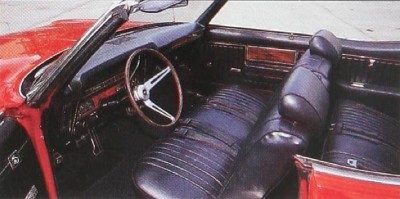
The sales pitch promised a ride that put everyone on Easy Street. For 1969, Chevy leaned into comfort and convenience. The Impala gained Hide-A-Way wipers and vinyl-insert bodyside moldings that added a touch of flair without breaking the bank. The full-size family still consisted of the utilitarian Biscayne, the mid-tier Bel Air, and the premium Impala. At the very top sat the posh Caprice, the halo model for those who wanted their full-size sedan to feel like a personal luxury car.
New technology hit the options list for Impala and Caprice coupes. Buyers could now specify an electric rear-window defogger. Inside, the ignition switch finally moved from the dashboard to the steering column, a safety and ergonomic shift that became standard practice in the industry.
Engine Choices and the SS Package
Under the hood, the base engine remained unchanged: a 155-horsepower, 250-cubic-inch six-cylinder. It was adequate for commuting, but the real story was in the V-8 department. Chevrolet expanded the entry-level V-8. It grew from its previous displacement to 327 cubic inches, producing 235 horsepower.
For the performance enthusiasts, the Super Sport package remained a distinct entity. It was not a standalone model but an engine and trim bundle that cost an extra $422. Despite the hype, only 2,455 Super Sport packages were ordered across the Impala Custom Coupe, Sport Coupe, and convertible body styles. That number sounds small, but in the world of muscle cars, it is significant.
The top-tier performance option was the legendary 427. This 390-horsepower, 427-cubic-inch V-8 gave the Super Sport models their coveted SS 427 designation. It was the big-block dream for many buyers.
In the middle, options were plentiful. Buyers could choose between 255- and 300-horsepower versions of the 350-cubic-inch V-8. There was also a 265-horsepower variant of the 396 cubic-inch engine, offering a balance of torque and power that appealed to highway cruisers and strip racers alike.
1969 Chevrolet Full-Size Model Facts
| Model | Weight Range (lbs.) | Price Range (New) | Number Built |
|---|---|---|---|
| Biscayne | 3,530–4,170 | $2,645–$3,169 | 68,700 (approx.) |
| Bel Air | 3,540–4,230 | $2,745–$3,345 | 156,700 (approx.) |
| Impala | 3,640–4,285 | $2,911–$3,465 | 777,000 (approx.) |
| Caprice | 3,815–4,300 | $3,2 |
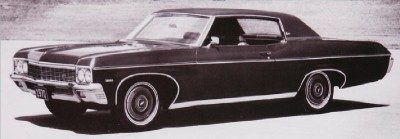
同じボディに新しい顔が登場
1970 シボレー インパラとそのフルサイズ兄弟車のフロントエンドとリアエンドは完全に刷新されました。 前世代の単一の一体化されたグリルとバンパーのユニットは廃止されました。 新しいデザインは、車によりシャープでモダンな外観を与えます。 これは大規模な見直しのようです。
これは事実ではありません。
これらの変化のほとんどは表面的なものです。 金属プレートの下の骨はほとんど変化せずに残ります。 これは進歩の幻想です。 シボレーは、プラットフォーム全体を一から再構築することなく、インパラを新しく見せることを望んでいました。
Engine compartment update
There are big changes in the engine range. The two-door Impala no longer has a six-cylinder engine. The six-door sedan is still available, but only if you buy the four-door sedan. This six-cylinder engine was actually removed from the performance-oriented two-door Impala.
For those looking for V-8 power, the base engine is a 350-cubic-inch V-8 that produces 250 horsepower. But buyers have options.
You could step up to a 300-horsepower version of that same 350. Alternatively, you can choose a 400 cubic-inch V-8 that produces 265 horsepower. But the biggest news is the 454.
Chevrolet replaced the old 427 V-8 with two new 454 cubic-inch engines. These products have been developed in part to meet future emission standards. The result is a pair of high-output big-blocks. One of them produces 345 horsepower. The other was a 390 horsepower 454-4.
Why 454?
454 is more than just power. This is about adapting to a changing world. Exhaust gas regulations are being tightened. The old 427 will be retired. The 454’s larger displacement means more torque and a smoother power curve. This is a trade-off between performance and compliance.
For Impala buyers, that means more choices. Even more power. A car that looks new even if it isn’t.
The 1970 Impala stood still and looked ahead.
変化の幻想
1970 年の再設計は自動車マーケティングのマスタークラスでした。 与えられた印象は、多くが変わったということです。 フロントエンドがよりシャープになりました。 背面がすっきりしました。 インパラはより攻撃的に見えます。
でも同じ車ですよ。 同じフレームです。 同じサスペンションです。 基本的な構造は同じです。
これは戦略です。 シボレーは、顧客が革新的な外観を望んでいることを知っています。 しかし、彼らはその代償を払いたくないのです。 そこで彼らは彼らに新しい顔を与えました。 インパラは依然として重要な意味を持つ。 今でもとても人気があります。 それは変わりません。
これが愛好家にとって何を意味するか
1970 年式のインパラを検討している場合は、新しいスタイルに騙されないでください。 ボンネットの下を見てください。 454はスターです。 特に 454-4 は人気のエンジンでした。 それは強力です。 信頼できます。 これは歴史の一部です。
350は今でも素晴らしいエンジンです。 とても軽いです。 作業は簡単です。 でも45
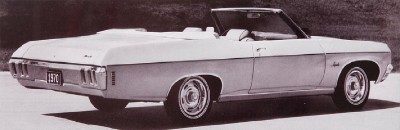
1971 Chevrolet Biscayne, Bel Air, Impala, and Caprice
The lineup has been reduced again. Biscayne and Bel Air were downgraded to 4-door sedans only. Wagons are still available under the Brookwood and Townsman names, but if you want a two-door, those models were gone from the mix.
Hardtops took over the coupe segment of the Impala and and Caprice lines. Convertibles were surviving, but barely. The Impala is one of three Chevrolet convertibles on the market. The production numbers say it all. Only 9,562 Impala convertibles rolled off the assembly line.
Interest in soft tops was dying. It’s not just about the roof. The appeal of big, sporty American cars is also waning. That shift killed the Impala Super Sport. The big red sedan no longer has a high-performance badge.
Full-size production decreased significantly. Total production for the segment fell below one million units. A 65-day strike in the fall of 1970 didn’t help, but the market began to change. Demand was evaporating.
The Impala, however, still held its ground. This flagship model far surpasses other large Chevrolet vehicles. It remains the best choice for buyers who haven’t given up on the full-size segment yet.
1970 Chevrolet Biscayne, Bel Air, Impala, and Caprice Facts
| Model | Weight Range (lbs) | Price range (new) | Number built |
|---|---|---|---|
| Biscayne | 3,600-3,759 | $2,787-$2,898 | 35,400 (approx) |
| Bel Air | 3,604-3,763 | $2,887-$2,996 | 75,800 (approx) |
| Impala | 3,641-3,871 | $3,021-$3,377 | 505,471 (approx.) |
| and Caprice | 3,821-3,905 | $3,474-$3,527 | 92,000 (approx) |
| Station Wagon | 4,204-4,361 | $3,294-$3,886 | Not available |
The van’s weight has increased significantly to over 4,200 kilograms. Prices follow suit, starting at nearly $3,300 and rising to more than $3,800 for higher trims. The Impala’s price spread was wider, reflecting buyer choice as the base version fades in popularity. The and Caprice is expensive for its ultra-luxurious features, which puts it at the top of the list, but sales figures suggest the general public is looking elsewhere.
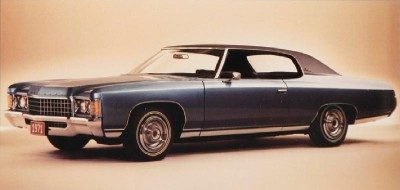
1971 Chevrolet Impala: A full-size muscle and styling transformation
The 1971 Chevrolet Impala remains a viable option for buyers who want full-size space but don’t want the Caprice’s hardtop price tag. This is more than just a car. Chevrolet offers four different body styles, which gives you more choice. You can buy a two-door pillarless hardtop, a four-door version of the same hardtop, a regular four-door sedan or a convertible. Convertibles are on the verge of extinction and are becoming a niche product in a market that is slowly moving away from convertibles.
There is also an Impala custom coupe. This model is an ingenious mash-up that combines the stylish roofline of the luxury Caprice and combines it with the Impala’s mid-level trim. Instead of a completely random sticker shock, it’s more elegant.
The Biscayne is at the bottom of the food chain. This is the cheapest option, but it doesn’t look like a shabby economy car at first glance. Chrome window trim, side moldings, whitewall tires and full wheel guards hide its base level well. Bel Air falls somewhere in between and is a mid-priced option. In 1971, both the Biscayne and Bel Air were technically four-door sedans.
Engine Options and Wheelbase Changes
在引擎盖下,标准发动机很朴素。 基础是 250 立方英寸的直列六缸发动机,搭配 307 立方英寸的小型 V-8 发动机,适合那些需要更多动力的人。 但如果你有现金,选择清单就会变得疯狂。 雪佛兰提供了 454 立方英寸的大型 V-8,可输出 425 马力。 对于一辆家庭轿车来说,这是一个严重的位移量。
1971 年,车身本身发生了重大变化。工程师将轿车和轿跑车的轴距延长至 121.5 英寸。 货车的轴距更长,达到 125 英寸,可容纳货物。 大型雪佛兰的整体形状到处都向外凸出。 腰线膨胀了。 身体两侧向外推出。 就连引擎盖也有了新的、突出的轮廓。
一个新的蛋格图案的格栅占据了前端的主导地位。 前挡泥板上突出的前缘赋予汽车更锐利、更具攻击性的外观,巧妙地借鉴了凯迪拉克系列的线索。
Production Numbers and Ventilation Complaints
インパラはワゴンを除いて年間47万5000台以上を生産した。 標準的な 6 気筒エンジンも用意されていましたが、それを選択した購入者はほとんどいませんでした。 ほとんどの人がV-8を選択しました。
シボレーは、空気の流れを改善するために設計された新しいフロースルー換気システムを導入しました。 実はそれはmixed bagなのです。 換気ルーバーはデッキリッドとwagon tailgatesに直接打ち込まれています。 設計上の欠陥は明らかです。these louversは、雨が降ると雨漏りの苦情を頻繁に引き起こします。
磨き上げられたクロームの外装と白い壁にもかかわらず、Biscaynesは買い手を見つけるのに苦労した。 もっとお金を出したい買い物客はすぐにベルエアやインパラのラインに乗り換えるでしょう。 この無関心は売上高にも表れています。 ビスケーン島には約 22,000 人しかいません。
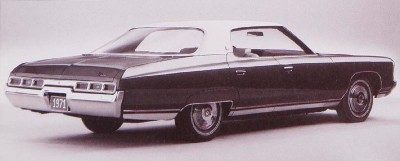
The strike that shook Detroit
Enthusiasm for big Chevrolets didn’t disappear overnight. The 1971 UAW strike affected all Chevrolet plants, lasting two months and causing significant production losses. Still, a total of about 668,000 big Chevrolets is nothing to sneeze at.
Only 10,200 of these were produced at the factory with straight six engines. It’s clear that buyers want V-8 power to match the looks of Cadillacs in this range, and the similarities are especially noticeable in the Caprice. And as historian George Dammann points out, optioned to the hilt for a Caprice or an Impala was as easy as choosing a Caddy. No wonder Chevrolet dealers were able to sell the big car so smoothly.
1971 シボレー ビスケイン、ベル エア、インパラ、カプリスの事実
| モデル | 重量範囲 (ポンド) | 価格帯 (新品) | 生産台数 |
|---|---|---|---|
| ビスケイン | 3,732-3,888 | $3,096-$3,448 | 22,309 |
| ベアラ | 3,732-3,888 | $3,233 ~ $3,585 | 315,986 |
| インパラ | 3,742-3,978 | $3,391-$4,021 | 374,598 |
| カプリス | 3,964-4,040 | $4,081-$4,134 | 110,497 |
| ステーションワゴン | 4,542-4,738 | $3,929-$4,498 | 115,007 |
1972 シボレー ビスケイン、ベル エア、インパラ、カプリス
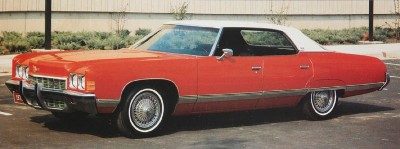
Chevrolet’s full-size lineup grew slightly for the 1971 model year, but not in ways you’d notice without a tape measure. The wheelbase stretched by half an inch across the board. That small change pushed overall lengths to exactly 220 inches. This made Chevrolet the largest of the Big Three automakers in terms of sheer footprint. Station wagons were a different story. They kept their shorter 125-inch wheelbase but gained length elsewhere. The result was a wagon that stretched to an enormous 226 inches overall. It was a lot of car to park in a standard lot.
A New Face for the Full-Size Lineup
The front ends were completely redesigned. Engineers built them around a V-shaped grille. This gave the Biscayne, Bel Air, Impala, and the upscale Caprice a distinct look. They no longer shared a face with other models in the Chevy stable. The design was meant to impress. A Caprice sales brochure even claimed drivers would appreciate the stately grille, suggesting it belonged on cars costing hundreds more. The wagon lineup rounded out the family. Names like Brookwood, Townsman, Kingswood, and Kingswood Estate joined the party. They covered every base from practical hauling to luxury comfort.
Production Milestones and Sales Numbers
Production numbers tell a clear story. Full-size Chevrolet output, including all station wagons, crossed the one million mark. It was a massive volume for a single season. The Impala convertible was a niche product. Only 6,456 of them were built. Yet, the Impala nameplate itself remained dominant. It continued to be the best-selling model name in automotive history. This year marked a significant milestone. The ten-millionth Impala was sold to a customer. The Caprice also performed well. It wasn’t a footnote. 178,455 Caprices left the factory doors. They held their own in the sales race against the standard Impala.
Engine Options: Power and Efficiency
Under the hood, choices ranged from efficient sixes to massive V-8s. The top-tier engine was a 454-cubic-inch V-8. It produced 270 horsepower. That was the peak output for the full-size range. Below that, buyers could opt for a 402-cubic-inch V-8. It offered 210 horsepower. There was also a 400-cubic-inch option with 170 horsepower. The 350-cubic-inch V-8 came in two flavors. One made 165 horsepower. The other pushed 200 horsepower. Six-cylinder engines were rare. Fewer than 3,900 full-size Chevrolets left the plant with an inline-six. Most buyers wanted V-8 power. They wanted the size and the torque. The numbers confirm that preference.
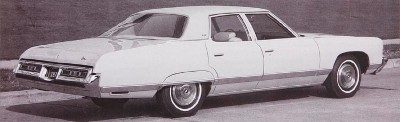
The Caprice lineup expanded in 1972 with a new pillared four-door sedan joining the ranks. It wasn’t just about body styles, though. Every Caprice came equipped with a Turbo-Fire 400 V-8 as standard. No exceptions. You also got variable-ratio power steering and a Turbo Hydra-Matic transmission. If you wanted the top-of-the-line wagon, the Kingswood Estate kept its signature simulated wood trim along the sides. One change to note: ventilation louvers vanished from the tailgates of full-size station wagons that year.
Around the same time, the industry watched John Z. DeLorean leave GM. He was the general manager of Chevrolet when he departed. His exit marked the beginning of a venture that would eventually collapse under the weight of its own ambition—the stainless-steel sports car that would bear his name. It was an ill-fated move, but at the time, it just looked like another executive departure.
Sales Figures and Pricing Breakdown
The numbers tell the story of what Americans were buying. Weight ranges shifted slightly depending on trim and options, but the price tags were the real metric of value.
1972 Chevrolet Model Data
| Model | Weight Range (lbs.) | Price Range (New) | Units Built |
|---|---|---|---|
| Biscayne | 3,857–4,045 | $3,074–$3,408 | 20,538 |
| Bel Air | 3,854–4,042 | $3,204–$3,538 | 41,888 |
| Impala | 3,864–4,150 | $3,369–$3,979 | 597,541 |
| Caprice | 4,102–4,203 | $4,009–$4,076 | 178,455 |
| Station Wagon | 4,686–4,883 | $3,882–$4,423 | 171,703 |
The Impala dominated the charts. Nearly 600,000 units rolled off the line. The Bel Air sat in second place with roughly 42,000 sold. The Caprice, despite its luxury positioning, moved 178,455 units. The Biscayne, the base model, found a niche with 20,000 buyers. Station wagons remained strong, with over 170,000 units built, proving that family utility still had a place in the full-size segment.
1973 Chevrolet Bel Air, Impala, and Caprice
As the decade turned, the full-size Chevys continued to evolve. The 1973 model year brought subtle changes to the Bel Air, Impala, and Caprice lines. Styling cues
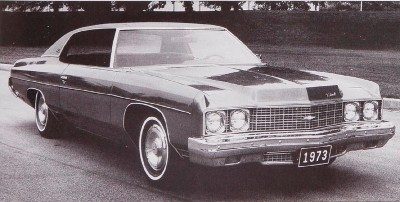
The Caprice hierarchy and the death of Biscayne
Unless you were looking for a Corvette, there was only one way to get a Chevy convertible in 1973: fork over $4,345 for a 1973 Chevrolet Caprice Classic. Chevrolet moved 7,339 of these convertibles and marketed the Caprice as the brand’s “high-end” offering. The hierarchy has changed significantly. The Biscayne nameplate was retired. The Bel Air dropped to base status. The Impala sat in the middle. And Caprice ruled the top of the food chain.
Station wagons were no longer a separate category. They merged with the car lines. This meant that the top-of-the-range car was simply the Caprice Estate. The Biscayne-based Brookwood wagon disappeared from the lineup.
Style updates and safety regulations
Caprices were standard with rear fender skirts to accentuate the curved body lines. Except for the wagons, all models carried them.
The federal government intervened. The front bumpers had to meet the new impact standard of five miles per hour. Rear bumpers? They only had to survive a 2.5 mph hit. So while the front looked thick, the back stayed relatively clean.
Chevy reinforced roofs. Thickened side door beams were put in the doors. Crash safety became a selling point, even though it meant bigger structures.
The modified front end design introduced two different grille options. New bumpers. New fender caps. The Caprice grille had a looser crosshatch pattern than its predecessors. It seemed more open. Less heavy.
Showy taillights and unique station wagons
The rear was also redesigned. The taillights became more square. They sat on updated rear bumpers. But this is where you see the difference between a top dog and others.
Caprices sported three taillights on each side. Smaller models made do with two. It was an established tradition years ago. A visual cue that shows you’re driving an expensive version.
Full size station wagons retained the Glide-Away tailgate. Only in the Wagon range. Handy for carrying gear without having to climb into the bed or trunk.
The Caprice wasn’t just a car. It was a statement of status in the Chevrolet hierarchy. And with Biscayne gone, there was nowhere else to go but up.
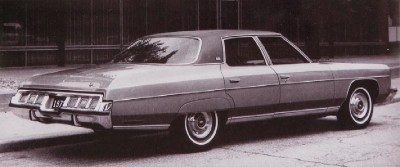
The engine lineup didn’t change much, but it certainly didn’t improve in efficiency. The base powerplants remained the 250-cubic-inch inline-six and the 307-cubic-inch V-8. If you stepped up to a full-size model, a 350 V-8 was available. The Caprice trim pushed things further, offering a massive 454 cubic inch V-8. Depending on the tune, that beast produced 215 or 245 horsepower.
Chevrolet also enlarged its original “small-block” V-8 to 400 cubic inches. It breathed through a two-barrel carburetor, which barely coaxed 150 horsepower out of it. That’s a lot of metal for very little output. The inline-six found its home exclusively in Bel Airs equipped with a column-shifted three-speed automatic. Once you opted for a 350 V-8 or larger, the transmission switched to the Turbo Hydra-Matic.
Fuel tanks held 22 gallons. In an era of poor aerodynamics and heavy steel, that tank emptied fast. Owners made frequent trips to the pump. These cars were not built for frugality. That engineering oversight would become a major liability when the oil crisis hit in late 1973. Motorists scrambled for gasoline, standing in long lines for hours just to fill up.
1973 Chevrolet Bel Air, Impala, and Caprice Facts
| Model | Weight Range (lbs.) | Price Range (New) | Units Built |
|---|---|---|---|
| Bel Air | 3,895 – 4,087 | $3,247 – $3,595 | 41,832 |
| Impala | 4,096 – 4,162 | $3,386 – $3,822 | 549,482 |
| Caprice | 4,103 – 4,208 | $4,064 – $4,345 | 212,754 |
| Station Wagon | 4,717 – 4,858 | $4,022 – $4,496 | 173,978 |
1974 Chevrolet Bel Air, Impala, and Caprice
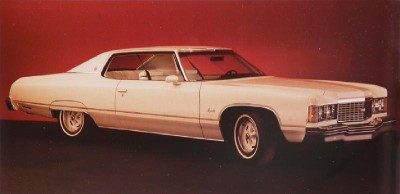
1974 Impala: Market Changes and Style Evolution
The 1974 Chevrolet Impala faced a harsh reality test. In the same year, Chevrolet’s total production fell by 15%. Who is to blame? The energy crisis caused by OPEC’s 1973-1974 oil embargo. Americans suddenly abandoned big cars like the Impala, Caprice, and Bel Air. They switched to smaller, more fuel-efficient vehicles. A 10 percent price increase can accelerate this outflow.
In terms of design, the Custom Coupe introduces a striking new roofline. This is a continuation of the “Colonnade” style seen on last year’s Chevelles. The main feature is the long fixed quarter window. In 1974, it became larger and was completely replaced with roll-down glass. The genuine pillarless hardtop coupe is also preserved. The Impala Sport Coupe retains its 1973 roofline. It’s strikingly similar to the original 1966 Caprice roof treatment. The grille has been redesigned with unique vertical bars accented with bright accents. The Caprice Classic has a 50/50 reclining passenger seat.
Sales materials touted the Caprice Classic as “the pinnacle of enviable luxury.” Who is it for? People who believe that the car should do the driving. Ironically, sales of the four-door sedan outsold the coupe and coupe versions. These coupes are expensive, but buyers like them. Although convertibles are all but extinct in the US market, Chevrolet still offers the Caprice Classic convertible. The full-size model has a new radially tuned suspension underneath. Equipped as standard with steel-belted radial tires.
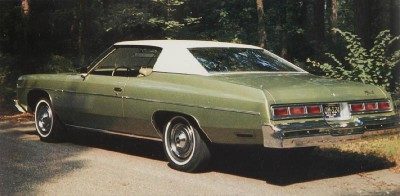
The “Spirit of America” package wasn’t just a sticker. It was a full visual overhaul for a handful of 1974 Chevrolet Bel Air, Impala, and Vega models. You’d see these on the road wrapped in white, slashed with red and blue accent striping. Special identification badges marked them out. The Impalas went a step further, rolling on distinctive wheels that set them apart from the standard lineup. It was a patriotic theme, sure, but it also gave these mass-produced sedans a momentary flash of exclusivity.
Utility didn’t take a backseat to style in the wagon segment. The Glide-Away tailgate remained a staple on full-size wagons, offering convenience over brute aesthetics. But if you needed muscle, the options list delivered. Hook up the optional 454-cubic-inch V-8, and you were looking at a towing capacity of 7,000 pounds. That is serious haulage for a vehicle of that era.
The engine hierarchy was strictly defined. The big 454 cranked out 235 horsepower. The standard powerplant for wagons was the 400-cubic-inch V-8, rated at 180 horsepower. If you stepped down to other full-size models, you started with a choice of 350-cubic-inch V-8s. The Caprice sat at the luxury end of the spectrum, powered by a detuned 150-horsepower version of the 400-cubic-inch engine. Not the most powerful setup, but likely tuned for compliance and smoothness rather than drag strip runs.
The numbers from the assembly lines paint a clear picture of what buyers actually wanted in 1974. The Impala was the volume leader by a massive margin. The Caprice held its own as the premium option, while the Bel Air served as the entry-level volume driver. The wagon, despite its utility, had a much smaller production run.
1974 Chevrolet Bel Air, Impala, and Caprice Facts
| Model | Weight range (lbs.) | Price range (new) | Number built |
|---|---|---|---|
| Bel Air | 4,148 | $3,960 | 24,778 |
| Impala | 4,167-4,256 | $4,135-$4,229 | 357,754 |
| Caprice | 4,245-4,344 | $4,465-$4,745 | 155,908 |
| Station Wagon | 4,829-5,004 | $4,464-$4,914 | 91,407 |
1975 Chevrolet Bel Air, Impala, and Caprice
The momentum shifted as the model year turned. The landscape changed slightly, with new expectations for powertrain efficiency and safety regulations creeping into the specifications. The spirit of the previous year’s patriotic trim seemed to fade, replaced by a more utilitarian focus as fuel prices
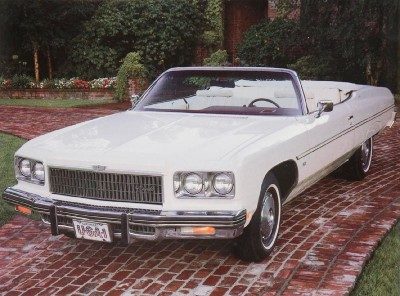
The end of Chevrolet’s full-size convertible era
By 1975, GM’s biggest auto marketing push leaned heavily on the slogan “Chevrolet makes sense for America.” This was a strange car that guzzled fuel like a faucet, but the advertising machine roared thirsty, pushing Impalas and Caprices.
The Caprice Classic hardtop sedan was the flagship. It stretched 223 inches from front to back. Chevrolet cut the side windows into the roof sail panels to give the four-door hardtop a cleaner, more modern look. Fender skirts and bright wheel trims are standard equipment. Every Caprice came as a fully trimmed Classic. Buyers can choose from five body styles: Coupe, Landau Coupe, Sedan, Sport Sedan and convertible.
This year marks the last full-size Chevrolet convertible. It was a Caprice. List price is $5,113, but most owners add so many extras that the final bill is even higher. For the first time, buyers can choose a 50/50 reclining passenger seat and sport cloth upholstery.
Production numbers tell a specific story. Chevrolet produced 8,349 full-size convertibles. In fact, this is more than at any time since 1970, when 9,562 open-top Impalas were hit dealer lots. But here is the peak. The days of the oversized, imposing American convertible are over.
The configuration of the Impala is different. It consists of two coupés and two sedans. There were pillared versions and pillarless models. Chevrolet continues to market the Impala as “America’s Favorite Car.” A Landau coupe was available, but nobody really bought it. Only 2,465 units were produced.
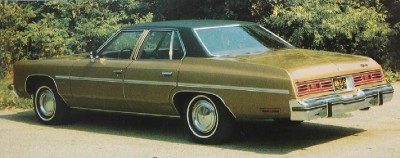
The pillared Impala sedan is a big step forward with a new roofline and significantly larger rear door windows. It worked. In the same year, 91,330 vehicles were sold through dealers. However, Bel Air was dying. In its final season, this trim line is only offered as a four-door sedan. It’s hard to find a buyer. Total sales of full-size products continued to decline and were about half of the 1973 sales.
Chevrolet applies the GM Efficiency System in all its passenger cars. This means a catalytic converter and Electronic High Energy Ignition (HEI). Cat installation allows engineers to retune the engine. This often improves fuel economy and durability. The full-size range includes three station wagons: Caprice Estate, Impala and Bel Air. Each came with either two or three seats.
1975 Chevrolet Bel Air, Impala, and Caprice Facts
| モデル | Weight range (lbs.) | Price range (new) | Number built |
|---|---|---|---|
| Bel Air | 4,179 | 4,179 $4,345 | 15,871 |
| Impala | 4,190-4,265 | $4,548-$4,901 | 211,708 |
| Caprice | 4,275-4,360 | $4,819 ~ $5,113 | 122,339 |
| Station Wagon | 4,856-5,036 | $4,878-$5,351 | 71,766 |
1976 シボレー Impalaとカプリス
The writing was on the wall, or rather, it was in the showroom floor space disappearing for these body styles. Bel Airの銘板は 1975 年以降消滅し、Impalaとカプリスが次のモデルイヤーまでフルサイズのトーチを搭載することになりました。
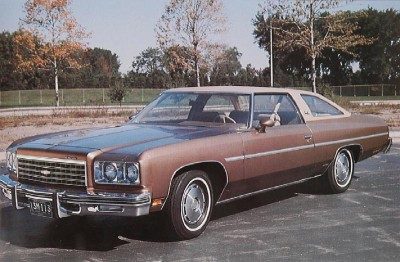
The end of a great Chevrolet era
The 1976 model year ended GM’s full-size hierarchy. The Bel Air nameplate disappeared several years ago, leaving only two competitors: the 1976 Chevrolet Impala and the Caprice. These were the last truly large Chevrolet cars, and although they shared a common lineage, they had a very different aesthetic finish.
The front end has been completely renewed. The Caprice Classic uses a more modern rectangular headlight arrangement, while the Impala follows tradition with four round lights. Both cars feature redesigned grilles, but the Caprice’s tri-unit wraparound taillights give it a unique, wide stance. The luxurious atmosphere inside is obvious. The dash, steering wheel and door panels are trimmed in simulated rosewood vinyl, providing a warmth that cannot be replicated with plastic.
Mechanical Specs and Dimensions
在表面之下,这些汽车是为了舒适而制造的,而不是为了拐弯抹角。 它们的轴距为 121.5 英寸 ,总轴距超过 222 英寸 。 这个尺寸很重要。 它允许工程师利用周边车架和全螺旋弹簧悬架,从而产生特别吸引那些想要在高速公路上漂浮的感觉的买家的乘坐质量。
动力系统选项向桶底部缩小。 买家最后一次可以指定454 立方英寸的 V-8 发动机 。 这是一个很大的街区,但没有七十年代的怪物那么大。 额定功率仅为 225 马力 ,它更多的是低端扭矩和存在感,而不是原始速度。 每个例子都配备了自动变速箱、动力制动器和可变比率动力转向系统。 钢带束层子午线轮胎成为标准配置,取代了过去几十年的斜交橡胶。
Body Styles and Interiors
The two-door lineup saw significant pruning. The pillarless Impala Sport Coupe has been discontinued, leaving the Custom Coupe as the only two-door option for the Impala. Formal silhouettes are a compromise between style and visibility. By 1976, the four-door hardtop model had disappeared from the lineup, simplifying the lineup but reducing buyers’ choices.
Internal flexibility is still a strength. A standard bench seat is available, but many people opt for the 50/50 split front seat, which offers more support and easier rear access. The Caprice Landau Coupe features a unique upholstered elk-grain vinyl half-roof that creates a two-tone effect that emphasizes the length of the car.
Why 1976 Matters
1976 Chevrolet Impala and Caprice は、アメリカの自動車過剰の黄昏を象徴しています。 重く、幅が広く、燃費には無頓着です。 しかし、現代のセダンではなかなか真似できない堅牢さと存在感を持っています。 このサイズの車の 454 オプションの終了は、ダウンサイジングと排出ガス規制への移行を示しています。
これらの車は単なる移動手段ではありません。 それらは声明です。 スペース、快適さ、道路からの視覚的優位性を重視していることを示す声明。 インパラとカプリスは確かにその目標を達成しましたが、世界はすぐに彼らから離れていきました。
Final Thoughts
回顾过去,1976 年的车型给人一种顽固的感觉。
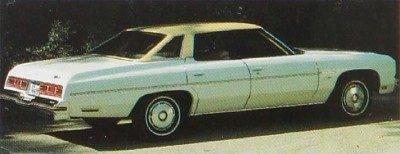
Comfort was the headline act. Chevrolet didn’t just sell cars in 1976; they sold a feeling, specifically the feeling of being cocooned. The marketing for the Caprice Classic was blunt about its priority: “There’s no such thing as too much comfort.”
This philosophy shaped every aspect of the vehicle. Available as a sedan, a sport sedan, a coupe, or the more luxurious Landau coupe, the Caprice was engineered to absorb the road rather than communicate with it. The interior offerings were a study in texture. Buyers could choose between a new standard knit cloth and vinyl upholstery or a softer, all-vinyl expanded option. On the mechanical side, Chevrolet insisted on ride quality as a standard feature. Front and rear stabilizer bars came included on the list, paired with a radial-tuned suspension system that utilized modified shock absorbers to tame bumps before they could reach the cabin.
The Impala followed a similar playbook but with a broader target demographic. It shared the same four body styles as its bigger brother, backed by the slogan “a tradition that keeps getting better.” But while the Caprice chased luxury, the Impala needed to chase value. For the budget-conscious, there was the Impala S. This stripped-down four-door sedan lacked the extra chrome trim and steel-belted tires found on higher trims, serving as the entry point for price-sensitive buyers.
However, once you climbed into the Impala, the options list quickly turned it into a personal lounge. You could opt for a reclining passenger seat, a power-adjustable six-way front seat, or power locks and windows. For those in hotter climates, the Four-Season or Comfortron air conditioning systems were available, along with a power trunk opener and a rear defogger. It was a menu of convenience designed to make the commute feel less like a chore.
The 1976 Numbers: Weight, Price, and Production
The data from 1976 paints a clear picture of Chevrolet’s hierarchy. The Impala was the volume leader, while the Caprice sat higher up the price ladder, and the station wagon, though heavier, filled a specific niche for families.
| Model | Weight Range (lbs.) | New Price Range | Units Built |
|---|---|---|---|
| Impala | 4,175 – 4,245 | $4,507 – $5,058 | 198,231 |
| Caprice | 4,244 – 4,314 | $5,013 – $5,284 | 152,806 |
| Station Wagon | 4,912 – 5,007 | $5,166 – $5,546 | 72,819 |
The Impala’s dominance in production numbers—nearly 200,000 units—suggests it was the bread-and-butter model for the brand. The Caprice, while more expensive, still moved significant volume, proving that buyers were willing to pay for the extra comfort features. The station wagon, at nearly 5,000 pounds, was the heaviest and most expensive, yet it still sold
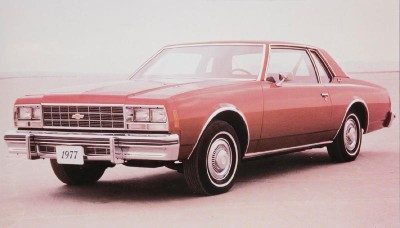
1977 シボレー インパラとカプリス: フルサイズの新しい定義
1977 年のシボレー インパラとカプリスは、単に調整されただけではなく、改良されました。 彼らは完全な見直しを行いました。 これは、B ボディ プラットフォーム全体を小型化するという GM の広範な戦略の一環です。 その結果、前モデルよりも短く、高く、幅が狭くなった車が誕生しました。 シボレーはこの新製品を「ニュー・シボレー」と呼び、70年代後半の経済情勢により適した車として位置づけた。 約束は簡単です。これらの車は運転が容易になり、「世界のスペースが少なくなる」ということです。
しかし、問題があります。 外装のフットプリントは縮小しましたが、室内空間は実際には増加しました。 シボレーは購入者にスペースを失わないことを保証する。彼らはそれを獲得しています。 頭上空間と後部足元空間は1976年モデルを上回った。 トランクも拡大され、セダン構成で 20.2 立方フィートの荷室スペースを提供します。 これは、よりコンパクトなパッケージに、より多くのユーティリティを詰め込む、古典的なエンジニアリングのピボットです。
認知度と長寿
シボレーはこれに全力を尽くしました。 業界は注目した。 モーター トレンドは、小型化されたシボレーをカー オブ ザ イヤーに選出しました。これは、今日でも支持されています。 このより洗練され、より効率的なフルサイズの生産ラインは 10 年以上持続します。 1980年のマイナーアップデートを含むいくつかのマイナー改訂を経て、1990年モデルまで継続されました。
これらの車両は警察車両の主力車両となりました。 70 年代後半から 80 年代にかけてパトカーを見たことがあれば、おそらくこれらの小型モデルのいずれかであるでしょう。 その寿命の長さは、そのエンジニアリング、特に動力を供給する小型 V-8 エンジンについて雄弁に物語っています。 信頼性が高く耐久性があり、難しい作業にも対応できます。
エンジンオプションと効率性
Efficiency was the driving force behind the redesign, which meant a return to the six-cylinder engine. For those who value fuel economy, the inline-six engine is EPA-rated at 22 mpg highway and 17 mpg city. The new 305 cubic inch V-8 engine was loved for its perfect balance of power and fuel economy. 20 mpg highway and 16 mpg city.
By muscle car standards, the 305’s power isn’t that great. It was equipped with a 2-barrel carburetor and produced 145 horsepower. If you need more power, there’s a 170-horsepower, 350-cubic-inch V8 engine. Inside the cockpit is a smart switch, a small but welcome innovation. This single control unit controls the dimming functions of the headlights and turn signals, reducing コラムの clutter.
The downsized Impala and Caprice showed that big cars can be made small again without sacrificing the space drivers expect. They adapted to a new era of fuel uncertainty and urban congestion. For some, the change was sudden, but the market responded with volume. Police love its durability. 家族は室内の広さを好んだ. Is it the best full-size car of the decade? Maybe not in terms of actual performance, but in terms of 生存と関連性, it is unique.
The impact of this redesign extends far beyond the showroom. This set a pattern that other manufacturers eventually followed. Emphasizing efficiency 殺さなかった the full-size segment
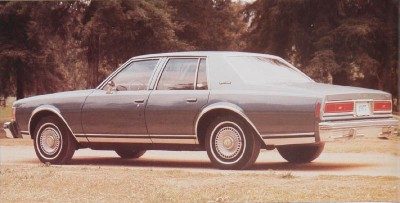
The Great Shrinkage and the Landau Twist
The station wagons took a hard hit in the redesign. Gone was the distinctive Glide-Away tailgate, that clever sliding glass panel that made loading groceries a breeze. In its place? A standard Door-Gate. You opened it sideways or folded the whole thing down, just like a regular sedan trunk. The body itself got smaller too. Wheelbases shrank from 125 inches down to 116 inches. That put the wagons on the same short wheelbase as the coupes and sedans. Overall length dropped by more than a foot. It was a tighter, more compact footprint.
The Impala lineup settled into a predictable rhythm. You had the coupe. The four-door sedan. And the four-door station wagon, which came with either two or three seats up front. But halfway through the year, GM threw a curveball. The Impala Landau Coupe joined the roster. It was lavishly trimmed, a nod to luxury in an era that was rapidly turning away from excess.
Then there was the Caprice.
It didn’t just enter the market. It redefined the entire concept of the American full-size automobile. Everyone watching noted it signaled “the shape of cars to come.” It was sleek. It was different. It felt like a preview of the future, even as the industry was contracting around it.
Here is how the numbers shook out for the 1977 model year.
| Model | Weight Range (lbs.) | New Price Range | Units Built |
|---|---|---|---|
| Impala | 3,533 – 4,072 | $4,876 – $5,406 | 320,279 |
| Caprice | 3,571 – 4,118 | $5,187 – $5,734 | 341,382 |
The Caprice carried a slightly heavier curb weight and a higher price tag. But it also outsold the base Impala by over 20,000 units. People were paying extra for that new shape.
By the time the 1978 model year rolled around, the strategy began to shift again.
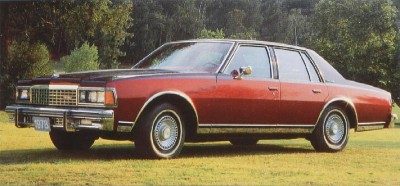
1978 年までに、新世代のインパラとカプリスは 2 番目のモデル イヤーに突入していました。 シボレーのマーケティングマシンは依然として前年の成功を基礎としており、ダウンサイジングされた1977年モデルが「国内で最も成功した新車」であると主張した。 最新の1978年のラインナップについての同社の公式言葉は何ですか? 「すっきりとして、引き締まり、美しい。」
カプリス クラシックは、シャープな新しいグリルと直立したボンネット バッジで際立っています。 専用のホイールカバーもあります。 テールライトは適度に再設計されています。 電動サンルーフもオプションとなった。 内部では、カプリスの購入者は、カーペット敷きのドア下部パネル、木目調のトリム、追加の遮音性を備えています。
インパラも取り残されていません。 新しいグリルと、より大きなバックアップライトを備えた再設計されたテールライトが採用されています。
1978年モデルの主な変更点
The 1978 model retained the clean lines of the 小型プラットフォーム while adding luxurious elements. Caprice Classic pays attention to quality details. The ホイールカバー is distinctive. The ボンネットのエンブレムが大型化. 電動スカイルーフ offer buyers a way to let air in. The interior feels quieter and smoother.
Impala takes a slightly different approach. The updated grille gives it a cleaner look. The taillights have been redesigned with larger backlights to improve visibility. It’s a subtle refresh, but it retains the Impala feel.
Chevrolet took the market by storm with its 1977 redesign. The 1978 update was all about improvements. They polished the packaging. Add features that are important to buyers. Caprice has clearly become a luxury option. The Impala is still the sporty choice. Both cars benefit from a smaller architecture. It’s light. More fuel efficient. It is also more fashionable.
The market also reacted. Sales remain strong. The Caprice Classic has become a popular choice for families looking for a premium product. The Impala appeals to those looking for performance and style. Both cars made it. They have proven that 小型プラットフォーム is the secret to success.
Chevrolet doesn’t need to reinvent the wheel. They just need to adjust it. The 1978 model year is the result of this strategy. 洗練された仕上がりだった。 They are very competitive. 市場に送り出す準備が整っていた。
What do buyers think of the new features? Most people like the added luxury of the Caprice. The インパラの新しいデザインは愛好家の心を掴んだ。 Both cars have niches in a crowded market. Chevrolet has created something special. They just need to keep it fresh.
The 1978 Impala and Caprice were more than just updates. These are confirmations. 小型プラットフォームは成功した。 スタイリングも成功した。 装備も機能した。 シボレーは当たりを引いた。 They just need to continue to perform better.
Some critics may find these changes minor. However, small changes can add up. The Caprice is also soundproofed, making it even quieter. Impala taillights improve safety. The skylight increases the comfort of use. These aren’t just cosmetic tweaks. They are real improvements. 車は暮らしやすくなった。
重要なのはそれだ。 It’s not just about the car’s appearance. 重要なのは外見だけではない。 乗り心地や走行性能だ。 How it helps the owner. 1978年のインパラとカプリス
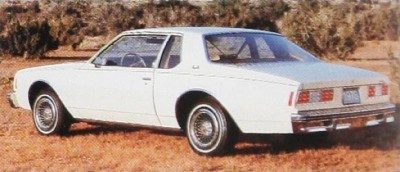
The 1978 model year was a volume game for General Motors. Dealers received shipments of over 609,000 full-size Chevrolets. The body styles with the highest demand were the four-door Impala and Caprice sedans. Coupes moved significantly slower. Landau versions of the coupe were niche products, appealing to a small segment of buyers who wanted extra luxury without the sedan roofline.
Production numbers tell the story of buyer preference. Only 33,990 Impala coupes rolled off the line. The Caprice Landau coupe fared even worse, with just 4,652 units built. Most coupe buyers gravitated toward the 1978 Chevrolet Caprice Classic trim when they wanted something upmarket. Interior materials were straightforward. You could choose cloth or vinyl upholstery. One specific option offered a 50/50 split front seat for passengers who needed more flexibility in seating arrangements.
Under the hood, the standard engine remained a 110-horsepower inline-six. It was adequate for daily driving but not thrilling. Buyers wanting more power had two V-8 options. The smaller option was a 305-cubic-inch V-8 producing 145 horses. The larger choice was a 350-cubic-inch V-8 rated at 170 horses. Emissions regulations had a tangible impact on performance ratings. California-bound engines were detuned compared to models sold in other states. This was a common practice across the industry in the late ’70s due to stricter smog controls. Transmission choices were non-existent in the traditional sense. Every full-size Chevrolet came equipped with an automatic transmission. Manual gearboxes were not offered in these body styles during this period.
1978 Chevrolet Impala and Caprice Specifications
| Model | Weight Range (lbs.) | Price Range (New) | Units Produced |
|---|---|---|---|
| Impala | 3,511–4,071 | $5,208–$5,904 | 290,744 |
| Caprice | 3,548–4,109 | $5,526–$6,151 | 321,653 |
The price spread between the Impala and Caprice was narrow. A base Caprice cost only a few hundred dollars more than a top-trim Impala. This pricing strategy made the Caprice look like a bargain for those wanting the extra trim and larger engine options. Weight differences were minimal, reflecting the shared chassis and body panels. The slight weight gain in the Caprice came from added sound deadening and interior appointments. Production numbers favored the Caprice slightly, suggesting buyers were willing to pay the premium for the perceived status.
1979 Chevrolet Impala and Caprice
By 1979, the full-size lineup faced new challenges. The energy crisis of the previous years had cooled demand for large vehicles. Gas prices remained volatile. Buyers were looking for efficiency. Chevrolet adjusted its strategy to meet this shift. The body styles remained similar, but the focus
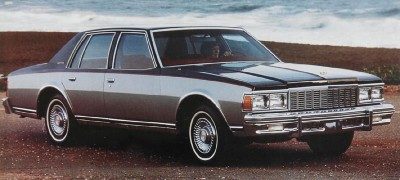
Chevrolet’s marketing machine didn’t mince words in 1979. They positioned the Impala and Caprice not just as vehicles, but as the benchmark for the entire full-size segment. If you were buying a big American sedan that year, these were the cars you measured everything else against. The official stance was clear: this was the standard of success by which other full-size cars should be judged.
It feels almost ironic reading those claims now, especially when you look at the rest of their advertising. Chevrolet was still pushing the idea that these massive land yachts offered respectable fuel efficiency. Yes, really. The ads for the Caprice in 1979 were still trying to sell fuel efficiency on a car that weighed nearly 4,000 pounds. They were still billing the lineup as “The New Chevrolet,” a tagline that had been slapped onto the downsized full-size models back in 1977 to mark the shift away from the bloated designs of the early ’70s.
By 1979, the “new” was no longer new. The changes were subtle. You had to know where to look to see the updates. The Caprice Classic, for instance, got a fresh face. The grille was segmented with bold vertical accents that broke up the horizontal expanse. The headlights were revised, too, sharpening the look just enough to keep the car from feeling stale.
The rear end got a similar treatment. Coupes and sedans adopted a refined version of the traditional triple-segment taillights. It wasn’t a radical redesign. It was a facelift designed to keep the car looking current in a market that was getting tired of the boxy aesthetics of the mid-decade.
“America has driven it to the top,” the sales brochure claimed.
The brochure went on to say this “new generation” had become the most popular of the times. And they weren’t lying about the sales. Despite the oil crisis hangover and the growing preference for smaller, more economical imports, Americans were still buying these cars in droves. The Caprice and Impala remained the default choice for fleets, families, and anyone who wanted a car that felt like a living room on wheels.
The engineering hadn’t changed much since the 1977 downsizing. The V8 engines were still the heart of the operation, though refinements were being made to squeeze out a few more miles per gallon. The suspension was tuned for comfort, not cornering. It was a car built for cruising on straight highways, not for navigating tight city streets or cutting through mountain passes.
But that wasn’t the point. The point was presence. The point was the feeling of being inside something substantial. In 1979, that still mattered. You could walk up to a parking lot and spot a ’79 Caprice from a mile away. The vertical grille elements caught the light. The taillights glowed red. It was a statement.
Some buyers might have looked at the competitors and wondered if there was a better option. The Ford LTD and the Dodge Monaco were there, offering similar dimensions and similar V8 options. But the Chevrolet held its ground. It was the bestseller for a reason. It was reliable. It
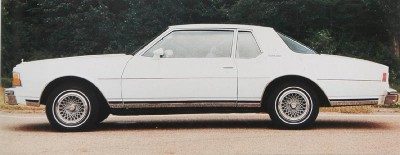
The engine lineup for the 1979 model year didn’t shake up the status quo. You still had the base 250-cubic-inch six-cylinder and the reliable 305-cubic-inch V-8. If you wanted more shove, there was an optional 170-horsepower 350-cubic-inch V-8 waiting. The option sheets were packed with convenience features that defined late-70s luxury. We’re talking about a Power Skyroof, six-way power seats, and intermittent wipers. Comfortron automatic air conditioning kept the cabin temp just right, while an electric rear defogger, power antenna, and a power trunk opener rounded out the list.
Police departments had their own separate brochure. It focused on Malibus and Impalas. The Nova was gone from that specific lineup, leaving the larger sedans to handle the beat.
Total output for full-size Chevy models dipped slightly. Production settled at 588,638 units. That might sound like a drop, but it still topped any other single series in the market. The Malibu wasn’t far behind in the sales charts. For millions of Americans, the brand name Chevrolet and the concept of a big car were practically interchangeable. Even with the downsizing trend taking hold, those full-size bodies remained a cultural staple.
1979 Chevrolet Impala and Caprice Facts
| Model | Weight Range (lbs.) | Price Range (New) | Number Built |
|---|---|---|---|
| Impala | 3,495 – 4,045 | $5,828 – $6,947 | 270,907 |
| Caprice | 3,538 – 4,088 | $6,198 – $6,960 | 317,731 |
The Caprice outsold the Impala in volume. It also carried a heavier curb weight, peaking just under 4,100 pounds. The price spread was tight, with the top-trim Caprice costing only about $13 more than the highest-spec Impala. But the badge mattered. The Caprice was the halo model, the one with the extra chrome and the more upscale interior appointments. The Impala sat just below it, offering most of the space and performance for a fraction less cash.
1980 Chevrolet Impala and Caprice Classic
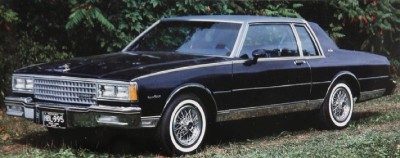
1980 Impala and Caprice: Subtle design changes and new transmissions
The 1980 Chevrolet Impala and Caprice hit the market with their first facelift since the controversial 1977 Downsizing. The changes were small. The hood lines fell. Front fenders rounded. In the coupe, the wrap-around rear window was replaced by a flat window set into more upright pillars.
The in-line six-cylinder engine had disappeared under the hood.
Chevy replaced the 250-cubic-inch straight-six with a new 229-cubic-inch V-6. Power was 115 hp. California buyers got a different setup. The Buick-built 231-cubic-inch V-6 produced 110 horsepower in this market.
The V-8 options remained.
The 267-cubic-inch V-8 produced 120 horsepower. The 305-cubic-inch V-8 increased the output to 155 horsepower.
Wagons came with the smaller V-8 as standard.
305 was optional. So was a 350-cubic-inch diesel V-8 built by Oldsmobile. It produced a modest 105 hp.
Gear selection?
Only one. Three-speed automatic. That was it. No manual. No four-speed. Only three-speed automatic transmission for all models.
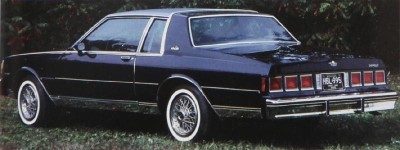
The two-tier strategy never really changed. The Impala remained the workhorse, the base trim you bought when you needed a sedan and didn’t care about luxury. The Caprice Classic was the dress suit. The plush option. If you wanted woodgrain, velour, and a touch of elegance, you went Caprice.
Two-doors? They existed. Wagons? Sure. But four-doors dominated the showrooms. And in the sales battle between the big brother and the little brother, the Caprice usually won. It pulled more buyers.
Then 1979 hit.
The fuel crisis didn’t just scratch the surface. It cracked the foundation. Everyone looked at their gas gauges and realized the days of hauling a brick of steel around were numbered. Big car sales plummeted. The Impala and Caprice felt the squeeze just as hard as anyone else.
On top of that, the Citation existed. It wasn’t a direct competitor in size, but it skimmmed off buyers who were drifting away from the American sedan tradition anyway. They wanted something newer. Something smaller. Something that didn’t guzzle fuel like a firehose.
The result was ugly.
In 1979, Chevy moved over half a million of these big sedans. In 1980? Less than half that. It was a massacre. And despite the marketing teams trying to spin it, the Impala and Caprice never really got their swagger back. They survived. But they never regained their former popularity.
1980 Chevrolet Impala and Caprice Classic Facts
The numbers don’t lie. You can see the contraction in the build counts.
| Model | Weight Range (lbs.) | Price Range (New) | Number Built |
|---|---|---|---|
| Impala | 3,344 – 3,924 | $6,535 – $7,186 | 99,527 |
| Caprice | 3,376 – 3,962 | $6,946 – $7,536 | 137,288 |
| Sport Coupe | 3,104 – 3,219 | $6,524 – $6,604 | 116,580 |
| Landau Coupe | Not available | $6,772 – $6,852 | 32,262 |
Notice the Landau Coupe. It was gone. The Sport Coupe held on, barely, with just over 116,000 units built. But the Landau? Disappeared from the list.
By 1981, things were already shifting. The fuel economy panic wasn’t a blip anymore. It was a structural change in how Americans bought cars. The full-size Chevy was becoming a relic, preserved by loyalists and fleet buyers, but the mass market had already moved on to F-bodies and compacts.
1981 Chevrolet Impala and Caprice Classic
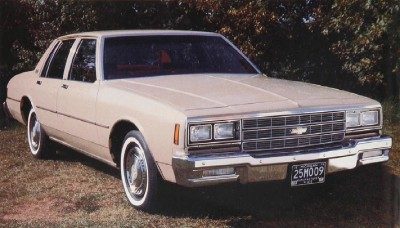
1981 Chevrolet Full Size: Under the Skin
Cosmetic changes to the 1981 Chevrolet Impala and Caprice Classic are barely noticeable. You wouldn’t look at a sheet metal and think something has changed. But underneath? Here’s the real story. This year is not just a year for subtle facelifts. GM had been busy.
The Computer Command Control (CCC) emission system has been adjusted. While not perfect, it smoothed out driveability just enough to help the car meet 1981 regulations. Stricter rules meant tighter margins. Most cars have a hard time adapting without losing performance. These didn’t.
But the title isn’t about computer chips. This is teleportation.
Chevrolet introduced a new four-speed automatic transmission. Most competitors were still stuck on three-speeds. The new transmission has a long-legged fourth gear with an overdrive ratio of 0.67:1. Combining this with a lock-up torque converter you have a recipe for efficiency.
A 305-cubic-inch V-8 was the only engine mated to this four-speed. Although it is a small displacement engine, it does not feel small. The overdrive gear lowered the RPMs at cruising speeds. A lock-up converter eliminates slippage. The result?
Caprice or Impala get 26 miles per gallon in EPA highway driving. This figure is not just laboratory data. It was replicable in real-world driving. This figure was impressive for a full-size sedan at the time. You could cross state lines without making a single stop for gas.
This combination of hardware and software is a response to the fuel crisis hangover. All these cars look the same. They drove better. And they drank less.
What would happen if we stopped dealing with efficiency as an afterthought and started designing powertrains around it? The 1981 Impala showed the way. Not with flash. With gears.
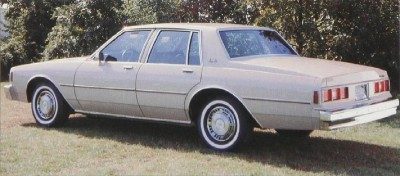
Powertrain options lingered into 1980, though the output numbers took a slight dip. The entry-level engine remained the 229-cubic-inch V-6, churning out a modest 110 horsepower. California buyers, forced into stricter emissions compliance, got a Buick-built 231 V-6 instead—same 110-horsepower rating. If you wanted more shove, you could opt for the 267-cubic-inch V-8 (115 horsepower) or the more potent 305 V-8, which pushed out 150 horsepower.
The diesel story started small. In 1980, only station wagons could be ordered with the Oldsmobile 350-cubic-inch diesel V-8. But by 1981, General Motors expanded the availability, allowing all Impala and Caprice models to spec this fuel-saving option.
1981 Chevrolet Impala and Caprice Classic Facts
| Model | Weight Range (lbs.) | New Price Range | Units Built |
|---|---|---|---|
| Impala | 3,326 – 3,897 | $7,129 – $7,765 | 85,964 |
| Caprice | 3,363 – 3,940 | $7,534 – $8,112 | 133,461 |
1982 Chevrolet Impala and Caprice Classic
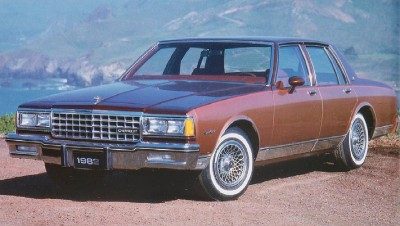
Shrinking the cast of 1982 Caprice
The 1982 Chevrolet Impala and Caprice Classic arrived with a heavy shadow over them. It was rumored that these models were reaching their final year of production. You can see why the reply was muted. Chevrolet has not bothered with big updates. The lineup got lighter, not heavier.
Sales figures were the deciding factor in the cuts. The Impala sports coupe was moving slowly. This also applies to the Caprice Landau sport coupe. They were dropped. Thus, the standard Caprice sports coupe remained the only two-door option of the year. It was a poor offer, but it was all there.
The 1982 Caprice sports coupe was the only two-door body style available.
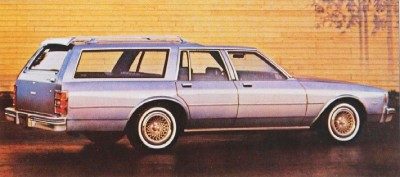
The powertrain lineup saw a subtle but meaningful shift. The four-speed automatic, which had debuted the previous year for the massive 5.0-liter (305 cubic-inch) V-8, finally trickled down to the smaller 4.4-liter (267 cubic-inch) V-8. It was a practical move. The 3.8-liter (229 cubic-inch) V-6 stayed put as the standard engine for coupes and sedans. Wagons, however, kept their preference for the smaller V-8.
California was always an outlier. In that state, coupes and sedans got Buick’s 231 cubic-inch V-6 instead of the Chevy unit. Wagons in California received the 305 cubic-inch V-8 as standard. Across the board, the Oldsmobile-built 350 diesel V-8 remained an option for those looking to squeeze every drop of range out of a tank.
Big, old-fashioned cars like the Impala and Caprice were losing their luster. Fuel costs were high. Efficiency mattered. Yet, these bodies represented incredible value. A roomy Impala sedan started at just $7,918. The ritzier, far more popular Caprice Classic sedan began at $8,367.
Look at the competition. A Cavalier CL subcompact cost $8,100. A Celebrity intermediate sat at $8,600. Suddenly, the full-size cruisers looked cheap. They were big. They were family-friendly. They were also dying.
1982 Chevrolet Impala and Caprice Classic Facts
| Model | Weight Range (lbs.) | Price Range (New) | Number Built |
|---|---|---|---|
| Impala | 3,361-4,050 | $7,918-$8,670 | 64,679 |
| Caprice | 3,373-4,010 | $8,221-$9,051 | 123,510 |
1983 Chevrolet Impala and Caprice Classic
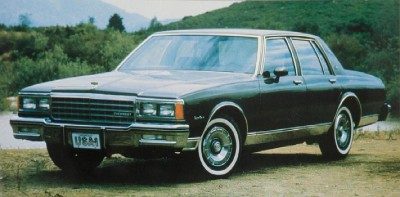
1983 Impala Lineup Cuts and Pivots
The 1983 Chevrolet Impala and Caprice Classic were rumored to be on the verge of extinction, but General Motors refused to let those nameplates disappear. They just became ruthless with the trim list. The Caprice Coupe disappeared and marked the end of Chevrolet’s two-door B body line. The Impala wagon followed. Gone.
A similar cleaning was carried out in the engine compartment. The small 4.4-liter V8 already had its place at the height of the fuel crisis, but now it’s was axed. Its absence leaves the 3.8-liter, 110-horsepower Chevrolet V-6 as the entry-level option. Because the state had stricter emissions regulations at the time, California buyers continued to buy Buick-built unit with similar performance.
If you want more grunt, the options were stark.
* 150-hp 5.0-liter gasoline V-8: Standard on wagons, optional elsewhere.
* 105-hp 5.7-liter diesel V-8: For drivers who want torque and value efficiency.
Each engine comes standard with a three-speed automatic transmission. If you want more control, you can pay extra for a four-speed automatic transmission, but the market calls for a simpler setup. Yes, the assembly has become thinner, but at the same time more focused. Less noise and fewer distractions. Just one V-6, one V-8 and one diesel, all pushing heavy steel.
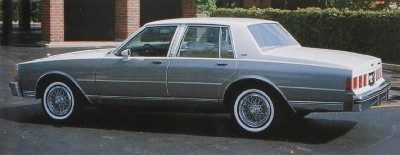
The lean years for Chevrolet—and General Motors as a whole—made it nearly impossible to justify keeping the aging full-size sedans on the production line. The math didn’t look good when you first started crunching numbers. But then gas prices stabilized. Buyers stopped fleeing the gas guzzlers and started drifting back toward larger vehicles and V-8 engines. Chevy couldn’t ignore sales that continued to hover near 200,000 units a year. Not when those numbers were stronger than most other models in the lineup.
The 1983 Chevrolet Impala and Caprice defied the industry trend. Even though they had lost their coupe variants in a previous redesign, these sedans were not just surviving. They were thriving. Sales for that year were better than the year before. They were better than any other Chevrolet on the lot.
1983 Sales and Specs Breakdown
Here is how the numbers shook out for the final run of the old-body-style full-sizers before the transition to the newer platform began in earnest.
1983 Chevrolet Impala and Caprice Classic Facts
| Model | Weight Range (lbs.) | Price Range (New) | Units Built |
|---|---|---|---|
| Impala | 3,490–3,594 | $8,331–$8,556 | 45,154 |
| Caprice | 3,537–4,092 | $8,802–$9,518 | 175,641 |
The Caprice clearly carried the weight class. Over 175,000 units moved in a year where the Impala only managed around 45,000. That disparity tells you who the actual buyers were. Families, fleets, and folks who wanted the extra room and luxury trim that came with the “Classic” badge. The Impala was the sportier trim, sure, but the Caprice was the volume seller. It handled the heavy lifting for the division.
1984 Chevrolet Impala and Caprice Classic
By 1984, the landscape shifted again. The old body style was nearing its end. Production was winding down to make way for the next generation, but the demand was still there. The market hadn’t forgotten what it liked. It just wanted it in a slightly newer package. The transition was messy. Supply chains were retooling. But the cars that rolled off the line in 1984 still carried the DNA of the successful 1983 run. They were heavier. They were still big. And they were still selling.
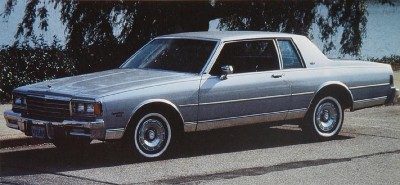
The 1984 Caprice Coupe returns
The sedan didn’t get all the attention in 1984. While the Chevrolet Impala and Chevrolet Caprice Classic sedans continued to make up Chevy’s full-size lineup, the 1984 Caprice Classic coupe made a comeback. It was discontinued at the end of the 1982 model year. In 1984, it was the only two-door vehicle in the full-size Caprice/Impala lineup.
It wasn’t a niche novelty. The car received almost 20,000 orders during the year. Proof that buyers still wanted rooflines that didn’t extend into the bumper.
The 1984 Caprice Classic Coupé was the only two-door in the full-size lineup, and nearly 20,000 were sold.
Other changes to Chevy’s big rear-wheel drive cars were fairly minor. But they were important to everyone who actually drove it day-to-day. Windshield wiper controls were moved from the dashboard. Now they lived in a more convenient location next to the turn-signal stalk. No more reaching over the console for a quick wipe.
The cruise control received a similar update. An optional system now allowed a gradual speed change of one mile per hour at a time. Before that, you had to limit yourself to wider jumps. Or not at all. Small changes. The kind that make the 4,500-pound boat feel a little less unwieldy on the highway.
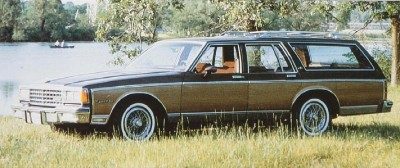
The powertrain lineup barely blinked. Under the hood, the Chevy-built 3.8-liter V-6 pushed 110 horsepower, anchoring the coupes and sedans. California buyers got a similar Buick V-6 instead, likely due to emissions quirks specific to that state. Wagons and select other models kept the 5.0-liter V-8 alive, churning out 150 horsepower. It was the same old可靠的 motor, unchanged and reliable. For those seeking efficiency, a 5.7-liter diesel V-6 offering 105 horsepower sat at the top of the optional list.
Transmission choices were equally conservative. Most models rolled out with a three-speed automatic. The 5.0-liter V-8 demanded a four-speed automatic, which was standard. That same four-speed was optional on the diesel variants.
Value was the headline here. Starting below $9,000, the Impala and Caprice were undeniable bargains in 1984 dollars. The public noticed. Sales jumped 25 percent over the previous year, with over 276,000 buyers signing on the dotted line.
1984 Chevrolet Impala and Caprice Classic Facts
| Model | Weight range (lbs.) | Price range (new) | Number built |
|---|---|---|---|
| Impala | 3,489-3,628 | $8,895-$9,270 | 55,296 |
| Caprice | 3,532-4,053 | $9,253-$10,210 | 221,199 |
1985 Chevrolet Impala and Caprice Classic
The momentum didn’t just stop. The market was hungry, and General Motors was feeding it with incremental updates rather than overhauls. Buyers who flocked to the 1984 models for their affordability and classic styling found that the 1985 year didn’t shake things up too much. The engine options remained the primary differentiator for enthusiasts weighing their choices.
Why stick with the 3.8-liter V-6? It was the volume seller, adequate for daily commuting and cheap to maintain. The 5.0-liter V-8 remained the choice for those who wanted a bit more grunt without going diesel. The diesel, while efficient, appealed to a niche group prioritizing range over performance.
The weight figures from the previous year held steady, reflecting the substantial steel construction that defined this generation. The price ranges saw minor adjustments, but they remained firmly in the budget-friendly sector compared to imports and European luxury sedans. The production numbers told the real story: Caprice outsold Impala by a wide margin, proving that the full-size sedan was still the king of the family hauler.
The classic body style was reaching its twilight. While the engineering was proven, the design was aging.
By 1985, the question wasn’t just about horsepower or price. It was about longevity. Could these heavy, body-on-frame cars compete with the rising tide of unibody imports? The sales figures from 1984 suggested Americans were still
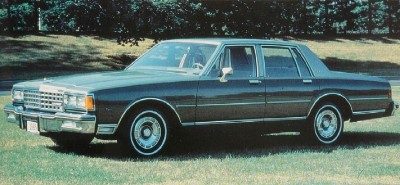
Visually, the 1985 Chevrolet Impala and Caprice Classic didn’t attract much attention. The body lines remained largely intact, but under the skin the engineers were hard at work. The interior was refreshed with new graphics on the instrument panel, but the real changes happened where you couldn’t see them.
The suspension was stiffened. Earlier models suffered from a “floaty” feeling on the road, a feature that annoyed drivers until they opted for the F41 suspension package. This year Chevy fully addressed that complaint and tightened measures to improve the cars handling.
New 4.3 liter V6 engine
The bigger news came from the engine compartment. Gone were the old 3.8-liter V6 engines shared between Chevrolet and Buick. It was replaced by a brand new 4.3-liter V6.
This wasn’t just a new block. It was based on Chevy’s legendary small-block V8, with two cylinders simply cut out. It was a clever way to use existing technology.
The new engine with fuel injection into the throttle body produced 130 horsepower. That was a solid 20 hp increase in power over the previous 3.8s. Not an earth-shattering climb, but noticeable enough to make the ride feel fresher.
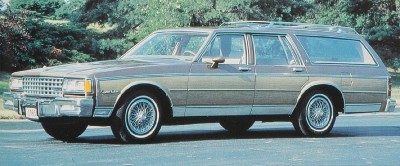
Powertricks got a slight change for this year. The optional 5.0-liter V8 produced 15 more horsepower after increasing the compression ratio, bringing the total to 165. It wasn’t the only engine in the mix. The 5.7-liter V8 diesel returned unchanged, producing a steady 105 hp.
Transmissions followed a logical division. The V6 engine and diesel V8 came standard with a three-speed automatic transmission, but buyers could opt for a four-speed automatic transmission. The 5.0L V8 was different. It was equipped with a standard four-speed gearbox.
Chevrolet kept the full-size lineup strong. The Impala sedan and Caprice coupe, sedan and station wagon were all there. These cars remained popular. Sales were almost 265,000.
1985 Chevrolet Impala and Caprice Classic Facts
model
Weight Range (lbs.)
Price range (new)
Built Number
Impala
3,508-3,634
$9,519 to $9,759
55,438
Caprice
3,525-4,083
$9,888 to $10,714
211,355
1994 Chevrolet Caprice and Impala SS
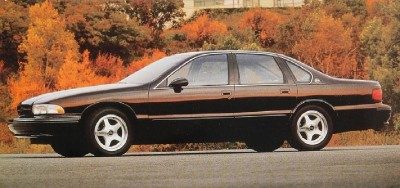
1994 Chevrolet Impala SS Engine Specifications and Transmission
The 1994 Chevrolet Impala SS just didn’t show up. The car was born from the remnants of the 1992 concept car and caused a stir among fans when it was introduced in the middle of the model year. Chevrolet has added a name steeped in performance history to the standard Caprice. On the surface, this is styling exercise. Retro badging for a front-wheel-drive family transport sedan. However, the market reaction proves that even a bland people-mover can have real value if it is decorated correctly. The sudden popularity of the Impala SS forced General Motors to rethink how it packaged the boring lineup, paving the way for more concept-oriented models in the future.
But style without substance is just a photograph. Fortunately, Chevrolet has given the Impala SS actual bite to match its bark. They shoved a heavily modified 5.7L V-8 under the hood and used the venerable LT1 badge. This wasn’t a high-compression monster like the sports cars of the day. To make the Impala SS easier to use, Chevrolet adapted it to run on regular unleaded fuel. trade-off? A output of 260 horsepower.
Compare that to the Camaro Z28’s 275 horsepower and the Corvette’s 300 horsepower. These engines require premium gasoline to reach their full potential. But the Impala SS LT1 is still a big step forward. That’s 80 more horsepower than the previous 5.7-liter V-8 found in Chevrolet’s full-size sedans. For a car that weighs as much as a small house, this leap is significant.
A different beast sits under the hood of the extensive Caprice range. The Caprice sedan and wagon come standard with a 4.3-liter V8 engine that produces 200 horsepower. The Impala SS comes standard with the more powerful LT1, but buyers can actually opt for the regular Caprice LT1 as well. The choice is yours. The power, or the badge.
There are no Transmission options. No matter which V-8 engine you choose, there’s only one gear selector available. It is a 4-speed automatic. There is no manual. There is no 5-speed. Just a reliable, single choice for shifting gears.
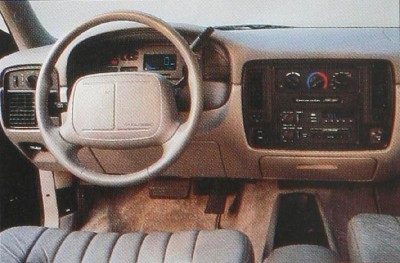
The 1994 Impala SS wasn’t just a trim package. It was a statement. Chevy went all-in on the monochromatic look. You could only get it in black. No white. No silver. Just black.
This wasn’t accidental. The design team carved out unique “dogleg” C-pillar inserts to break up the silhouette. They slapped “retro” Impala badges back on the hood and trunk. A rear spoiler sat quietly on the decklid. But the real star? The wide 17-inch five-spoke aluminum wheels. They filled the fenders. They looked aggressive. They looked fast, even when sitting still.
Underneath that black paint lay a suspension setup that actually worked. Chevy fitted it with a lowered sports suspension. DeCarbon gas-pressurized shocks were standard. This gave the full-size sedan better road manners than any previous Chevy could hope to attain. It handled corners. It braked better. The potent powertrain drove through a standard limited-slip differential. Four-wheel disc brakes backed it up. You had grip. You had stopping power.
Inside, the sporting intent was clear. Bucket seats replaced the bench. Black dashboard trim covered the console. But enthusiasts had complaints. The column-mounted shifter felt outdated. There was no tachometer. If you wanted to know when to shift, you guessed.
Other 1994 full-size Chevy news paled in comparison. But changes came. A passenger-side airbag forced a dash redesign. The old cluster was gone. In its place, a digital speedometer and analog auxiliary gauges lived in one rectangular pod. Radio and climate controls moved to another pod. Cleaner. More modern. Standard air conditioning also switched to CFC-free refrigerant. Small detail. Important one.
1994 Chevrolet Impala SS and Caprice Facts
| Model | Weight range (lbs.) | Price range (new) | Number built |
|---|---|---|---|
| Impala SS | 4,218 | $22,495 | not available |
| Caprice | 4,036-4,541 | $18,995-$21,435 | 104,724 (includes Impala) |
1995 Chevrolet Impala SS
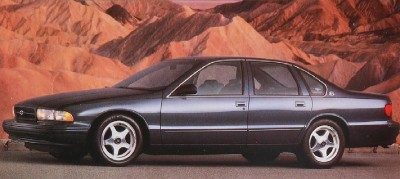
1995 Chevrolet Impala SS: Advanced colors and technical improvements
The 1995 Chevrolet Impala SS didn’t reinvent the wheel. After its debut in mid-1994, the automotive press received rave reviews, but the model returned with only minor changes. The big news wasn’t under the hood. It was on the palette.
Chevrolet has expanded the color options. Gone was the “any color as long as it’s black” philosophy. New shades were Dark Cherry and Green-Gray. It was a subtle change, but it gave buyers more choice without changing the car’s aggressive stance.
Interior and Audio Upgrades
Inside, the choices remained strict. Grey leather was the only interior. It matched the no-nonsense approach.
However, the real innovation was in the dashboard. Like its Caprice counterpart, the Impala SS offered optional premium audio systems. These weren’t just fancy radios. They had speed-compensated volume control. This technology adjusted the volume of the radio according to the ambient noise level and the speed of the vehicle.
Think about it: your music gets louder when you enter the freeway and quieter when you’re in traffic. This is speed-compensated volume.
The system was available in both cassette and CD formats. It was a small detail. But for enthusiasts, it was a nod to convenience. The Impala SS remained a focused machine. Not everything needed to be changed. It’s enough to keep it relevant.
And yet the lack of interior variety felt odd. Why stick to one gray leather option? Maybe it was consistency. Or maybe it was cost. In any case, it remained the defining trait of the 1995 model.
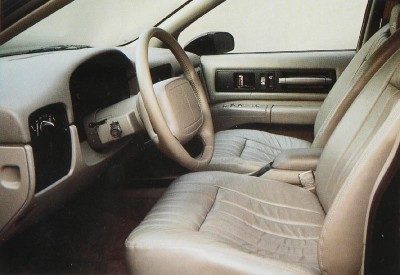
1994 年モデルは機械的な革命をもたらしませんでした。 シボレーは自社の主力にこだわり、パワートレインは 260 馬力 5.7 リッター LT1 V-8 の 1 つだけを提供しました。 トランスミッションは4速オートマチックトランスミッションのみが組み合わされる。 これはカプリスで利用できるものと同じコンボであり、純粋主義者の継続的なフラストレーションを浮き彫りにしています。 インパラ SS は、走行の大部分において本質的に外観パッケージのままでした。 今年はその幻想がさらに薄れてきました。 カプリス ステーション ワゴンは、インパラ独特の「くの字型」リヤ ルーフ ピラーが特徴です。 突然、視覚的な区別が曖昧になります。
ただし、シャーシを消去しないでください。 インパラは、板金の下に、カプリス製の同等品よりも洗練されたサスペンション システムを備えています。 2トンセダンでは不可能なレベルの機敏性を提供します。 ハンドリングはシャープです。 ステアリングはダイレクトです。 それはその質量を信じられないほど優雅に回転した。
視覚的には、車はまだその地位を保っています。 独特の単色塗装処理を保持しています。 空力ボディワークは、微妙な攻撃性を加えるのに役立ちます。 17インチのアルミホイールは今でも際立った特徴です。 それらは美しいです。 実用的です。 彼らは、標準的なカプリスでは不可能な方法でパフォーマンスを叫びます。
1995 シボレー インパラの事実
中期アップデートに利用できる生産データはほとんどありませんが、財務データはその位置付けを明確に示しています。
- モデル: インパラ SS
- 重量範囲: 4,036 ポンド。
- 価格帯 (新品): $22,910
- 製造数量: 利用できません
1995 年に入っても、その方式は変わりませんでした。 新しいエンジンはありません。 新しい送信はありません。 同じLT1は同じボディスタイルを宣伝しています。 愛好家は自分が何を得ることができるかを知っています。 クラス最速ではないものの、速そうに見える後輪駆動のV8セダンです。 それは存在についてです。 1990 年代半ばには、依然として存在感が重要でした。
1996 Chevrolet Impala SS
This generation also ended in 1996. The Impala SS is still alive and kicking, looking sharp and still sporting the V8 poison. But the industry is changing. Front wheel drive is becoming more common. Fuel efficiency standards are getting stricter. Big, heavy V8 sedans are becoming a thing of the past.
But for those who wanted rear-wheel drive, the 1996 Impala SS was a strong choice. This is more than just a sign. It’s a driving experience. Last year’s suspension upgrades have resulted in a smoother ride. The brakes have been improved. There are minor fine-tunings in the interior. But the soul of the car remains the same. Big block V8. Very rigid platform. The design is not as dated as its competitors.
perfection? No, the 4-speed automatic is obsolete. Fuel consumption is poor. Interior materials are basic materials. But for a car under $23,000, it offers something unusual. A connection to the road that is difficult to create with modern cars. It’s noisy. It is very heavy. It is still alive.
Impala SS is more than just a brand.
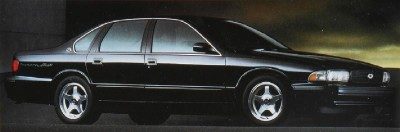
1996 シボレー インパラ SS: 洗練された最後の白鳥の歌
1996 年モデルは 1996 シボレー インパラ SS の絶対的な頂点でしたが、これが銘板の最終年でもあったことを考えるとほろ苦い区別です。 その終焉は、プラットフォームの提供者であるカプリス クラシック セダンの終焉と直接関係していました。 しかし、インパラ SS は静かに消滅するのではなく、すでにシャープだったパッケージを最後にさらに引き締める一連の有意義なアップデートを受けました。
今振り返ると不思議な感じがします。 アーリントン組立工場はピックアップトラックに向けて移行する運命にあるという噂が何年もあった。 完全な再設計は必要ありません。 カプリスは基本的にカーボンコピーの形式に戻り、シボレーはインパラ SS の一部を変更せずに移植する可能性が高い。 市場はそこにあります。 必要性はそこにあります。
しかし、シボレーのエンジニアは簡単な方法を選択しませんでした。 彼らは、インテリアを主なターゲットとして、1994 年の発売時に寄せられたほぼすべての批判に対処しました。 正直に言うと、ステアリング コラムのレバーでギアをシフトする場合、パフォーマンス カーはそれほどスポーティではありません。 率直に言って、タコメーターのないマッスルカーなんてあるでしょうか?
内饰升级真正重要
这些变化是具体且实用的。 柱式换挡杆被替换为地板式换挡杆,使座舱的布局更加以驾驶员为中心。 仪表板上安装了一个转速表,提供发动机负载的实时反馈。 这些不仅仅是外观上的调整; 他们解决了有关汽车可用性和感觉的核心投诉。
外观保留了其激进的姿态,但内饰的更新使座舱感觉不像一辆改装的警车,而更像一辆真正的高性能车辆。 这是一小步,但对于关心驾驶体验而不仅仅是直线速度的爱好者来说很重要。
Why 1996 was the best year
Despite its shortcomings, the Impala SS is still an attractive product. It has V8 power, a sturdy frame and a unique look, all for less than many of its competitors. By 1996, Chevrolet had solved the problem. The ride was still firm, but no longer punishing. Interiors are no longer compromises.
This is the version of the car that most people are nostalgic for. It was the one who gets the details right. And when it reaches its potential, it disappears. “Caprice” is dead. The Impala follows closely behind. This platform was discontinued in favor of a rear-wheel drive sedan, but the sedan didn’t quite have the appeal it originally had.
What a short-lived idol leaves behind
Today, the 1996 Impala SS is considered one of the last truly “large” American performance sedans before the industry shifted to smaller, more efficient platforms. In the modern sense, it was never fast. It doesn’t have the technology or sophistication of today’s muscle cars. But it has a sense of presence. It is equipped with a large V8 engine. The last year was equipped with a tachometer.
The ax fell. The plant changed. But for a very short time, the Impala SS was just what we needed. Too bad it didn’t last longer. It’s a shame that “Caprice” had to die.
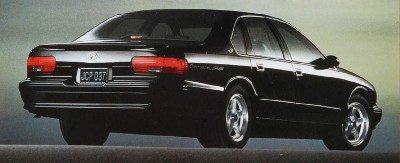
The initial criticism regarding interior quality wasn’t ignored. Chevy installed a floor-mounted shifter, complete with a proper center console that actually featured an embossed Impala logo. It was a small detail, but it mattered. The dashboard got a complete overhaul too. They ditched the digital speedometer, which felt too sterile for a performance car, and replaced it with a classic analog gauge. They also added an analog tachometer. These changes weren’t just cosmetic. They were strategic moves to separate the Impala SS from a standard Caprice. They wanted it to look and feel like a true sport sedan, not just a luxury cruiser with a bigger engine.
Production numbers tell a different story than enthusiast demand. Chevrolet anticipated building roughly 15,000 Impala SS sedans for the 1996 model year. For most car guys, that number feels incredibly low. It feels like they held back.
1996 Chevrolet Impala SS Key Specifications
| Spec | Detail |
|---|---|
| Model | Impala SS |
| Weight Range | 4,036 lbs |
| New Price | $24,405 |
| Production Number | Not available |