Modifying a car can feel like walking into a minefield of expensive parts and complicated installs. For first-timers, the cold air intake is often the safest, most logical entry point. It doesn’t require a degree in mechanical engineering or a second mortgage. The price tag usually sits in the low hundreds, varying only by brand and vehicle platform. Installation is straightforward, too. Most enthusiasts can swap out the stock system in a garage with just a basic set of hand tools. The return on investment is disproportionately high for the effort involved. You get a tangible horsepower bump without breaking the bank or your back.
The physics behind this mod are surprisingly simple. Your stock air intake is tucked away near the engine bay. That is not an accident of design. It is there because heat rises, and the engine generates massive amounts of thermal energy. The air sitting right next to a running engine is hot. Hot air expands, meaning it becomes less dense. Less dense air contains fewer oxygen molecules per cubic inch. When your engine burns fuel, it needs oxygen. If you feed it thin, hot air, the combustion event is weaker.
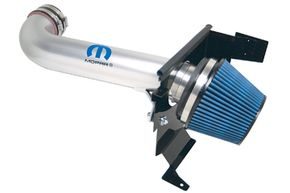
A cold air intake reroutes the filter. It pulls air from further away from the heat source. This incoming air is cooler. Cooler air is denser. Denser air holds more oxygen. More oxygen allows for a more complete and powerful explosion in the cylinders. Think of it like sprinting. Running on a sweltering, humid day is exhausting. Your body struggles. Running in crisp, cool weather is easier. You perform better with the same effort. The car’s engine behaves the same way. It breathes easier. It works harder.
Factory air intake systems are designed for compliance, not performance. Engineers prioritize filtration and noise reduction over raw airflow. Stock tubes are narrow. They have twists and turns that create turbulence. This restricts flow. Aftermarket systems replace these restrictive components with smooth, wide-diameter tubing. The goal is laminar flow. Less turbulence means less resistance. The engine can suck in air faster. Faster air intake supports higher RPMs and greater power output.
There is a trade-off, of course. Stock filters are thick. They trap dust, pollen, and debris effectively. High-flow aftermarket intakes often sacrifice some of that filtration for speed. You might let more particulates into the engine. This is why proper maintenance is non-negotiable. If you skip air filter cleaning, you risk internal damage. But for pure performance, the compromise is worth it. You are choosing optimal conditions over average ones.
The results are measurable. Most vehicles see a gain of 5 to 20 horsepower. That might sound modest. But in the context of a naturally aspirated engine, that is significant. It is enough to change how the car feels on the highway. It also changes the soundtrack. The intake note becomes louder and more aggressive. The sound of air rushing into the engine replaces the muffled hum of the stock box. Some owners also report slight improvements in fuel economy. This happens because the engine operates more efficiently. It doesn’t have to work as hard to make power. But don’t expect miracles. Your mileage may vary based on your specific make and model.
Which cold air intake is best for your car? The answer depends on your priorities. Do you want maximum flow or maximum filtration? Do you care about the sound more than the raw power numbers? There is no single right answer. Only the right setup for your driving style.
Cooler air is denser, holding more oxygen. This allows for a more complete combustion event, translating directly to increased power.
The appeal of the cold air intake lies in its simplicity. It is a bolt-on solution for a complex problem. You don’t need to reprogram the ECU. You don’t need to weld or cut metal. You just replace the intake path. The engine gets what it was denied by factory restrictions: clean, cool, unrestricted air. That is why it remains a staple in the modification world. It works. It is affordable. It is easy.
Is it the only mod you should do? Probably not. You will likely want to pair it with a tune to realize the full potential of the increased airflow. But as a standalone upgrade, it delivers immediate satisfaction. The car responds quicker. The engine sounds better. You feel the difference. And for a few hundred dollars and an afternoon of work, that is a lot of fun.