You wait at a red light. The diesel locomotive next to me screams its engine towards the red line. I’m laughing. You are sitting in a Tesla Model S. The light turns green. Step on the pedal. As you disappear over the horizon, the petrol truck driver looks in the rearview mirror. This is a classic metaphor. But it highlights the real mechanical truth. In the beginning, electric cars were mainstream. They may not control the last mile.
The difference is not magical. This is physics. It’s in the operating system.
快和快的区别
赛车迷知道其中的区别。 快是指加速。 这是从静止状态到特定速度(例如 0 到 60 英里/小时)的时间。 快是指最高速度。 这是汽车在直道上可以维持的最大速度。
电动汽车更快。 他们尚未证明自己在长距离上速度更快。
考虑一下发射。 电动机立即提供最大扭矩。 扭矩是旋转力。 这是推动汽车前进的动力。 燃气发动机需要时间来建立压力。 它需要加速。 它需要换档。
电动汽车中没有传统的变速器。 电机直接连接到车轮。 电力传输是即时的。 没有滞后。 没有变速。 加速是线性且残酷的。
燃气汽车具有更复杂的动力系统。 发动机将动力发送至变速器。 变速箱换档以使发动机保持在其功率范围内。 这个过程需要时间。 它会产生加速度差距。 还有能量损失。 燃气发动机大约 15% 的功率被浪费在传动系统部件上。 这称为传动系统损失。
Win a sprint with an efficiency of 0-60
Horsepower can be misleading. Gasoline and electric cars can have the same horsepower rating. The use of electric cars is increasing. Why? Fewer moving parts. Reduces friction. It’s more efficient.
This efficiency means speed off the line.
Take the 2017 Tesla Model S P100D with the updated Ludicrous mode as an example. Tesla has not released official horsepower figures. At Road & Track, we test our bikes on a dyno. On the ground, its power was 588 horsepower. This is lower than engine power for efficiency reasons, but is important for acceleration.
Motor Trend tested the same car. The 0-60 time was 2.275 seconds. At the time, it was the fastest production car ever tested. Acceleration is hard. Gravity is very strong.
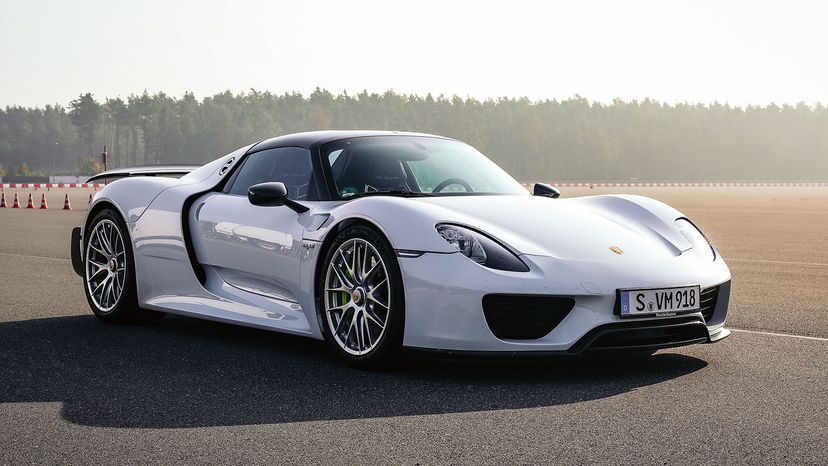
But here’s the problem. If Tesla competes with the Ferrari LaFerrari, Porsche 918 and McLaren P1, the supercar will eventually catch up. These gasoline-powered hybrids have higher top speeds. Excellent aerodynamic performance at high speeds. Their engines can sustain power over 150 miles per hour. Tesla’s engines are pushed to their limits. This does not apply to petrol cars.
A time when natural gas was still mainstream
If you can’t afford a supercar, consider the Dodge Challenger SRT Hellcat. This is a muscle car. It’s noisy. This is ineffective. It’s fast in another sense.
The Hellcat has a supercharged 6.2-liter V8 engine. It produces 840 horsepower. 0-60 in 3.4 seconds. It’s slower than a Tesla. However, it has a top speed of 303 mph. The Tesla P100D has a lower peak. It cannot sustain this speed for long without overheating or reaching electronic limits.
Gas engines have a wide power range. It can rotate at high speed. They can maintain speed. Electric motors have excellent instantaneous torque. We have yet to achieve sustainable high-speed endurance in a package of this size.
Electric cars win drag races. It beats the light. I won the first 200 yards. But petrol cars, with their complicated gearboxes and roaring engines, still retain the crown of pure, sustained speed. The conversation is not over yet. Just change lanes.
Acceleration is where electric vehicles (EVs) currently dominate. Hitting sixty miles per hour takes mere seconds. But maintaining that performance at high speeds reveals a fundamental flaw in the current single-speed gearboxes that most EVs rely on. The industry is waking up to the fact that raw launch torque isn’t enough.
Engineers are now exploring multi-speed electric vehicle transmissions.
Why EVs Need Gears
The lack of a traditional transmission keeps top speeds artificially low. A single-speed reducer works wonders for low-end torque but struggles with efficiency at highway speeds. The motor has to spin incredibly fast to keep up, which drains the battery and limits the top speed.
A dedicated transmission acts as an intermediary. It manages power delivery and protects battery range. The goal is simple. Let the car drive fast for long periods without wasting energy. It should be just as capable at 100 mph as it is at 20 mph.
Battery range is the holy grail. Most EVs top out between 250 and 310 miles. An advanced gearbox could extend that range. It keeps the system simple. It intervenes only when necessary to optimize efficiency at high velocities.
Tesla’s Secret Weapon?
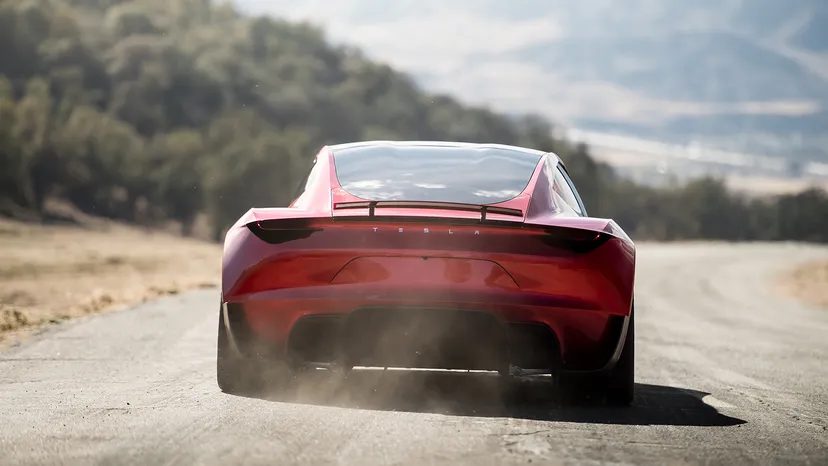
There are rumors swirling about Tesla developing a new electric transmission. The evidence? The projected 1.9-second zero to 60 time for the upcoming Tesla Roadster. That kind of acceleration suggests a more complex powertrain than the current single-speed setup.
Until that happens, the Model S Plaid holds the line with its 2.3-second sprint. It’s fast. But it’s not efficient at speed.
The Torque Curve Myth
Here is the technical reality check. An electric motor produces the same amount of torque regardless of speed. Gas engines have a torque curve. They hit a peak power band.
Most of the time, an EV isn’t using all its available torque. It’s not a limitation of the battery, but of the gearing. Just as a gas car can’t use every horsepower it’s rated for, an EV can’t utilize its full torque potential without the right mechanical help.
Internal Combustion vs. Electric: The Breakdown
The debate between gas and electric often misses the nuance of use cases.
Are electric cars better than gas cars?
In terms of sustainability, yes. But gas cars still hold the edge in raw horsepower and total mileage range.
Which is better for the environment?
EVs produce fewer tailpipe emissions. Gas engines pump out smoke and carbon dioxide. The environmental impact of EVs is positive, assuming the grid isn’t powered entirely by coal.
What are the trade-offs?
EVs offer lower operating costs and zero local emissions. They lack the high-speed performance and range flexibility of traditional internal combustion engines.
Why stick with gas?
Gas cars perform better at sustained high speeds. The engines are mechanically simpler to manufacture and maintain in some contexts. They don’t require charging infrastructure.
Is an EV cost-effective?
Yes. Over time, the lower cost of electricity and maintenance makes EVs cheaper to own. The initial price tag is often higher, but the long-term savings accumulate.