Thanks to the power steering, the car survives cornering and sharp changes of direction. You don’t have to do the hard work because it does it for you. However, this system is dependent on hydraulic fluid. If the liquid is leaking, things can go wrong quickly. Spills don’t just stain your driveway. This is a direct threat to control. This can lead to expensive repairs or a very dangerous situation.
The difference between a simple fix and a complete control failure is determined by how quickly the problem is detected. You have to know what to look for. You need to know why this is happening. And you need to know when to call in a professional. Let’s take a closer look at the symptoms, causes and treatments.
Signs of a leak in the power steering system
Ignoring leaks is a bad idea. A small problem becomes a big disaster. If you are careful, you will notice these signs.
Liquid spots on the ground
Look under the car. If you see pink or reddish drops on the sidewalk, stop. It could be power steering fluid. It may appear transparent or reddish. It usually accumulates under the engine compartment.
Check your parking spot in the morning. At that time, the drops of drops are clearly visible. Don’t ignore it. Fix the problem immediately to protect your car’s safety.
Strange sound
The steering must not shout. If you hear a squealing, grinding or screeching sound when you turn the steering wheel, something is wrong. If you hear a screeching sound immediately after starting the car, it usually means that the fluid level is low.
Try topping off the reservoir. If the sound continues, it means a leak. Don’t just fill up the tank and drive away. Check it out. These sounds are warning signs of serious problems.
Stiff steering wheel
Lack of lubrication can make steering difficult. If the wheels feel heavy or stiff, there is not enough pressure in the system. The wheel can be difficult to turn. This is how accidents happen.
If the steering wheel is difficult to turn, contact a mechanic. Don’t wait. The potential danger is real.
Causes of power steering fluid leakage
To fix a leak, you need to understand the root cause. There are usually three reasons. Damaged hose, overfilled tank or wrong type of fluid. Each causes different damage to the system. Addressing these issues early can save you money and hassle.
Hose damage
Hoses carry hydraulic fluid between components. They take a beating. Over time, pressure and return hoses can develop cracks and holes. It can cause fluid leaks.
A defective hose affects maneuverability. Inspect them regularly. Check for wear, cracks and loose joints. Regular inspections prevent leaks and ensure safety.
Tank overflow
More liquid is not necessarily better. Exceeding the recommended levels can cause problems. You may see the following:
- Seal rupture and leakage
・Liquid leakage - liquid foam
- May damage engine parts
- Messy engine compartment
The pump can also be damaged. Overheating is common. Performance decreases. Keep an eye on the reservoir level in the tank. Fill it only to the recommended mark.
Wrong Fluid Type
Using the wrong fluid is a mistake. Each vehicle requires a specific type. Using the wrong fluid can cause premature wear. This can cause parts to leak.
See owner’s manual. Use the recommended power steering fluid. Prevent damage to your system. Stops leaks before they start.
Ignoring wet spots under your car can cause more than just a mess. That’s a ticket to a broken steering system. Early detection of the cause of a power steering fluid leak can prevent catastrophic failure and costly repairs. This system is hydraulic and uses pressure to turn the wheels. When stress disappears, literally everything goes wrong.
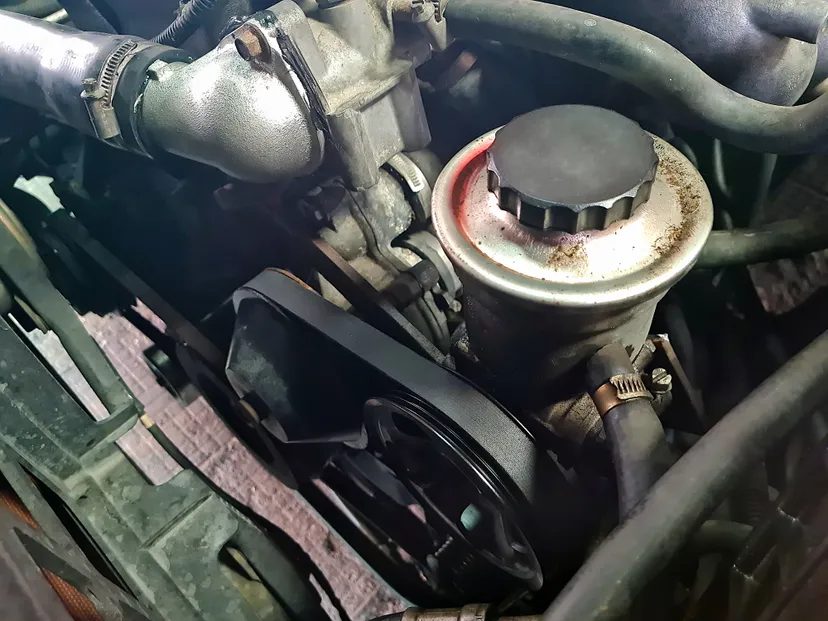
Check the main components first. Look at the pump. Look at the rack. Check all hoses and connections. Doing this regularly will keep your car and wallet safe. This allows you to inspect each part without completely damaging your hands.
Power steering pump
The pump is the heart of the system. The generated hydraulic pressure makes steering easier. If you fail, the steering wheel turns into a brick.
Check the pump shaft. Look for leaks. Even the slightest drip is a danger sign. Are the bolts loose? Are there housing cracked? Don’t ignore it. Loss of fluid here can cause pump cavitation and eventual shutdown. Address it before the noise starts.
Power steering rack
The rack receives the rotary movement of the steering wheel and converts it into lateral movement of the wheel. Exposed to road dirt. Dirt gets inside the seal. Dirt is like sandpaper.
Check the rack for wear. Look for boots that cover both the inner and outer tie rods. Is it torn? Has liquid leaked from the sealing part? Road debris can accelerate the wear of these shafts and seals. If you notice that the condition has deteriorated, replace the damaged parts. Do not attempt to repair a cracked rack shell. It’s not worth the risk.
Hoses and Connections
Hoses carry high-pressure fluid from the pump to the rack and back. They are the arteries of the system. Check for cracks, bulges and wear.
Also pay attention to the connections. Fittings can loosen over time. Vibration loosens them. Check for moisture in the joints. If there is a leak in the hose, spray fluid while the engine is running. This is dangerous. Replace worn hoses immediately. By performing regular checks, you can prevent sudden breakdowns while you are driving.
Do-it-yourself repairs and Professional Help
If a leak occurs, you have two options. Either fix it yourself or pay a professional to do it for you. The right choice depends on your skill level and the severity of the leak.
DIY repair
Small leaks can be treated at home. This saves labor costs. Loose joints can be retightened. If you have the tools, you can even replace a cracked hose.
Some people use anti-leak additives. Products like power steering stop leak will expand the seal and plug small holes. be careful. These additives can block narrow passages. If the leak is caused by a damaged part, it is safer and more efficient to replace the part yourself than to add chemicals.
If you’re going the DIY route, park on level ground. Follow the safety instructions. Wear gloves. Keep away from fire. Do not attempt to repair complex internal faults yourself.
Professional maintenance services
Complex problems require mechanics. A specialist can diagnose the exact cause. They have tools for pressing in gaskets and tightening bolts to specifications.
Costs vary. A typical leak repair costs between $500 and $650. This includes labor and parts. Prices vary depending on the complexity and cost of replacement components. In case of serious leaks, this is the only safe option.
Prevent future leaks
Prevention is cheaper than repair. Keep your system healthy. Use the correct fluid. Fix small problems before they become big ones.
Regular maintenance
Periodic inspections cannot be negotiated. Check the pump, rack, hoses and connections. This is especially important if you drive an older car. Older seals dry out. Older hoses crack.
Early detection of leaks can prevent collateral damage. A small leak can quickly turn into a big mess. Regular maintenance can save you money in the long run. It also prevents getting stuck on the highway.
Use the correct fluid
Using the wrong fluid can cause damage. This causes the seal to expand. It degrades hoses. It starves the pump.
Check your owner’s manual. Use the recommended power steering fluid. Some cars use ATF. Some use certain synthetic fluids. Mixing old and new fluid is okay, but only if they are of the same type and specification. Check the fluid level regularly. A low fluid level exposes the pump to air. Air can get in and causes foaming and wear.
Solve problems in time
Do not wait until the steering wheel is locked. Pay attention to the signs. Unusual noise? Whining when you turn? Wheel stiffness? Are there liquid spots on your driveway?
These are warning signs. Address them immediately. Early intervention can prevent further damage. Keep your car safe. Maintains steering performance. Pay attention to the system. Stay ahead of the problems.
Ignoring leaks costs money
Power steering fluid leaks do more than just mess up your driveway. They pose a direct threat to the way your car handles and stops. A fault in the system can lead to heavy steering. This makes emergency maneuvers dangerous. If you know what to look for, you can spot the signs early.
Why prevention is important
Common causes are worn hoses, seals and pumps. Regular inspections can catch these problems before they become serious. Addressing these issues early can save you money. Prevent catastrophic highway breakdowns.
Maintenance Protocol
Use the correct type of fluid. Unsuitable liquids can damage the seal. Check fluid levels often. Fill in if necessary. If the fluid level is low, there is a leak. Find it. Fix it.
Proactive maintenance ensures safe operation. Provides a smooth driving experience. Be careful. Keep your system in peak condition. Enjoy the road with peace of mind.