Французький автовиробник нарешті представив новий Renault Zoe. Це не просто оновлення. Це повна переробка, яка здається випереджає свій час на роки. Дизайн відходить від минулого, пропонуючи елегантний профіль, який привертає увагу як у потоці, що застряг у міських пробках, так і при русі відкритим шосе.
Під капотом представлені різноманітні варіанти. Ви можете вибрати конфігурації 1.4, 1.5 та 1.6 4×4. Ця різноманітність забезпечує високу продуктивність у різних умовах водіння. Йдеться не просто про те, щоб дістатися з точки А до точки Б. Йдеться про те, як ви туди дістанетеся.
Zoe завжди була одним із фаворитів у портфоліо Renault. Нова версія підвищує планку завдяки інтер’єру, натхненному розкішшю. Зона для сидіння напрочуд простора для компактного електромобіля. Силова установка забезпечує сильне прискорення, яке утримує увагу ентузіастів.
Під металом: Характеристики двигуна
Погляньмо на цифри, які мають значення. Конфігурація двигуна проста.
-
Кількість циліндрів: 4
-
Максимальна потужність: 133 кВт (к.с.)
-
Максимальний момент, що крутить: 245 Нм
Ці цифри не просто для галочки. Вони визначають, як поводиться автомобіль при натисканні на педаль.
Показники продуктивності
Як ця потужність проявляється на дорозі? Характеристики розповідають чітку історію.
-
Максимальна швидкість: 200 км/год
-
Розгін 0-100 км/год: 10 секунд
Десять секунд до 100 км/год можуть здатися повільними на папері для деяких. Насправді цього достатньо для міської їзди. Ви отримуєте достатньо потужності, щоб зливатися з потоком на шосе, не чекаючи на вічність. Це не автомобіль для трекових перегонів. Це щоденний автомобіль, який легко впорається з обмеженнями швидкості.
Ефективність та витрата
Тривога про запас ходу відмерла для багатьох власників Zoe 2020. Ефективність це те, де цей автомобіль сяє.
-
Витрата у місті: 22 кВт/126 км
-
Витрата на шосе: 50 кВт/145 км
Зачекайте. Ці цифри виглядають дивно. Давайте прояснимо. Міський показник говорить про неймовірну ефективність. 22 кВт на 126 км – це добре. Але ж показник на шосе? 50 квт на 145 км? Це здається високим у порівнянні з міською їздою. Аеродинаміка сильно позначається на швидкості.
“Zoe пропонує ентузіастам іншу перспективу, поєднуючи розкішний інтер’єр з практичною міською та міжміською продуктивністю.”
Ця розбіжність підкреслює, де автомобіль процвітає, а де відчуває труднощі. Це насамперед міський автомобіль. Витрата на шосе вказує ціну швидкості.
Загальний огляд
Renault Zoe 2020 не намагається бути всім всім. Це сфокусований пакет. Сучасний дизайн. Інтер’єр відчувається преміальним. Продуктивність компетентна.
Але чи ідеальний він? Жоден автомобіль не ідеальний.
Показники моменту, що крутить, припускають хорошу тягу на низьких оборотах. Вихідна потужність варта. Показники витрати – це змішані результати в залежності від того, де ви їздите.
Хочете знати, чи варто воно своєї ціни? Це залежить від вашого місцевого ринку. Але як машина? Вона надійна. Вона виконує свої обіцянки. Здебільшого.
Простір у салоні – це справжній переможець тут. Renault вдалося
Світло 2020 Renault Zoe стає серйознішим
Новий Renault Zoe відмовляється від м’яких ліній своїх попередників. Він виглядає не просто гостріше. Він виглядає сфокусовано.
Renault заявляє, що дизайн несе у собі «чистоту та елегантність». Це маркетинговий спосіб сказати: “Ми витратили гроші на стайлінг”. В результаті автомобіль відчувається не як машина для поїздок у магазин, а як преміальний міський хетчбек.
Але головна історія – не в кривих лініях. Це світло.
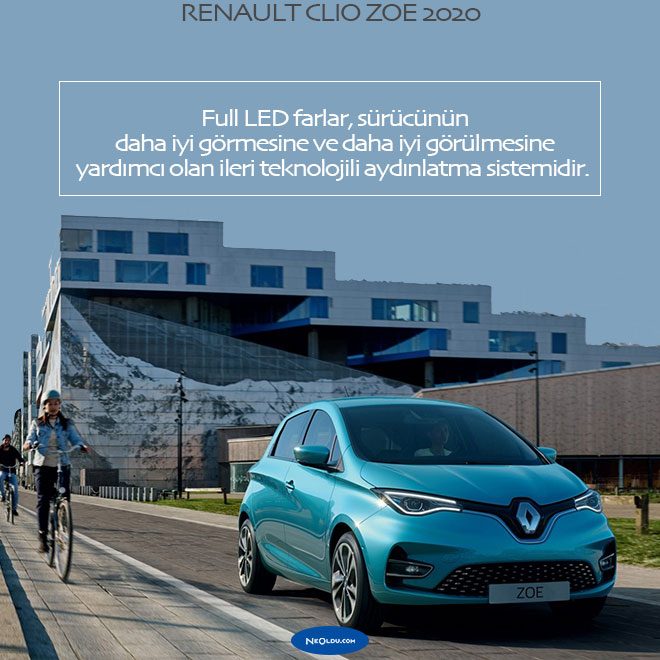
Вперше в історії моделі Zoe 2020 оснащується повністю світлодіодною оптикою. Це не просто оновлення. Це повна переробка того, як автомобіль взаємодіє із темрявою.
Як працює фільтрація в реальному часі
Старі системи на основі галогенних чи ксенонових ламп створюють широкий, часто розмитий пучок світла. Вони висвітлюють дерева біля узбіччя, коли вам потрібно бачити лише смугу руху.
2020 Renault Zoe виправляє це.
Функція далекого світла використовує фільтри, котрі коригуються у часі. Вони не просто включаються та вимикаються. Вони “розрізають” світловий пучок.
- Система виявляє зустрічний транспорт.
– Вона миттєво затемняє певні ділянки світлового пучка. - Решта дороги залишається повністю освітленою.
Це передова технологія, розроблена на вирішення двох проблем одночасно.
- Ви бачите краще.
- Ви не засліплюєте інших водіїв.
«Передові світлові системи допомагають водієві краще бачити і бути краще видимим».
Результат – різкіший контраст. Дорога попереду виділяється із темряви. Її краї залишаються чітко окресленими. Це важливо вночі. Це важливо на звивистих сільських дорогах, де видимість має вирішальне значення.
Чому це змінює досвід водіння
Більшість електричних міських автомобілів жертвують видимістю заради ефективності або заощаджують на світловому устаткуванні.
Renault не стала цього робити.
Світлодіодні блоки інтегровані у передню частину автомобіля. Вони виглядають стильно. Але що важливіше, вони точні.
Коли ви вмикаєте дальнє світло, ви не просто запалюєте яскравішу лампу. Ви активуєте обчислювальну систему освітлення. Автомобіль обробляє дані про дорогу та відповідним чином регулює кут фільтра.
Такий рівень контролю раніше був зарезервований преміальних люксових брендів. Тепер він доступний у масовому електромобілі.
Передня частина Zoe виглядає інакше завдяки цим фарам. Фари стали тоншими. Більш агресивними. Вони обрамляють область радіаторної решітки, яка в основному закрита, так як автомобілю не потрібен повітряний потік для охолодження двигуна.
Це функціональна зміна з естетичним результатом.
Візуальний вплив
Ведення нового Zoe уночі відчувається інакше. Не лише тому, що він тихий. Тому що дорога стає зрозумілішою.
Світлодіодні проектори створюють довгий, рівний світловий пучок. Він краще пробиває дощ та туман у порівнянні зі старими системами. Можливість фільтрації означає, що ви можете частіше використовувати дальнє світло.
Це знижує навантаження очі. Вам не потрібно постійно перемикати ближнє світло під час проїзду зустрічних автомобілів. Система робить це автоматично.
Це невелика деталь. Але в автомобілі, який велику частину свого життя проводить у містах, нічне водіння становить значну частину експлуатації. Зробити його безпечніше та простіше – це відчутне поліпшення.
Стиль чистий. Світло гостре. 2020 Renault Zoe не просто виглядає новим. Він бачить краще. І це має значення.
Системи допомоги водієві та технології безпеки
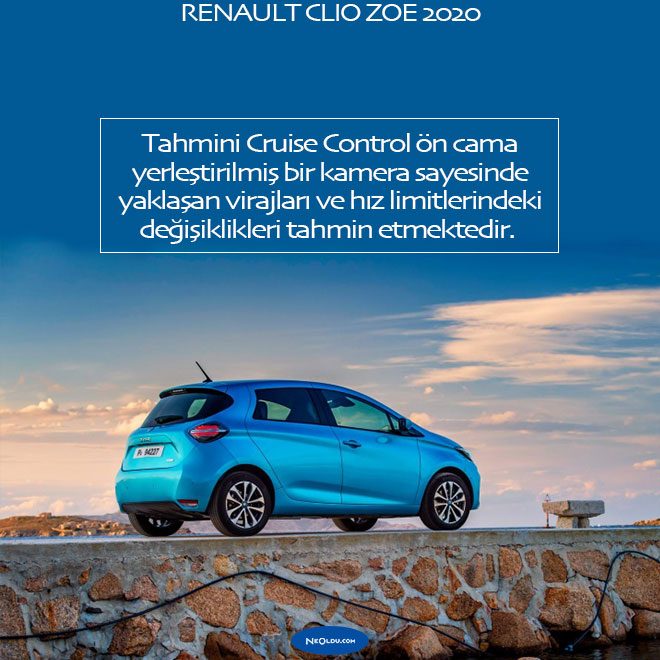
Renault Zoe 2020 активно використовує технологічні рішення, щоб зробити щоденні поїздки більш комфортними. Головна особливість? Предиктивний круїз-контроль. Це не просто підтримка заданої швидкості. Система використовує камеру, встановлену на лобовому склі для сканування дороги попереду. Вона зчитує геометрію дороги, виявляє майбутні повороти і навіть виявляє зміни обмежень швидкості до того, як помітить водій. Автомобіль самостійно вносить коригування і вам не потрібно натискати на педаль.
Безпека тут не є другорядним завданням. Остання версія включає функцію екстреної допомоги. Її можна порівняти з функцією сопілота на випадок непередбачених ситуацій. Якщо водій втрачає здатність керувати автомобілем, система може самостійно направити машину до безпечної зупинки. Вона зупиняє автомобіль, розблоковує двері та викликає екстрені служби. Це функція, яка захищає вас у ситуаціях, коли ви не можете захистити себе самі.
Стандартні системи допомоги водієві доповнюють комплектацію. Ви отримуєте систему утримання у смузі, яка м’яко коригує траєкторію, якщо автомобіль починає зміщуватися. Система контролю сліпих зон стежить за бічними просторами. Система автоматичного екстреного гальмування готова різко загальмувати, якщо ви не помітили перешкоди. Паркувальні датчики допомагають уникнути подряпин від бордюрів. Також в центральній консолі передбачена бездротова зарядка для телефону. Жодних проводів, що захаращують салон. Просто покладіть пристрій і вирушайте в дорогу.
Салон
“Модель 2020 року віддає пріоритет системам допомоги водію над розкішним оздобленням, наголошуючи на практичності та інтеграції функцій безпеки.”
Інтер’єр Renault Zoe спроектований із акцентом на функціональність. Компонування орієнтоване на водія. Все необхідне в межах досяжності. Цифрова приладова панель надає чітку інформацію про стан заряду батареї та запас ходу. Вона інтуїтивно зрозуміла та не перевантажена складними елементами.
Матеріали відрізняються міцністю та призначені для щоденної експлуатації. Вибір пластикових деталей відбиває електричну спрямованість автомобіля: вони легкі, але міцні. Положення сидінь вертикальне, оглядовість через лобове скло відмінна. Камера для предиктивного круїз-контролю розташована високо, що забезпечує безперешкодний огляд дороги.
Простір усередині салону практично. Запас простору для ніг задніх пасажирів цілком достатній для компактного хетчбека. Об’єм багажника трохи зменшено через розташування акумуляторної батареї під підлогою, але його все ще достатньо для покупок або спорядження для вихідних. Мультимедійний екран розташований у центрі. Він досить чуйний для навігації та управління медіа. Стандартне з’єднання Bluetooth дозволяє транслювати музику або приймати дзвінки без необхідності шукати кабелі.
Такі функції комфорту як двозонковий клімат-контроль доступні в деяких комплектаціях опціонально. Однак навіть базова модель забезпечує достатнє обігрів та охолодження для підтримки комфорту. Сидіння регулюються за висотою та нахилом, що підходить для водіїв з різними антропометричними даними.
Чи є автомобіль розкішним? Ні. Він ефективний. Кожен елемент є конкретної мети. Бездротова зарядка заощаджує простір. Передиктивні системи економлять паливо та заряд батареї. Технології безпеки рятують життя. Це машина, створена для сучасного міського середовища.
Водіння відрізняється тишею. Електродвигуни не видають гучних звуків. Ви чуєте тільки шум шин по асфальту та аеродинамічний шум на високих швидкостях. Всередині ж панує спокій, що допомагає знизити втому під час руху містом. Предиктивний круїз-контроль знижує потребу у постійних мікрокоригуваннях швидкості. Ви залишаєтеся розслабленим.
Технічне обслуговування мінімальне. Не потрібна заміна олії або свічок запалювання. Тільки заміна гальмівної рідини та ротація шин. Стан батареї контролюється бортовим комп’ютером, який регулярно оновлює інформацію про її статус. Автомобіль розрахований на тривалий термін служби. Renault націлена на довгострокову надійність у сегменті електромобілів.
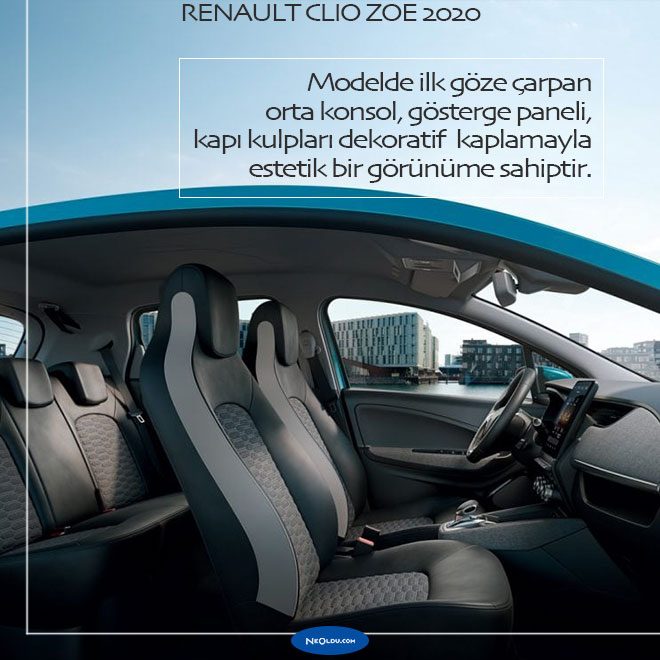
Це не просто рестайлінг. Це повна переробка. Зверніть увагу на лінії. Вони гострі. Цілеспрямовані. Renault Zoe 2020 року відмовляється від свого колишнього вигляду на користь набагато більш скульптурного вигляду.
Салон: Акцент на матеріали та комфорт
Відкриваючи двері, ви насамперед помічаєте зміну матеріалів. Передня панель була перероблена. Центральна консоль відчувається інакше. Ручки дверей оздоблені декоративними покриттями, які грають на світлі. Це вже не просто пластик. Це текстура.
Сидіння та ергономіка
Сидіння – це те, де автомобіль намагається завоювати ваше розташування. Комбінації шкіри та тканини забезпечують справжню підтримку. Але головна історія – це опціональна оббивка Ultra L&K. Це не просто сидіння. Це ергономічні капсули. За наявності функції масажу тривалі поїздки перестають бути тягарем. Ви отримуєте ширину там, де вона вам потрібна.
Практичність у компактному кузові
Не дозволяйте спортивному вигляду обдурити вас. Об’єм салону щедрий. Renault не пожертвувала простором заради стилю. Ви отримуєте багажник об’ємом 440 літрів. Це величезний показник для суперміні. Ви можете розмістити продукти, багаж чи гольф-клуби, не складаючи жодного заднього сидіння. Утилітарність відповідає естетиці.
Мова дизайну екстер’єру
Зовні історія досконалості схожа. Фари стали гострішими. Грати радіатора більш органічно вписані в лінії кузова. Тут менше привернення уваги і більше присутності. Пропорції виглядають стійкими. Приземленими.
“Renault Zoe 2020 року віддає пріоритет тактильній якості перед дешевим глянцем.”
Кожен вигин служить певної мети. Аеродинаміка відіграє тут величезну роль. Гладкі поверхні знижують опір повітря. Це потрібно не лише для краси. Це задля ефективності. Запас ходу електромобіля виграє від кожної деталі аеродинамічної оптимізації. Мова дизайну цілісний. Він відчувається як єдине ціле, а чи не як набір зібраних деталей.
Також змінилися варіанти кольорів. Найпоширенішими стали матові покриття. Стримані контрасти. Це виглядає дорого. Не помітно, але дорого. Це узгоджується з покращенням інтер’єру. Renault просуває Zoe у преміальний сегмент. Вони хочуть, щоб вона конкурувала з преміальними брендами, а не лише з бюджетними електромобілями.
Задній дизайн особливо чистий. Жодного візуального шуму. Тільки чисті лінії та інтегровані задні ліхтарі. Це сучасно. Мінімалістично. Це краще старіє, ніж завантажені зайвим дизайном задні частини.
Ключові висновки
- Повна переробка інтер’єру: Новий дизайн передньої панелі та центральної консолі.
- Преміальний багажник: 440 літрів вантажного простору.
- Варіанти сидінь: Оббивка Ultra L&K із функцією масажу.
- Аеродинамічна ефективність: Обтічні лінії знижують опір і збільшують запас ходу.
Renault Zoe 2020 відчувається зовсім іншим автомобілем. Це не просто оновлення. Це еволюція. І для покупців, які шукають преміальний компактний електромобіль, він раптово стає набагато привабливішим.
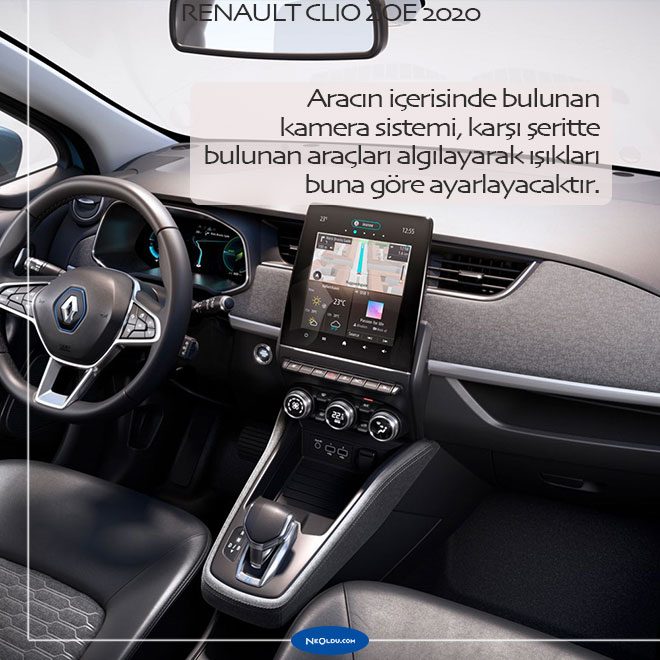
Інноваційне світлодіодне освітлення та зміни в легкому дизайні
Нова версія Renault Zoe, що зберігає свій відомий округлий силует, виходить на дороги з хромованими ґратами радіатора і більш вираженим переднім бампером. У чому полягає відмінність? Передні світлодіодні фари Renault Zoe. Це не просто естетичне оновлення. Система оснащена інтелектуальною базою, яка дозволяє далекому світлу фар завжди залишатися увімкненим. Мета полягає в тому, щоб підвищити безпеку водіння, одночасно запобігаючи засліпленню водіїв зустрічних автомобілів.
Передній бампер автомобіля на 13 мм довший, ніж у попередньої моделі. Ця невелика зміна у розмірах була розроблена для балансування аеродинаміки та видимості. Камерна система, встановлена всередині, виявляє автомобілі в сусідньому ряду та миттєво регулює напрямок та інтенсивність світлового пучка. На відміну від традиційних датчиків, це рішення, засноване на використанні камери, забезпечує чітку видимість дороги навіть у темряві, захищаючи водіїв зустрічного руху.
Інформаційно-розважальна система Renault Zoe
Переходячи до панелі приладів, можна помітити, що фокус водія тепер зміщується на екрани і можливості підключення.
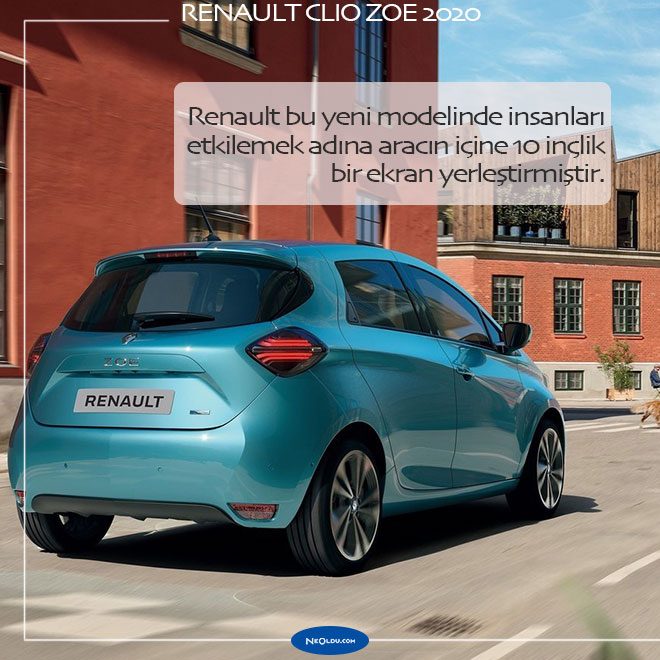
Технології, які дійсно працюють у Renault Zoe 2020 року
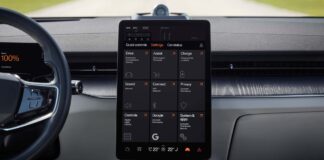
Більшість електромобілів відчуваються як смартфони на колесах, поки ви не розумієте, що мультимедійна система така ж громіздка, як модем із підтримкою dial-up. Renault Zoe 2020 ламає цей стереотип. У центрі консолі розташований 10-дюймовий екран. Він призначений не лише для краси. Ви отримуєте підтримку Apple CarPlay та Android Auto. Це означає, що навігація та музика з вашого телефону визначають весь досвід водіння. Автомобіль також підтримує підключення до Wi-Fi. Ви можете транслювати музику або використовувати мобільні дані, не підключаючи пристрій щоразу під час подорожі.
Характеристики потужності та зарядки
Це не автомобіль, що споживає багато палива. Renault Zoe 2020 працює виключно на електриці. Покупцям пропонувалося три варіанти батареї. Можна було вибрати акумуляторну батарею ємністю 30 кВт·год. Або версію на 41 кВт·год. Або вибрати максимальний варіант на 54 кВт·год.
Більш ємна батарея забезпечує заявлений запас ходу 400 км. Цього достатньо серйозних поїздок працювати. Але зарядка – це те, де все стає незвичним. Щоб отримати доступ до зарядного порту, необхідно зняти емблему Renault. За логотипом знаходяться два роз’єми для заряджання.
Використання стандартного бортового зарядного пристрою потужністю 7 кВт займає 9 годин та 25 хвилин для повної зарядки. Це не швидко. Але це дозволяє вам продовжувати рух. Електричний двигун розвиває 134 кінські сили. Крутний момент становить 245 Нм миттєво. Це розганяє автомобіль від 0 до 100 км/год за 10 секунд. Максимальна швидкість становить 140 км/год. Цього достатньо, щоб безпечно зливатись з потоком на шосе без зайвих зусиль.
Ціна та доступність в Туреччині
Renault офіційно представила цю модель у турецьких дилерських центрах. Її можна було купити новою у авторизованих продавців.
Стартова ціна для Renault Zoe 2020 року становила 350 900 турецьких лір.
- Renault Zoe: 350 900 TL
Цифри говорять самі за себе. Технології гідні. Запас ходу практичний жителям міста. Чи виправдовує ціна цей бренд залишається предметом дискусій на ринку автомобілів, що були у використанні.