



Summer is a double-edged sword for motorcycling enthusiasts. First of all, this is the best riding season. The roads are empty, the days are long and the asphalt is warm enough to keep. According to 2010 figures, 71% of all retail sales of new motorcycles and scooters take place between April and September. This is no accident.
But let’s face it. As the temperature rises, riding becomes a test of endurance. Standard protective gear is designed to protect against chafing and is often an oven suit. Encased in mesh and leather, while trying to stay alert and sweat profusely. Finding equipment that balances safety and practical comfort in the heat is notoriously difficult.
Most riders hang up their helmets until fall. Don’t do it. Check out these 10 accessories before storing your bike or, worse, riding without protection. Let’s start with the basics.
10: Hydration Bladder
Dehydration isn’t just unpleasant. This is dangerous. Riding on a hot day is a physical activity. You’re balancing, steering and fights against wind resistance. Your body burns calories and removes fluids faster than you think.
By the time you feel thirsty, it’s already too late. Dizziness, dry mouth and fatigue are late warning signs. You need to stay hydrated before a crisis occurs.
A hydration bladder solve the drinking water problem. This is a container that is usually carried in a backpack or attached to a bike and is connected to a tube that extends into your mouth. without taking your hands off the grips. Fill it with water, ice water or an electrolyte-rich sports drink.
Avoid caffeine and alcohol. Both are diuretics. You lose more water than you take in, which increases dehydration. If you don’t like the layout of the backpack, a secure water bottle holder can also be useful. But your bladder can keep you drinking.
9: Windshield
Wind is your friend on cold mornings. This is your enemy in July. A fast headwind forces you to tense up your shoulders and neck to maintain control. This tension traps body heat. Hot air is also pumped into the helmet to cooking your head.
A proper motorcycle windshield, it changes the dynamics of the airflow. It directs most of the wind above and around you. The result? Less physical strain. Less heat buildup inside the helmet. And significantly less fatigue on long summer rides.
Not all windshields are the same. You need one designed for your specific bike model. A poorly fitted screen can cause turbulence and cause the bike to shake at high speeds. But if you do it right, your neck will thank you. The head stays cool. Your attention always remains sharp.
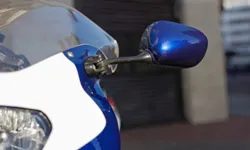

Windscreen and Aero Add-Ons
A windshield does more than just keep the wind out of your face on cold nights. They manage airflow around the rider to cut down on aerodynamic drag. On hot summer days, the short windshield allows the wind to hit you directly, stopping you from cooking in stagnant air.
You can make adjustments if you want. Depending on your installation, you can use the movable brackets to manually tilt the glass. The others are powered, and the angle can be adjusted with a button on the handlebar.
Honda Gold Wing owners can get a specific upgrade: Air Wings. These are adjustable fins that attach to the side of your bike. You can adjust the angle to increase or decrease the airflow. It also allows the heat from the engine and radiator to leave your body.
Lightweight Jacket
Clothing brands sell leather jackets with a removable lining for multi-season use. However, if most of your mileage is spent in warm weather, skip the heavy gear. Invest in a nylon mesh jacket or something similar.
Look for vents with zippers. Open to maximize airflow. Close them when the temperature drops. One-piece suits are suitable for cold weather. They use waterproof materials and have minimal ventilation.
Lightweight jackets are not as durable as cowhide. They still protect you. Most include padding in the shoulders, spine and impact points. These are in accordance with European certification standards. Safety is never sacrificed for breathability.
Ventilated Gloves

Leather gloves can protect against the cold in winter, but the same thickness will turn your palms into an oven in July.
A hybrid approach is needed. Look for mesh or perforated panels across the knuckles. The leather stays in the palm of your hand. This setup does two things. Cools the skin by changing the air flow. It also dampens handlebar vibration and protects your hands if you drop the bike.
Carbon fiber is the standard material for the knuckle protection of this glove. It is as strong as steel but weighs almost nothing.
“Always use gloves designed for motorcyclists. Never substitute golf or batting gloves, and never use open-fingered gloves.”
You might wonder why you don’t wear cut-resistant cycling gloves. Provides breathability and some protection. The answer is impact. The motorcycle’s equipment has been tested for abrasion and impact. Golf gloves can shred on asphalt. Open gloves expose the fingertips to wind and debris.
6: Breathable pants
The warm weather pants use the same logic as the jackets we covered. Light and breathable fabric. A perforated or vented panel used to allow air to pass through.
It’s more than just breathable shorts with a zipper. Knees and hips require reinforced padding. This reduces the force of the collision. Most pairs include CE armor. It meets certain European shock absorption safety standards.
Some brands are even more advanced. They included Kevlar in high impact areas. A durable, lightweight fiber that is also used in cold weather cycling clothing.
Choosing the color of trousers and jackets is often confusing. Many riders believe that lighter colors keep them cool.
“The reality is, you might have a slight advantage when you’re stopped at a street light, but when you’re going 65 miles per hour, black isn’t any hotter than silver or gray,” says Jordan Pryce Levitt of REV’IT!. Sport USA.
So use something that looks good. Airflow is more important than color.
5: Base layer
This is something most riders overlook. They throw on a cotton t-shirt and wished for good luck.
Cotton absorbs sweat. It stays moist. It chafes. After three miles it gets miserable.
Synthetic or merino wool is needed for the base. These materials move moisture away from the skin. It dries quickly. They sit under your protective gear so it’s not bulky.
Look for flatlock seams. These reduce friction points. Your shoulders and inner thighs will thank you.
Merino wool is expensive. It is very good at regulating body temperature. Fights odors. It can be used for several days without washing.
Synthetic options are cheaper. It dries faster. Durability decreases over time.
Choose one. Just don’t go for cotton.
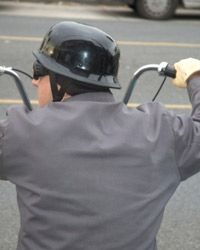

Base layer suitable for cycling
Most people think of base layers as underwear. They aren’t. Use sweat-wicking fabrics under the jacket to wick moisture away from the skin and speed up evaporation. You can buy long-sleeved tops and matching bottoms or one-piece suits that look like surfer wetsuits.
Sports brands make similar gear for runners and cyclists. Motorcycle base layers are different. Cut according to the rider’s position. The back and sleeves are long, so you can cover you when bending over. Perforated panels are often added to increase airflow. If you’re racing, a good base layer will help you slide into your race suit without chafing.
4: Breathable boots
Waterproof leather suitable for cold and wet weather. ventilation and breathability become even more important in hot weather. Choose boots with a mesh construction. Look for vent panels on the sides to allow air to pass through. A breathable fabric lining is essential.
Boots must cover the ankle. Non-slip soles are not negotiable. Wear socks made of a synthetic blend that absorbs sweat. Moves moisture away and keeps feet cool. Don’t wear sneakers on the hottest days. It offers little protection in the event of a crash.
3: Helmet
The only thing between your brain and the asphalt is your helmet. In summer, heat management inside the case is just as important as crash protection. Look for models with extensive ventilation channels, including front, top and rear exhausts that create an chimney effect.
Cheek pads and lining made of moisture-wicking material prevent sweat from entering the eyes. Many modern helmets have removable and washable liners, a hygiene necessity when riding in 90 degree temperatures.
Remember to check the fit. If the helmet is too loose, it will move during a crash. If it’s too tight, you’ll get a headache before you even left the driveway. The chinstrap should be tight enough that your fingers can’t slip through it, but not so tight that it pinches your jaw.
The most important thing is to make sure that the helmet meets current safety standards. DOT, ECE or SNELL certification is the benchmark. Don’t skimp here. No amount of cooling air can make up for a cheap and cracked case.
“A helmet’s primary function is to protect your life. Its secondary function is to keep you comfortable enough to stay focused.”
Consider your face shield or visor type. Dark visor reduces glare. The Pinlock system prevents fogging, which is a big problem in humid conditions. If you ride frequently, a second visor can save you time and stress.
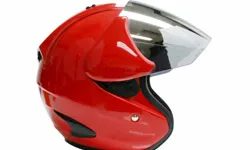
Helmet Thermal Reality Check
Let’s start with hard statistics. A 2005 National Highway Traffic Safety Administration report revealed the hard truth: helmets are only 37% effective in preventing fatalities. That number is small enough to give riders pause. Despite these challenges, however, most states still have laws mandating the use of helmets. Compliance is not optional. This is mandatory.
Proper equipment is essential, especially when wearing a helmet in hot conditions. A full-face helmet with a flip-up visor is essential to protect you from debris and bad weather. However, breathability is just as important as impact protection. Look for a helmet that is breathable or has a removable liner. Trapped heat can kill people faster than the shock itself.
Keeps you cool without overheating
How do you manage your body temperature when your head is covered in foam or plastic? Start before turning the key. Wet your hair with water before every trip. Sounds very original. it works.
Some people may be concerned about insulation. A 2008 study published in the British Medical Journal settled this debate. Only 10% of body heat is lost through the head. The body lifts very heavy objects. Dismiss the myth that helmets are the main cause of overheating.
Evaporative cooling vest
If wetting your hair isn’t enough, go to a construction site. In the heat, workers rely on evaporative cooling vests. These are not expensive tricks. Soak it in water and wear it under your riding jacket. The jacket needs good ventilation and airflow to function properly. As the water evaporates, your body’s core temperature drops.
Don’t have your own vest? An ordinary wet T-shirt can achieve a similar effect. However, there is a problem. If you go the t-shirt route, it’s a good idea to wear it under a mesh jacket. Constant wear and tear can damage other riding equipment. Keeps expensive leather dry.
Neck cooler
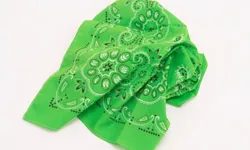
Examination of the neck
Forget helmets for now. The neck is the most exposed and vulnerable part of the body. Not covering up while riding can lead to sunburn and windburn, which can increase the risk of skin cancer over time.
But there are physiological reasons for beauty and safety. Covering your neck can help regulate your body temperature. The carotid artery runs along the side of the neck. By keeping the area cool, blood flow to the brain can be cooled. This is a simple heat exchange trick that can prevent hyperthermia for long hot periods.
DIY Cooling Gear
You don’t need to buy expensive high-tech cooling scarves that promise to stay wet for days. They exist. They cost money. They are fine. But a short trip? A simple cotton scarf can have the same effect.
Soak it. Squeeze it out. Drape it over the back of your neck. The evaporation does the heavy lifting.
Bring a small spray bottle filled with water. Or plan your stops around rest areas where you can resoak the cloth. When the fabric dries, the cooling effect disappears. Wet fabric is your friend. Dry fabrics retain heat.
The Expert Trap
As you prepare and get going, expect the social dynamic to change. Riders are a curious bunch. If you look prepared and know what you’re doing, people will start asking you questions.
You will be asked about the tire pressure. They will ask about hand signals. They ask why you look so cool baking in your gear.
You become a source of information. This is not a burden. It’s a rite of passage. The basics of neck protection have already been understood. You have the cooling hack. You are ready.
The next step is when you go from a rider who follows the rules to a rider who understands the machine. You will need to dig into the mechanics. suspension geometry. The torque curves. Model-specific service intervals.
Until then, cover your neck. Keep a water source nearby. And be prepared to explain why you’re wearing a scarf in July.


