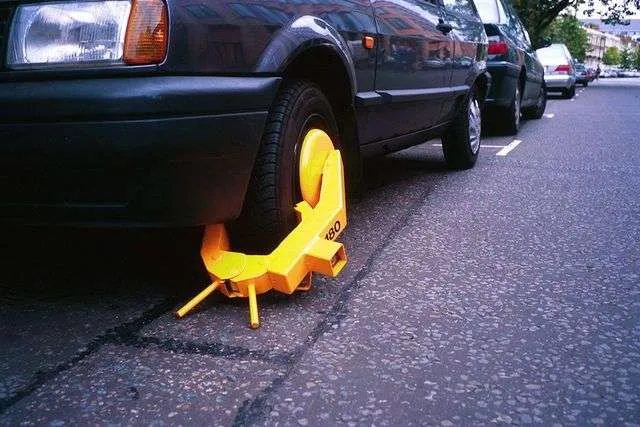
There is a specific kind of panic reserved for the moment you realize your parking meter is about to expire. You jog. You sprint. You pray for one more coin. But then you see it. A massive metal clamp latched onto your rear tire. The boot.
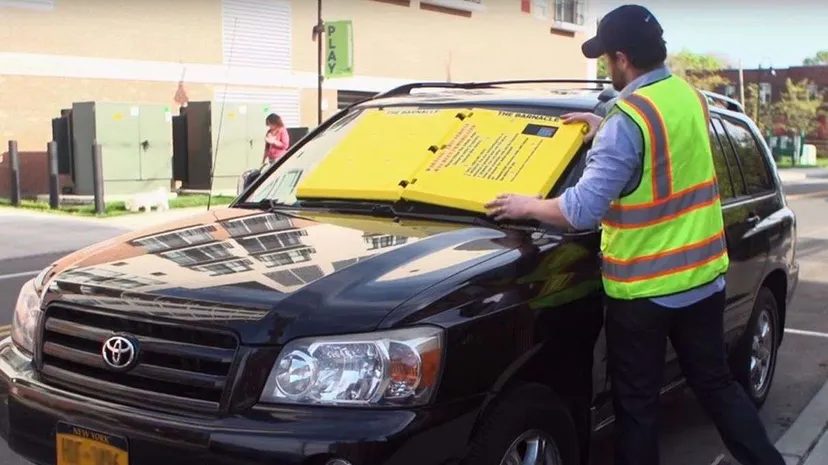
For decades, this has been the standard for parking enforcement. It is heavy. It is cumbersome. And it requires an officer to kneel in traffic to install it. Enter the Barnacle from Barnacle Parking Enforcement. It is a flat immobilization device that uses industrial-strength suction cups to adhere to a windshield.
The concept is simple. Stick it on the glass. Block the view. Stop the car from moving.
Unlike a wheel boot, which physically restricts rotation, the Barnacle relies on visibility and audio deterrence. If you try to drive away with it attached, you have no rear visibility. You are effectively blind. Furthermore, the device sounds an alarm if the vehicle moves from its parked position. It is harder to hide than a wheel clamp. You cannot easily cover a suction cup with a piece of cardboard while driving down the highway.
The creator positions this as a more efficient alternative to traditional wheel boots. The weight difference is significant. The Barnacle is lightweight and folds flat for stacking. Officers can carry dozens of them. Installation takes seconds. There is no hunching over. No kneeling in the path of moving cars. Just a slap against the glass and a click.
Payment is integrated directly into the hardware. A keypad and credit card swipe are built into the unit. Pay the fine. The lock disengages. The driver drives off. Parking enforcement does not need to return to the scene to issue a release form. This cuts down on administrative time and reduces the number of officers needed for high-volume zones.
There is a catch, however. You must return the device.
The system relies on a predetermined drop-off point. If you remove the Barnacle to pay, you still owe the fine for the lost or unreturned hardware. If you leave it behind, you might end up booted again. The loop is closed, but the responsibility shifts to the driver to dispose of the clamp properly.
Ace Ventura made it look easy in South Florida. His shot-up car cruised with his head out the window. The Barnacle makes that maneuver significantly more difficult. It is not just about blocking the view. It is about the alarm. It is about the immediate, audible confirmation that you are in violation.
This technology targets the cost and hassle of the old boot system. But does it solve the root problem of unpaid parking? Or does it just make the enforcement process faster and less dangerous for the officers involved? The device is here. The suction cups are strong. The alarm is loud.
The Denver Boot Myth
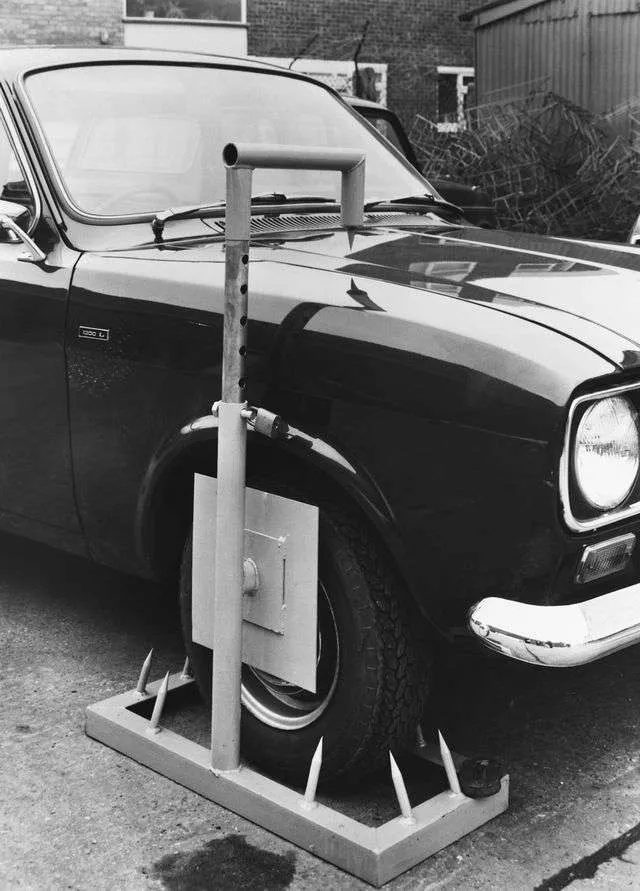
The wheel clamp you see on a stolen or unpaid parking ticket isn’t just generic hardware. It has a specific name. A origin story. Most people in the States call it a Denver boot. They say that’s what you call that heavy-duty metal clamp that wraps around a tire and stops you from moving.
The name stuck. It’s everywhere. But is it accurate?
Mile High City claims the title. Denver was the first US municipality to deploy these immobilization devices. They started using them in the early 1900s. The city wanted a way to deal with parking violators who didn’t pay their fines. They needed something physical. Something that caused immediate inconvenience.
The device works by locking around the wheel. It prevents rotation. The driver can’t leave. They have to call a tow truck. Or pay the city.
Why do we still use the name? Brand recognition. Once a name takes hold in pop culture, it’s hard to shake. People don’t care about the history. They just want to know what that iron thing is called.
Other cities have their own slang. You might hear “auto-clip” in some areas. Or just “wheel clamp.” But Denver wins the semantic war.
Think about it. You see the clamp. You feel the frustration. You remember the name. Denver boot. It’s not just a description. It’s an experience.
The history is simple. The enforcement is complex. The name is permanent.
So next time you’re stuck in the snow with a clamp on your wheel, you know where the term came from. It’s not just about the cold. It’s about the city that started it all.