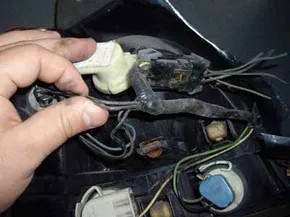
Most of the time, swapping out a dead brake light socket is just a matter of pulling the plug and shoving a new one in. Simple. Plug and play. But sometimes the rot goes deeper. You might have to replace the wiring harness itself if the insulation has cracked or the connectors have melted.
If you’re handy with a soldering iron and heat shrink, you can strip the wires from the old socket and solder them directly onto the new one. It’s intricate work though. Most people don’t bother with that level of precision. Instead, they cut the old wires, check the wiring diagram, and splice the new socket into the existing line. It’s faster. It’s messier, but it gets the job done.
The center high-mounted stop light (CHMSL) is a different beast entirely. Usually mounted on the rear deck or the glass itself, these lights have moved on from traditional incandescent bulbs. Modern cars mostly use LEDs. Some models offer a simple plug-in replacement for the whole unit. Others? You’re looking at rewiring each tiny LED component individually. It depends entirely on the make and model of your car. Check the service manual before you buy anything.
Grounding is another area where things can get tricky. Some vehicles use a common ground for all brake lights. Others route a separate ground wire to each bulb and socket. If you’re just swapping bulbs, this usually doesn’t matter. But when you’re dealing with sockets and wiring harnesses, proper connection handles the grounding for you. Just make sure the contact is solid.
Want to keep these lights working longer? Apply dielectric grease to the socket contacts before installing the bulb. It’s a non-conductive grease. It seals out moisture and stops corrosion from eating away at the electrical contact. It’s a cheap insurance policy that saves you time later.
Understanding Brake Light Grounding and Wiring
Brake light circuits vary by manufacturer. Some systems use a common ground, meaning all bulbs share a single path to the chassis. Others use separate ground wires for each bulb. This distinction matters when you are replacing sockets or repairing wiring. If you connect the lights and sockets correctly to the harness, the ground is typically handled automatically. But if you are splicing wires, double-check your diagram. A loose ground can cause dim lights or total failure.
The CHMSL Factor
The center brake light often uses LEDs rather than incandescent bulbs. Replacement strategies differ widely. Some vehicles allow a direct plug-in swap of the entire assembly. Others require individual LED socket rewiring. Consult your vehicle’s specific service data. Assuming a universal plug will lead to wasted time and money.
Maintenance Tip: Dielectric Grease
Applying dielectric grease to bulb sockets prevents corrosion. This non-conductive lubricant seals out moisture and extends the life of the electrical connection. It’s a simple step that reduces future repair frequency.