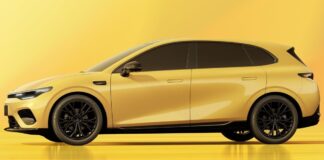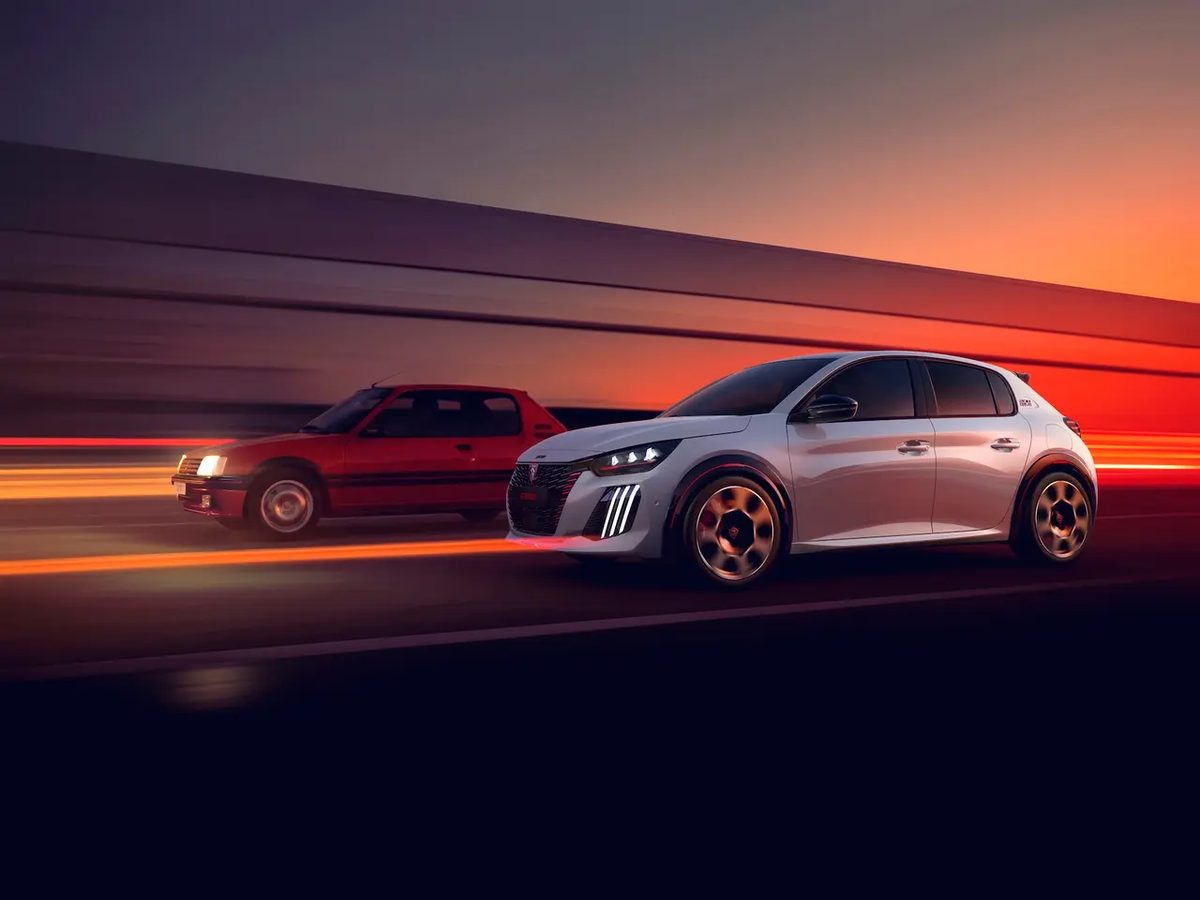
Peugeot just opened pre-orders for the new E-208 GTi. This move lands just weeks after Volkswagen confirmed it is cooking up an electric ID.Polo GTi. Both brands are tackling the same brutal problem. They need to keep the soul of a small hot hatch alive. The internal combustion engine is vanishing. It is not coming back soon.
Reviving a Ghost
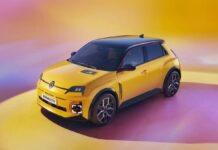
The E-208 GTi isn’t just a tweaked version of the standard electric city car. Peugeot is explicitly dragging the GTi badge back from the dead. That nameplate left with the 308 GTi. Now it returns to its roots. The brand is leaning heavily on the legend of the 205 GTi. That car defined a generation of drivers who cared about steering feel and chassis balance more than 0-60 times.
Performance as the New Power
Peugeot knows electric cars can be fast. Any hatchback can do 30 mph in under four seconds. But speed isn’t the point here. It is about handling. It is about the connection between the driver and the road. The E-208 GTi aims to make you forget the smell of gasoline. It wants to replace that visceral experience with electric torque and razor-sharp steering response.
The competition is real. The ID.Polo GTi will arrive eventually. But right now, the baton is in Peugeot’s hands. They are betting that enthusiasts will trade exhaust notes for instant acceleration. They are betting that the “GTi” label still means something in a zero-emissions world.
Why This Matters
Most electric city cars are boring. They are appliance-like. You press a button. You arrive. The GTi versions change the equation. They add stiffer suspension. Heavier steering racks. Lower ride heights. They turn a grocery getter into a weekend canyon carver.
Enthusiasts have been waiting for this moment. The small car segment is shrinking. But the desire for affordable, fun-to-drive machines hasn’t. Peugeot and Volkswagen are trying to fill that void. One with French flair. One with German precision.
The Real Challenge
Preserving spirit is hard. Electric vehicles lack the mechanical feedback of a gas engine. There is no engine braking. No shifting. Just linear power delivery. Peugeot’s job is to simulate that engagement. To make the driver feel involved. The E-208 GTi needs to prove that an electric car can still be a “driver’s car.”
If it fails, the GTi name becomes just another marketing sticker. If it succeeds, it might save the hot hatch tradition. The stakes are high. The clock is ticking. And the first orders are already being placed.
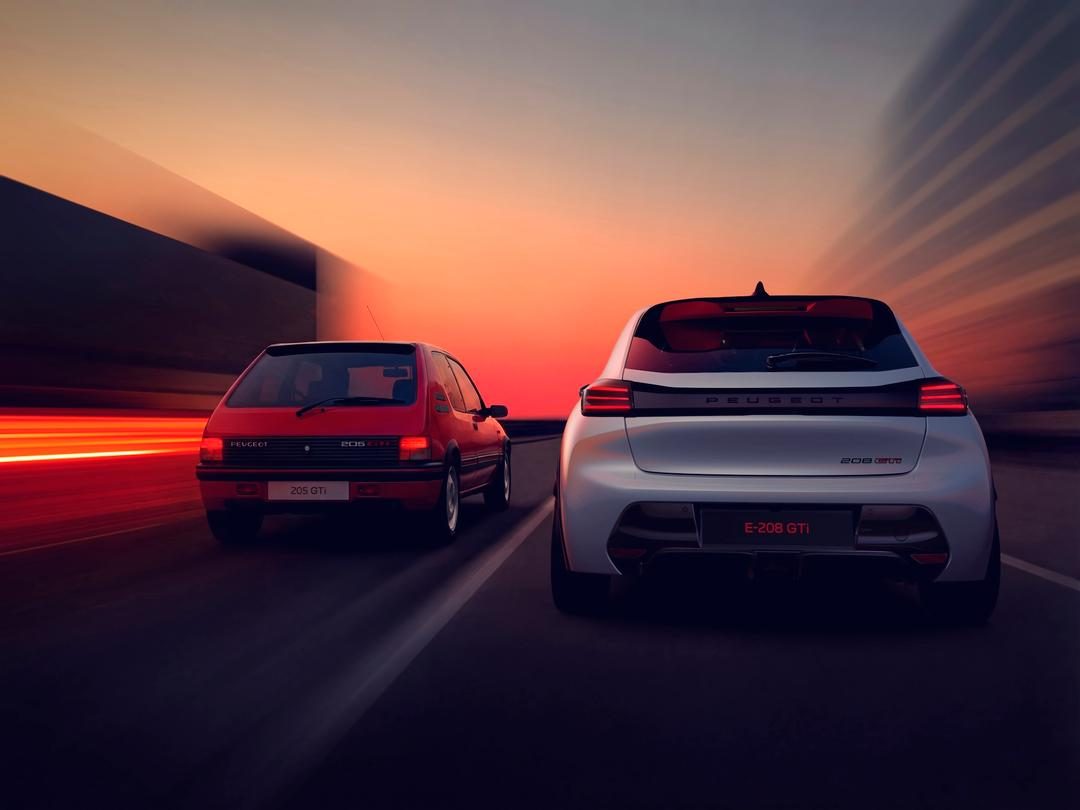
281 horsepower. 345 Nm of torque. The numbers aren’t just good. They are aggressive for this segment. Zero to 100 km/h in 5.5 seconds flat. That makes the all-electric Peugeot E-208 GTi the fastest city car in its class. The battery is 54 kWh. Range hits 375 kilometers under the WLTP cycle. Not bad for a small hatchback.
But Peugeot didn’t just slap a big motor in there and call it a day. The engineers got to work. They lowered the ride height by 30 mm. Widened the track. Installed a limited-slip differential. The goal was specific. Recapture the driving sensations that built the GTi reputation.
How does the E-208 GTi handle compared to gas predecessors?
The chassis changes are where the magic happens. Lower center of gravity. Wider stance. Mechanical grip. It’s an attempt to mimic the soul of a combustion GTi. But can hardware compensate for the loss of engine noise?
“The objective is clear: recreate the driving sensations that defined the GTi legacy.”
Electric GTi vs. traditional sporty cars
Volkswagen dropped the news on their electric ID. GTI just days before Peugeot’s announcement. Both brands reached the same conclusion. Small gas engines are dying. Regulations are killing them. So how do you keep the fun? Instant torque. Low weight distribution from the battery pack. Precise steering.
These are the new selling points for compact sports cars. The philosophy has shifted. Decades ago, a GTi meant a howling engine. A sticky manual gearbox. Mechanical feedback through the steering wheel. Those three pillars are gone. In their place is silent acceleration.
Will purists accept the electric GTi?
This is the real question hanging over the Peugeot E-208 GTi. You can engineer handling to feel sharp. You can tune the suspension to bite. But you can’t code the smell of gasoline. You can’t synthesize the mechanical connection of a revving VTEK or turbo spool.
The E-208 GTi is fast. It’s clever. It’s technically superior in a straight line. But the soul? That’s harder to quantify.
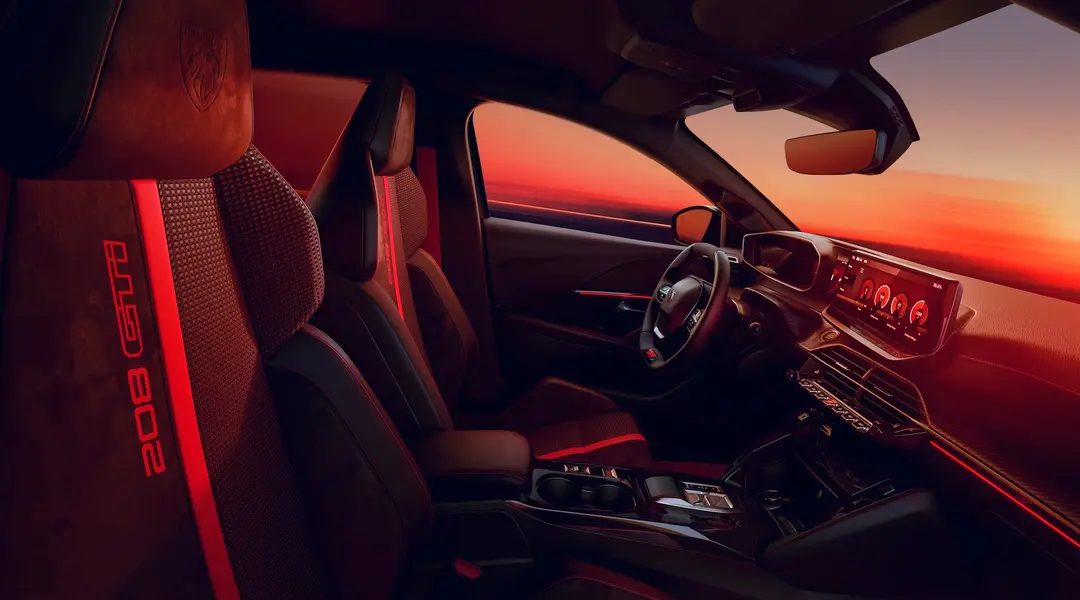
The 300hp reality check
For the new wave of drivers, raw performance is the new love language. And it works. With nearly 300 horsepower arriving instantaneously, the acceleration punch in modern electric hot hatches already outclasses many older internal combustion sports cars. The numbers don’t lie. They just feel different.
Where the soul went missing
But for the old guard, this isn’t evolution. It’s a rupture. A GTi was never just a spec sheet. It was a sensory experience. You lived it through redline climbs, mechanical gear shifts, and a character that felt alive under your hands. That mechanical honesty is gone. Replaced by silent torque.
Why VW and Peugeot bet on the change
Both Peugeot and Volkswagen seem convinced that the GTi nameplate can’t survive in its original form. They believe the only way forward is to accept the transformation. To let the battery replace the gearbox. The question hanging in the air isn’t about engineering. It’s about psychology. Will we accept this? Will we redefine what makes driving fun?