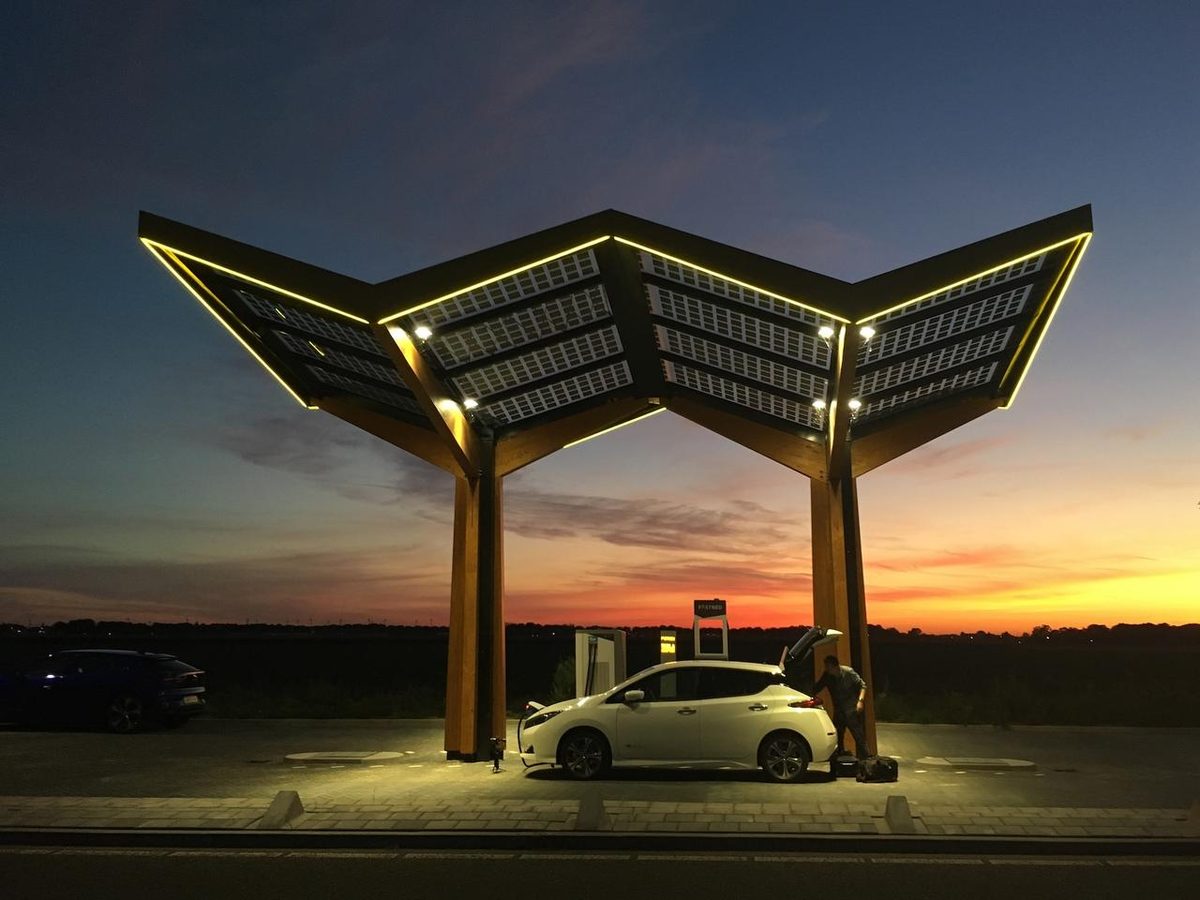
The friction of electric vehicle ownership has always been a software problem. You drive up to a charger. You scan a QR code. You download an app. You pay. Then you drive fifty miles. You need to charge again. You have to download a different app. It is tedious. It kills the romance of road trips.
Now, the big players are tired of it.
Atlante, Electra, Fastned, and Ionity have formed the Spark Alliance. This is not a merger. These companies remain independent competitors. But they have agreed to stop playing hardball with interoperability. The goal is simple: one network feel, across a fragmented continent.
Building the Largest Unified European Charging Network
The scale of this coalition is what makes it dangerous to the status quo. We are talking about 1,700 charging stations and 11,000 charging points spread across 25 countries.
This creates the largest unified public charging network in Europe. For the driver, the mechanics of access change overnight. You no longer need a wallet full of RFID cards or a phone with twenty different charging apps installed. You use your member app. Any member app works at any station.
The applications themselves are syncing up. When you open the app, you see the entire network. Planning a trip from Lisbon to Stockholm becomes a single-thread task. You look at the map. You see the available spots. You go.
Why This Matters for Long-Distance EV Drivers
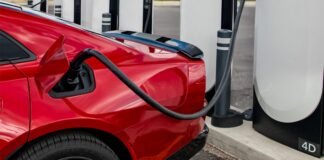
The hardware is impressive. We are seeing ultra-fast charging capabilities up to 400 kW at select sites. This is not Level 2 trickle charging for your apartment garage. This is high-power DC fast charging designed to get you back on the road in twenty minutes.
The strategic intent is to remove the anxiety that keeps people buying internal combustion engine cars. If charging is transparent, if it is predictable, the barrier to entry drops.
“This initiative aims to remove obstacles to electric vehicle adoption by making charging more accessible and transparent.”
The Tesla Omission
There is a glaring hole in this alliance. It is the biggest hole in European EV infrastructure.
Tesla is not here.
The Supercharger network is the gold standard. It is ubiquitous. It is near highways. It works. By excluding Tesla, the Spark Alliance leaves out the network that most non-Tesla EV owners rely on for peace of mind.
Does this matter? For drivers using Nio, Mercedes, Audi, or BMW? Probably not. They are locked into the existing ecosystem. But for anyone considering an electric future without committing to a single brand, the absence of Tesla is a reminder that Europe is still fragmented.
The Spark Alliance is a step toward a seamless experience. It is a pragmatic solution to a messy reality. It removes the app friction. But it does not solve the infrastructure war. The roads are still a battleground. The chargers are just getting bigger.