The French auto market took a nose dive in 2024. It was a rough year for sales, but the second half of that same year hinted at a lifeline. A wave of new electric models arrived just in time to potentially kickstart growth in 2025. But don’t expect a free ride. The government is tightening the purse strings. The ecological bonus—the cash rebate for buying green—is shrinking. The trade-in premium for scrapping old gas guzzlers is gone. Manufacturers will have to fight tooth and nail to keep their share of the pie.
The Hybrid Surge vs. Electric Stagnation
While the overall market contracted, one segment refused to die. It thrived. Hybrids are having a moment.
In 2024, France registered 735,297 new hybrid cars. That is a massive 23.5% jump from the previous year. Consumers are clearly signaling their preference. They want a bridge between traditional combustion and full electrification. They aren’t ready to let go of the gas tank entirely, but they want lower running costs and tax benefits.
The hybrid category is broad. We are talking about mild hybrids (mHEV), full hybrids (HEV), and plug-in hybrids (PHEV). All three flavors are gaining traction. Meanwhile, pure internal combustion engines are quietly disappearing from many manufacturers’ lineups. The shift is structural.
Why Electric Sales Slipped
Electric vehicles (EVs) told a different story. They stalled.
Total registrations hit 290,610. That sounds like a lot until you realize it represents a 2.6% decline year-over-year. Why the drop? The reasons are stacked against buyers.
- High upfront costs. EVs remain expensive to buy.
- Infrastructure gaps. Charging networks are still insufficient in many regions.
- Policy uncertainty. Buyers don’t know what subsidies will look like next year. The shrinking bonus creates hesitation.
The 2025 Outlook: What Will It Take to Move Metal?
So, what does this mean for the rest of 2025? The market isn’t dead. It’s just changing its mind.
The arrival of new electric models in late 2024 suggests manufacturers are betting on product strength to overcome policy headwinds. But product alone won’t be enough. With the financial incentives vanishing, brands must differentiate.
How Buyers Are Choosing Between EV and Hybrid
When looking at which car to buy, the equation has changed. It is no longer just about CO2 emissions. It is about total cost of ownership and convenience.
Hybrids offer:
– No range anxiety.
– Lower electricity bills (for PHEVs).
– Immediate tax advantages.
Electric vehicles offer:
– Zero emissions at the tailpipe.
– Simpler mechanicals (fewer moving parts).
– Future-proofing against potential ICE bans.
The key question now is not if buyers will switch, but how fast. The hesitation is palpable. Until the charging infrastructure catches up to the number of plug-in cars on the road, the hybrid will remain the safe
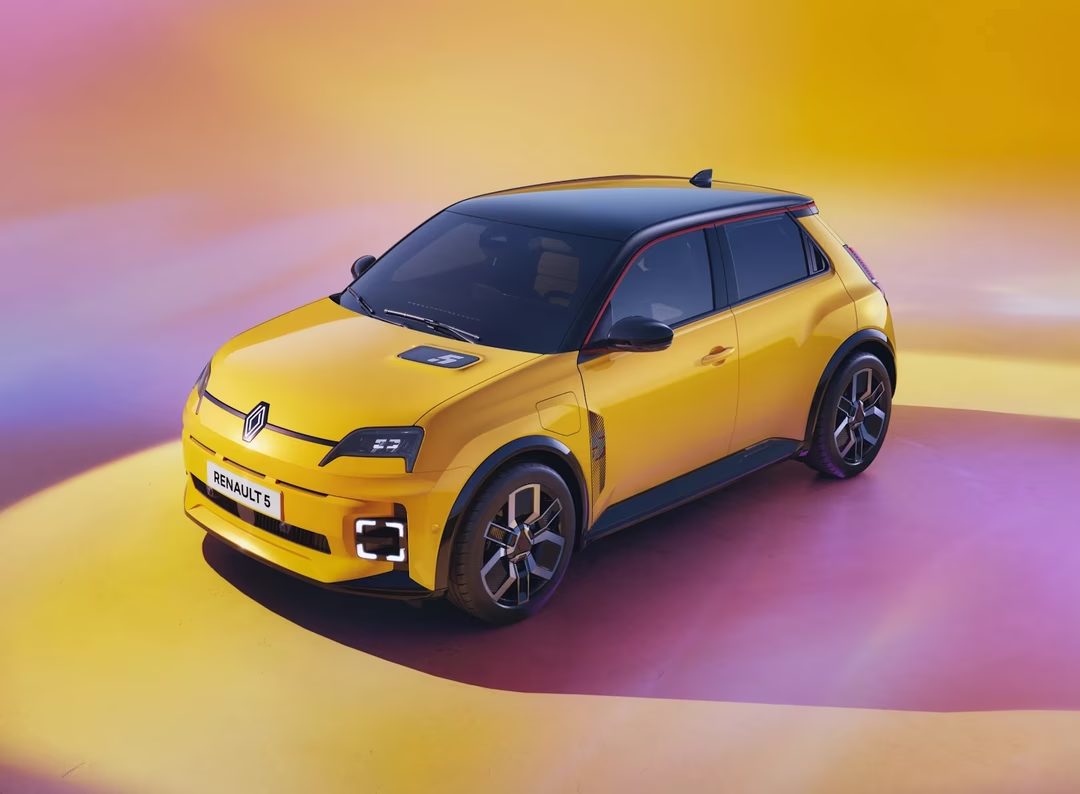
The electric vehicle landscape in Europe is shifting rapidly, but it is not without its growing pains. Renault’s strategic overhaul is a prime example. The discontinuation of the Zoe last spring and the delayed arrival of the Renault 5 E-Tech until year-end have certainly skewed recent sales figures. European manufacturers are redoubling their efforts to flesh out their electric lineups.
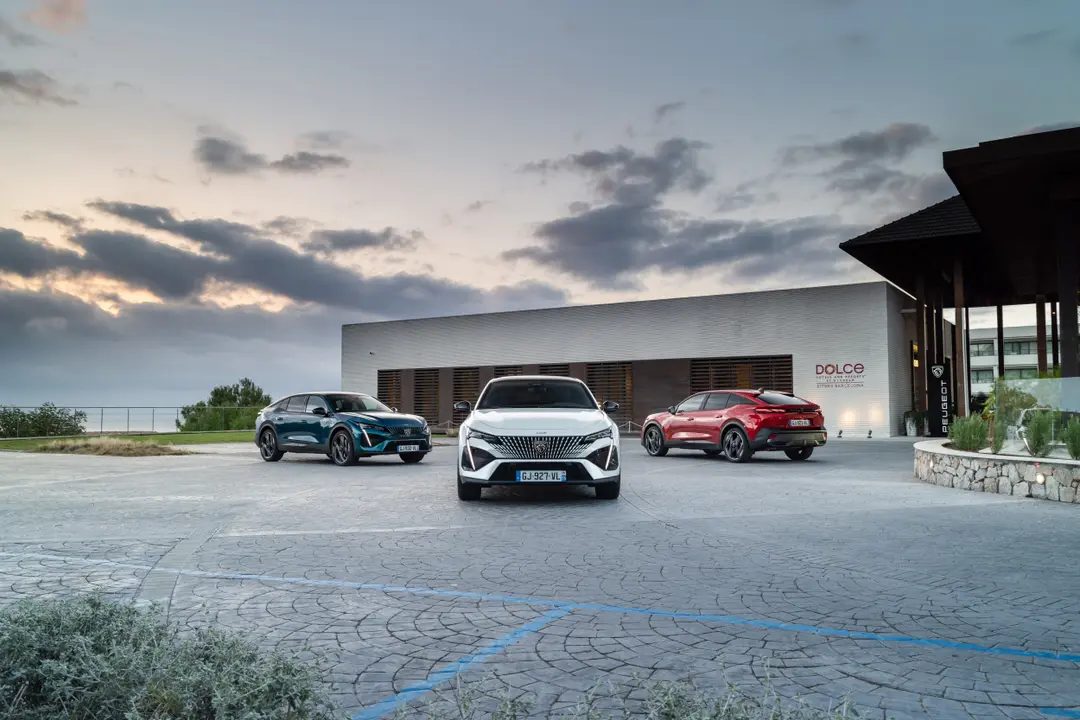
The strategy is diversification. It is no longer just about small hatchbacks. We are seeing new SUVs like the Peugeot e-5008 and the redesigned Renault Scenic E-Tech. But the big move is into new segments. Peugeot is pushing the e-408 sedan. Meanwhile, German engineering is entering the touring space with the ID.7 Tourer and the upcoming Audi A6 Avant e-tron. This isn’t just about filling slots. It’s about capturing buyers who want range and utility.
The French Market Underperforming
France tells a different story. The numbers are stark. In 2024, new car registrations for passenger vehicles hit 1,718,442. That is a 3.2% drop compared to 2023.
Worse still is the long-term view. Compare 2024 to 2019, pre-pandemic levels, and you see a massive 22.4% decline. That represents roughly 500,000 fewer vehicles sold. The market failed to recover from that deficit.
A slight 1.5% uptick in registrations at the very end of the year was not enough. It did not compensate for the accumulated losses. The French auto market is struggling to find its footing in this transition.
Europe Is Not One Market
France is an outlier. Other major European markets are handling the shift better. Germany and Italy saw only minor dips.
- Germany : -0.2%
- Italy : -0.4%
Spain, however, bucked the trend entirely. The Spanish market grew by 5.1%.
These figures highlight a clear divergence. The French market is uniquely fragile in this context. While neighbors stabilize or grow, France continues to bleed volume. The transition to electric is happening everywhere, but the pace and success vary wildly by border.
What This Means for Buyers
If you are looking at these new models, you are entering a fragmented market. Supply chains are adjusting. Model cycles are overlapping. Renault is trading old for new. Peugeot is expanding its sedan presence. Audi is expanding into the wagon segment.
The French buyer might be hesitating. The economic headwinds are real. But the product range is expanding. The question is whether supply will drive demand or if French consumers remain stuck in a holding pattern.
The rest of Europe suggests demand exists. Germany, Italy, and Spain are proving it. France just needs to catch up. The electric future is here, but its shape depends heavily on where you stand.
New car orders: the leasing social bump
New car orders hit 1,687,439 units in 2024. That looks like a 3.1% rise from the previous year. It is a pretty headline number. But look closer. The surge is largely thanks to the social leasing program.
This initiative alone generated 50,000 extra orders in January. Take that away. The real organic growth was just 0.05%. Nearly flat. The market wasn’t growing. It was being propped up by a policy intervention.
The registration gap
Orders didn’t match registrations. The gap sat at 1.8%. Why the lag?
Delivery delays are part of it. But consumer hesitation is the bigger factor. French buyers are cautious. Economic instability weighs heavy. Political uncertainty adds to the mix. Prices for new vehicles keep climbing. Government subsidies are shrinking. People are pulling back. They are waiting for clarity. Or a better deal.
Powertrain performance: hybrid surge
The year was mixed. Traditional internal combustion engines saw a significant drop. Sales of pure gas and diesel cars are clearly stalling.
Hybrids told a different story. They experienced sustained growth. Buyers are transitioning. They want efficiency without the range anxiety of full electric. Electric vehicles, meanwhile, stagnated. No significant gains. No massive losses. Just a standstill.
What’s next?
Uncertainties remain. Economic and political factors continue to influence purchasing decisions. The outlook for 2025 is cautious. Markets are volatile. Consumers are watchful. The next move isn’t clear.