You probably never look at them. That’s fine. They are small. Inconspicuous. Buried under the axle where the sun doesn’t hit and the mud sticks. But ignore them at your own risk.
If an axle spring seat vanished tomorrow, you’d feel it immediately. The ride would get choppy. Rough. The alignment would snap. Eventually, the whole thing might come loose. That is why these tiny metal braces matter so much.
An axle spring seat is exactly what it sounds like. A brace. It sits directly under the trailer axle. It connects the axle to the springs. It stops the axle from falling out. Simple job. Critical function. It keeps alignment straight and absorbs shock. The part is tough. Steel. Dependable. You don’t need to do much for it.
But it doesn’t work alone. It’s part of the suspension assembly. You have the axle. Leaf springs. Two or more of them. Hangers. An equalizer. Maybe. Here is how they connect.
The hangers attach the springs to the trailer frame. The leaf springs stretch from the axle up to those hangers. Think of them as shock absorbers. When a wheel hits a pothole, the spring takes the hit. The trailer stays smooth. Less jolt.
Double axles complicate things slightly. You need more springs. Two extra leaf springs bridge the gap between the axles. They meet in the middle. An equalizer unites them. This setup balances the shock. If one wheel hits a bump, the force doesn’t just slam one side. It distributes. The axle spring seats are the anchors here. Without them, the springs have nowhere to push against. The system fails.
So. What happens when they break?
Can you fix it yourself? Should you worry about a cracked seat?
We are looking at that next.
The Reality of Axle Spring Seat Failures
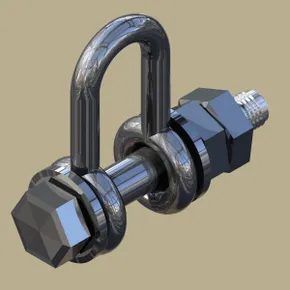
The mechanics are straightforward but unforgiving. Axle spring seats are welded or bolted directly to the trailer’s axle tube. A U-bolt clamps everything together, looping over the axle’s top surface and securing to a plate on the underside via nuts. The seat itself sits under the axle, providing the mounting point for the leaf spring hooks.
Can you swap them out yourself? Technically, yes. Practically? It’s usually a waste of time. Most factory trailers arrive with these seats pre-welded by the manufacturer. You aren’t missing out on a DIY project if you don’t touch them.
But what happens when the connection fails?
It isn’t just a bump in the road. The trailer vibrates violently on minor imperfections. The lack of secure attachment turns the chassis into a shaking wreck. Worse, the axle itself can detach entirely. It’s a catastrophic failure mode.
Do You Need to Worry About Axle Spring Seats?
Probably not.
Service technicians report that axle spring seat problems are rare. The seats themselves don’t just fall off. When issues do arise in older trailers, the culprit is almost always the U-bolt.
Corrosion and road salt wear down the bolt ends. This wear allows the axle to shift alignment. If the axle slips, the spring seat can lose its grip. This creates a risk of total detachment.
U-Bolt Wear vs. Total Axle Replacement
If you suspect wear, inspect the U-bolt first. You can replace the bolt yourself. If the seat is damaged in the process, you can buy a new one.
However, there is a better option.
Buying a complete new axle assembly is safer and often more cost-effective in the long run. This comes with preinstalled spring seats already welded and aligned by the factory.
Unless you have professional-grade welding equipment and confidence, skip the individual part replacement. A new axle eliminates the guesswork. It ensures the geometry is correct. It removes the risk of a botched weld holding up your trailer on the highway.
For deeper dives into the systems that keep your rig moving, explore how leaf springs work and the mechanics behind trailer wheel hubs.