The numbers are ugly. In 1960, Buick ranked No. 9 in the U.S. auto industry. This was a humiliatingly steep drop for a brand that had held a solid third place during the high tide of the mid-1950s. The ninth place was the company’s weakest result since it was founded in 1905. Time is running out. The leaders knew they had to turn things around, and they had to turn things around fast.
Putting the Brakes on Bad Quality
The renovation does not start in the showroom. It starts with planning and management. In 1959 Edward D. Rollert took over the Buick division. His first action was unglaminary but essential. He strengthened quality control. The build quality has been poor for years, and customers have noticed it too. Rollert’s job is to stop the bleeding by making sure the car actually performs as advertised.
However, quality alone doesn’t move units. You also have to sell to people who buy cars. Rollert noticed that the product line felt outdated. It’s time to update our image and adapt our selection to the changing tastes of American driver.
The beginning of a new era
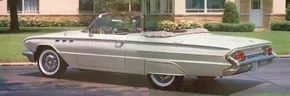
The results of this change appeared on dealers’ lots in 1961. This included Buick’s first compact car, the Special. This is a strategic move to appeal to a demographic that is beginning to look towards smaller and more efficient vehicles. But the headline act for the division’s comeback tour is something much bigger. The introduction of the Buick LeSabre convertible in 1961 arrived with style and substance, helping to lift the brand back on the charts. This shows that Buick is no longer content with tradition and is moving towards the future.
A Clean Slate for the LeSabre
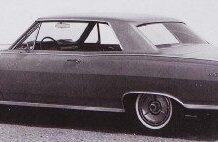
The 1965 Pontiac LeSabre retained the 123-inch wheelbase and nameplate familiar to loyal buyers, but everything else changed. The engineering team removed the outdated torque tube driveline. They swapped the wild, sculpted bodywork with something more subdued. The flamboyant “Delta Wing” fins is gone. The same applies to canted headlights. The goal was to ditch the excessive styling of the previous era.
Designed for the mid-1960s
Why make these changes? The landscape of the automotive industry is changing. Buyers were tired of the excessive chrome and tail fins of the late 1950s and early 1960s. Pontiac had to modernize its image without losing its performance pedigree. The 1965 redesign responded to this market fatigue. The result is a cleaner, more cohesive look. It still looks like a Pontiac, but it also looks like a modern Pontiac.
Under the Skin
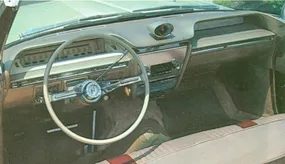
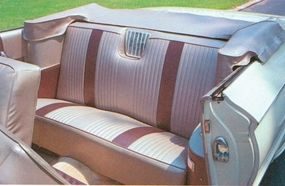
Removing the torque tube was significant. This change allows for a more traditional rear suspension setup. It improved handling and simplifies maintenance. Completely new body structure with improved rigidity and safety compared to the old designs. Although the exterior is toned down, the interior offers plenty of comfort and luxury. The LeSabre is still a full-size cruiser, but it does so with a more mature attitude.
Results
The 1965 LeSabre was a turning point for Pontiac. It marked the end of the era of excess. The new design is less about size and more about refining the existing formula. This change allowed Pontiac to stay relevant in the changing market. The LeSabre continues to sell well, proving that consumers appreciate the change. This is a subtle but necessary evolution. The car looked better. drove better. And it doesn’t look like it was trying too hard.
Buick is back on track
Buick has gone back to tradition, and frankly, it’s a relief. The result is a full-size range that looks better than it has in years. It is also the brand’s most sellable one in a long time.
The most significant of these is the Buick LeSabre convertible.
List price is $3,382. That’s about $400 more than a comparable Chevrolet convertible. Is it worth the extra cash? This is an easy choice for buyers looking for unique Buick style without compromising on the open-air experience. The design was a success. The market also reacted.
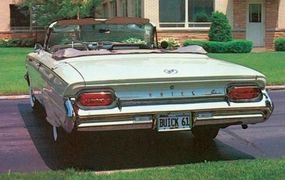
Buick just didn’t show up. Powered by a 364-cid V-8, it produces 235 horsepower in base form and rises to 250 horsepower when conditions are right. That’s real torque. It is existence. Combine this engine with a better-looking cabin and Buick-badged weight than last year’s effort, and sales will match. In 1961, 11,951 LeSabre soft tops rolled off the production line. The numbers are on the rise.
As a result, the situation in industry has also changed. Buick rose to 8th place in the market rankings that year. It didn’t stop there. By 1964, the brand had established itself in fifth place. This place served as our home base in the 1960s and 1970s. Sustainable operation. Continuous. Predictable.
Detroit’s Great Iron Age reached its peak and settled into a rhythm that lasted for decades.
Where can I find more information about my car’s history?
- a classic car
- muscle car
- sports car
- Search for a new car
- Search for used cars