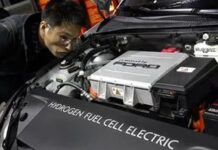
Hybrid technology doesn’t care about your fuel source. Technically, slapping an electric motor onto a diesel engine is no different than doing it with a gasoline block. Dave Buchko, BMW’s spokesman, puts it bluntly: from a hybrid perspective, the internal combustion engine is just a generator. It makes no difference what burns inside.
Technologically, the challenge is nonexistent. Diesel engines already offer higher compression ratios and significantly more torque than their gas-guzzling cousins. BMW is currently testing this concept with the X5 SUV. The hardware works. The engineering is sound.
There is one massive hurdle standing in the way of a diesel-hybrid future. It isn’t the tech. It is the price tag.
Why Diesel Hybrids Are Too Expensive to Sell
Both hybrid systems and diesel powertrains carry a premium. When you combine them, you are looking at a high-price vehicle that most consumers simply won’t buy.
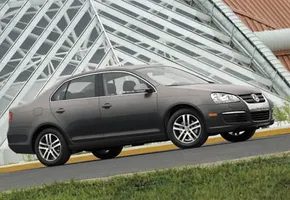
The math is brutal. In 2008, a Honda Civic Hybrid cost roughly $7,000 more than the base gasoline sedan. A Volkswagen Jetta TDI (diesel) ran about $5,000 over the standard gas version. Add hybrid components on top of that, and the sticker shock becomes prohibitive.
“Putting the two systems together could make for a high-price vehicle.”
Bruce Belzowski, automotive industry expert, University of Michigan
Belzowski points out that you would have to own the car for a very long time to recoup that initial investment through fuel savings.
There is another logical flaw in the diesel hybrid equation. Many modern diesel engines already achieve fuel economy numbers that rival, or even exceed, those of gasoline hybrids.
“If you got a diesel with a particulate filter, why would you need a hybrid?” Belzowski asks.
The answer is efficiency. A clean diesel engine gets the job done without the added cost and complexity of a battery pack. Unless you need massive torque for towing, the hybrid diesel offers diminishing returns for the average driver.
Regulatory Walls and European Habits
Automakers have largely ignored the diesel-hybrid market for years. The reasons are a mix of politics, economics, and geography.
In the United States, the California Air Resources Board (CARB) standards made it nearly impossible to sell diesel cars in high-volume markets like California and New York. The emissions regulations were too strict for older diesel tech.
In Europe, the dynamic is different. Diesel fuel has historically been much cheaper than gasoline. People migrate to the cheapest fuel source. In Europe, that source is diesel. Two-thirds of all BMW sales in Europe are diesels. There was no urgent need to hybridize them.
“Until very recently, [America’s] gasoline prices were fairly low. In Europe, they were historically much higher.”
Dave Buchko, BMW
Gas prices were low in the US. Why fix what isn’t broken? But as fuel prices skyrocket globally, the calculus is shifting. A diesel hybrid could become an attractive option for buyers everywhere. The economics are finally starting to make sense.
How AdBlue Clears the Path for Clean Diesel
Smaller engines, like the one in the Jetta Clean Diesel, can meet strict emissions standards using nitrous oxide storage catalysts and particulate filters. These systems cut nitrous oxide emissions by up to 90 percent. It works for four-cylinder engines.
Larger engines need more help.
Enter AdBlue. This system injects urea into the exhaust stream to dramatically reduce nitrogen oxide (NOx) emissions. When the urea mixes with the heat of the exhaust, the chemical reaction reforms the NOx into mostly harmless nitrogen.
European manufacturers are already using this tech. The Mercedes-Benz ML320 BlueTEC and the BMW X5 xDrive35d both feature AdBlue systems. These are large SUVs with big diesels.
This technology is the key to selling larger diesels in all 50 states. The CARB barrier is coming down. If the emissions are clean, the sales will follow.
The Torque Advantage
We haven’t even touched on the driving experience yet. Think about what happens when you combine the instant torque of an electric motor with the high torque output of a diesel engine.
It isn’t just efficient. It is visceral. The next step is exploring how these two power sources combine to create an amazing driving experience.