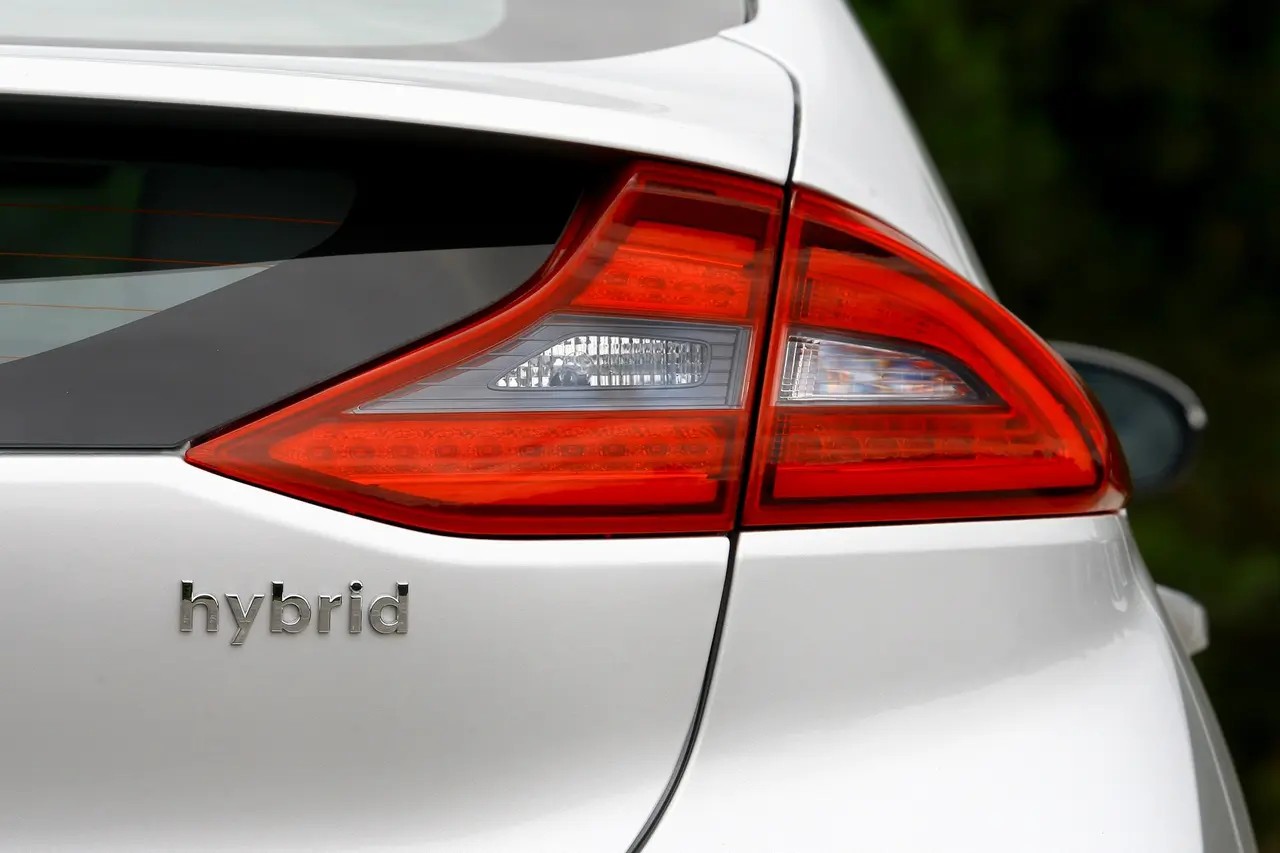
The Swiss canton of Valais has pulled the plug on financial incentives for plug-in hybrid vehicles. The decision isn’t arbitrary. It follows a rigorous assessment by Impact Living that exposed a stark reality: on mountain roads, these cars deliver almost nothing in terms of fuel savings or emission reductions compared to traditional combustion engines. The study was commissioned specifically by the cantonal authorities, looking at how these vehicles actually perform in one of Europe’s most topographically demanding regions.
The findings were brutal. Quantitative measurements of real-world fuel consumption showed the cars falling far short of their marketing promises. In some cases, the advantage over a conventional gas or diesel car was negligible, bordering on nonexistent. Marc Muller, an energy engineer and co-author of the report, didn’t mince words when speaking to Swiss public radio, RTS. He called the technology “a scam regarding CO2 standards, climate goals, and consumers.”
The core issue is topography. Valais is mountainous. The terrain changes the physics of driving in ways that flat-land laboratory tests simply don’t capture. The study found that in Valais’s real-world conditions, plug-in hybrids emitted nearly four times more CO2 than manufacturers claim. Even drivers with access to charging stations at both home and work, who keep the battery topped up for short urban hops, still failed to hit the official figures.
Manufacturers typically advertise these hybrids as achieving fuel consumption rates of 1.5 to 2.5 liters per 100 kilometers. The reality on Valais roads? Consumption sits between 4 and 7 liters. That’s comparable to a standard diesel engine. Muller pointed out that the disconnect isn’t just theoretical; it’s a measurable gap that renders the environmental benefits void for many users.
The Pattern of Overstated Emissions
Valais isn’t the first place to catch this discrepancy. The canton funded the Impact Living study after seeing a pattern emerge in broader analyses. As early as 2020, the NGO Transport & Environment (T&E) scrutinized three of the year’s best-selling plug-in hybrid models. Their conclusion was damning: real-world CO2 emissions remained consistently higher than the official figures released by manufacturers.
The International Council on Clean Transportation (ICCT) has echoed this sentiment. Their studies concluded that under real driving conditions, plug-in hybrids generally emit more CO2 than the measurements used in their regulatory approval processes. The gap between the test lab and the tarmac is wide, and it widens significantly when elevation comes into play.
The Middle-Ground Paradox
For many automotive experts, the plug-in hybrid occupies an uncomfortable middle ground. It combines the worst aspects of both technologies. You get the air pollution of internal combustion engines, but you also inherit the high weight and inflated price tags associated with electric powertrains. The dual-motor setup adds mass, which hurts efficiency, especially on steep inclines where gravity is a constant adversary.
When not charged regularly, these vehicles become gas guzzlers. They carry the dead weight of a large battery pack and electric motor without the benefit of electric propulsion, forcing the gas engine to work harder. However, the technology isn’t universally useless. For drivers who combine long highway commutes with urban usage, and who charge regularly, it can still serve as a viable alternative to diesel. Diesel fell out of favor after the Volkswagen emissions scandal, leaving a gap in the market that hybrids tried to fill. The Valais report suggests that for mountainous regions, that fill job didn’t work. The subsidies are gone. The question now is whether other regions will follow suit, or if the hype will continue to outpace the hardware.