The narrative that millennials are killing everything from marriage to the department store model feels less like a sociological observation and more like a tired trope. The latest victim of this generational slander is the automobile itself. The assumption is that young people, born between 1981 and 1996, simply don’t care about driving. They’re supposedly too busy urbanizing, taking Uber, or avoiding the hassle of getting a license at sixteen.
That story is wrong. It’s fiction.
New data from Hagerty, the classic car insurance specialist, shatters the myth that millennials hate cars. In fact, they might be the very thing keeping the enthusiast hobby alive.
Jonathan Klinger, Hagerty’s vice president of public relations, notes that while the decline in youth licensing is real, it doesn’t tell the full story of passion.
“Conventional wisdom held that the hobby of car collecting was going to die with the baby boomer generation. According to our data, that is strictly no longer true.”
The shift didn’t happen overnight, but in late 2018, something significant occurred. For the first time, market activity from Gen X and millennials combined exceeded that of baby boomers and older generations. The flame wasn’t dying. It was being passed to a new hand.
The Stats Behind the Shift
To understand which cars millennials are collecting, you have to look past the stereotype of the broke, smartphone-addicted twenty-something. The data paints a picture of a demographic that is deeply engaged, albeit differently than their predecessors.
Here is what the numbers say about millennial car collectors:
- Average Vehicle Value: $21,000. This is lower than the North American average for collector vehicles ($30,000), suggesting a focus on accessibility rather than blue-chip assets.
- Insurance Costs: The average annual premium is $674, indicating a high volume of active, insured policies.
- Gender Split: 90% men, 10% women. Klinger clarifies this includes cases where a couple shares a car but the man is the primary policyholder, so the true gender split is likely more balanced.
- Brand Preference: Domestic cars lead generally, but the nuances matter. Millennials are more than four times as interested in Japanese cars compared to pre-boomers (born 1930–1945), who prefer British marques. Interest in German cars remains consistent across all generations.
- Body Style: Gen X and millennials are 35% more likely to show interest in trucks and SUVs than pre-boomers and boomers.
From Showrooms to Driveways
The preference for trucks and SUVs among younger collectors isn’t just about practicality. It represents a fundamental change in how these vehicles are perceived.
Older generations viewed a collector car as a static object—a Corvette, a Mustang, or a European sports car to be polished and displayed. The goal was often to win trophies at shows. Millennials view these vehicles as tools for engagement. They are more likely to drive their collector cars regularly and attend driving events rather than just parking them.
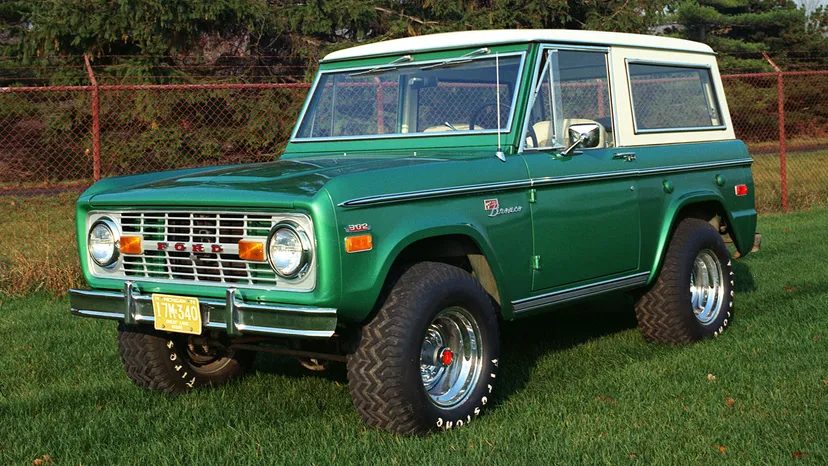
“The older generations’ idea of a collector car would have been Corvette, Mustang, Camaro,” Klinger says. “The younger generations are several times more likely to seek out a first-generation Ford Bronco… or a Chevrolet pickup from the ’60s and ’70s.”
There is a practical logic here too. Vintage trucks and SUVs are more common. They are generally more affordable. Parts are easier to find. They are easier to work on.
This aligns with the broader “maker” culture. Buying a vintage vehicle isn’t just about ownership; it’s about the intent to work on it. The car becomes a project, a connection to mechanical reality in a digital world.
The Social Side of Nostalgia
You might assume that a generation raised on Instagram would find the slow pace of car collecting tedious. Yet, events like Radwood, which celebrates underappreciated cars from the 1980s and 90s, thrive online.
The hobby offers an escape from technology, but it doesn’t reject it. Younger collectors use social media to document their builds, share tips, and connect with communities that span the globe.
The stereotype that millennials are killing cars is just that—a stereotype. The reality is far more interesting. They are buying more cars, driving them more often, and focusing on the mechanical joy of ownership rather than the prestige of display.
The enthusiast market isn’t dying. It’s evolving. And it’s being led by the very people everyone said wouldn’t care.
Whether this trend holds as these collectors age into their thirties and fortis remains to be seen. But for now, the data suggests the road is far from empty.
The Millennial Shift: Timing and Affordability
The question isn’t just if millennials are collecting, but why the shift is happening right now. The data points to a specific convergence of financial stability and market opportunity. Gen Xers are currently in their peak earning years, driving a collector culture with as much intensity as the baby boomers did in previous decades. But the real engine here is the 100-million-strong millennial cohort. They are hitting the cusp of serious collecting, and the timing aligns perfectly with their life stages.
Klinger notes that the traditional milestones have shifted. Millennials get licenses later, buy first cars later, marry later, and purchase homes later. This delay creates a unique window. Instead of chasing status symbols in their 20s, they are entering the collector market with disposable income when the cars they actually want are available.
Affordable Entry Points for Enthusiasts
The barrier to entry has never been lower for the serious enthusiast. We are seeing a surge of desirable collector cars priced under $10,000. Even better, many intriguing options sit comfortably below $5,000. This affordability changes the psychology of ownership.
“Owning a vintage car or an enthusiast car can be a sign of success, but not excess,” Klinger says.
This distinction matters. It’s not about buying a garage full of Ferraris for show. It’s about accessibility. It’s about owning a piece of automotive history without liquidating your savings. For a generation that has faced economic headwinds, this “success without excess” model is particularly appealing. It allows them to participate in the hobby authentically, rather than performatively.
Defining the Terms: Vintage vs. Classic
The debate over terminology persists in the collector car world. It’s not just semantics; it affects how cars are valued and categorized.
Vintage refers to a specific period of origin or manufacture. In practice, this usually means cars that are at least 25 years old. It’s a chronological marker.
Classic implies a qualitative judgment. It means “of the first or highest quality.” These are the cars that are most sought after by the community. A Pontiac GTO, for example, is often cited as a classic because of its cultural impact and desirability, not just its age.
While the terms are often used interchangeably in casual conversation, the distinction holds weight for collectors. A 1960s muscle car might be vintage by age, but only certain models achieve classic status due to rarity, performance, and historical significance. Understanding this difference helps buyers identify which cars hold value and which are simply old.