We’ve all been there. You’re standing in the driveway with a mountain of groceries, and the mental math starts failing. One trip? No way. Two trips? Sure. But by the time you’ve made them, the milk has leaked into your reusable totes and the peaches are mashed into pulp. You’re exhausted. Your arms are screaming. And honestly, your body wasn’t built for this level of absurdity.
Cars feel the same way. Maybe not emotionally, but mechanically, they are just as susceptible to abuse. We treat our trucks and SUVs like mules, stuffing them until the suspension sags and the tires bulge. It’s easy to ignore the strain on the engine, transmission, and suspension until something snaps. Or worse, until you lose control on an interchange because your rear end is light and your steering is vague.
Here is the hard truth: knowing your vehicle’s payload capacity isn’t just about avoiding a tow truck bill. It’s about not killing yourself.
What Payload Actually Means
Let’s clear up the confusion right now. Payload isn’t just the stuff you throw in the backseat. It’s the total weight of everything your vehicle is carrying that isn’t part of its own structure. That includes:
- Cargo (boxes, tools, gear)
- Fuel (yes, gas weighs something)
- Passengers (people count as payload)
Most drivers look at the cargo space and see empty volume. You need to look at it as a weight limit. If you ignore passenger weight, you’re already overcommitting before the first box goes in.
Why the Numbers Matter
Overloading a vehicle doesn’t just make for a rough ride. It puts immense strain on critical components. The engine works harder. The transmission shifts at higher temperatures. Brakes fade faster because you have more mass to stop. Suspension components wear out prematurely. And safety? It takes a nosedive.
An overloaded vehicle handles differently. Braking distances increase. Cornering becomes treacherous. If you load a truck to the gills and don’t adjust your driving, you’re asking for trouble.
The Math Problem
So, how do you figure out how much your specific tow vehicle or daily driver can actually carry without turning it into a hazard?
The answer lies in a simple subtraction problem that most people skip. You need to know your vehicle’s Gross Vehicle Weight Rating (GVWR) and subtract its curb weight. The difference is your payload capacity.
But where do you find those numbers? And how do you account for the fact that your crew cab truck weighs more than your neighbor’s base model?
Let’s break down the calculation so you stop guessing and start loading with confidence.
The Simple Math Behind How Much You Can Actually Carry
Figuring out if you’re overloaded isn’t rocket science. It’s arithmetic. You need two numbers: your vehicle’s Gross Vehicle Weight Rating (GVWR) and its curb weight. Subtract one from the other, and you get your payload capacity.
The GVWR is the hard ceiling. It’s the maximum total weight the manufacturer says the vehicle can handle. This number includes the metal of the car, the fluids required to run it (oil, coolant, fuel), and everything else you throw in the back—passengers, gear, tools, and cargo. You’ll usually find this sticker on the door jamb or in the owner’s manual. Sometimes it’s online if you dig deep enough into the specs.
Curb weight is different. It’s the weight of the vehicle itself. No people. No cargo. Just the machine, a full tank of gas, and all the necessary fluids to keep it moving.
Payload is what’s left over. It’s the margin of safety between the empty truck and the maximum weight it can take. The formula is blunt:
GVWR minus curb weight equals payload.
Take a hypothetical truck with a GVWR of 3,500 pounds (1,588 kg). If the curb weight sits at 3,000 pounds (1,361 kg), the math is straightforward.
3,500 – 3,000 = 500 pounds (227 kg).
You have 500 pounds to play with. That’s it. Stop adding weight once you hit that number.
But does the type of vehicle change the calculation? The math doesn’t care. A sedan, a crossover, or a heavy-duty work truck—all follow the same basic rule. The difference lies in how the manufacturers define these weights and how much padding they build in. Trucks often have higher payload capacities relative to their size, but they also tend to be heavier to begin with. SUVs vary wildly depending on the platform. Cars? They’re lighter, so their payload limits are tighter, often making them more sensitive to overstufing.
Truck Payload Specifics
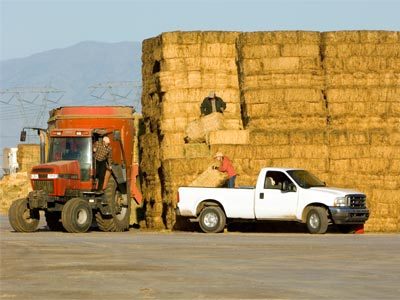
When you’re looking at trucks specifically, the stakes are different. You aren’t just moving yourself and a few bags. You’re often moving equipment, supplies, or actual goods. The payload capacity of a truck is a critical spec because it dictates utility.
If you ignore the GVWR, you risk damaging the suspension, brakes, and tires. Worse, you could void warranties or fail inspections. Some manufacturers publish the payload directly. Others make you do the subtraction. Either way, the limit is real.
Don’t assume that because a truck looks big, it can carry a lot. A heavy-duty frame might suggest immense strength, but if the curb weight is already near the GVWR, the payload is negligible. Always check the door jamb sticker. It’s the final authority.
So, how do you know if you’re over the limit? Weigh it. Or better yet, estimate carefully. Subtract the weight of the driver and any passengers you expect to carry from the payload number. What’s left is for cargo. If you’re carrying a pile of gravel, a few passengers, and a toolbox, you might hit that 500-pound mark fast.
Is it worth risking it?
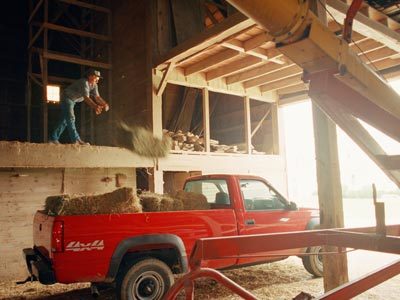
Payload isn’t a one-size-fits-all number. It changes depending on what you’re hauling. You wouldn’t try to shove eight-foot sheets of drywall into a compact station wagon. It simply won’t fit. Conversely, you don’t need a Class 8 semi to move two bags of cat litter to the shelter. The mismatch is obvious. But for the working trucks that actually pull heavy loads, the rules get specific.
In the U.S., federal law doesn’t just guess at capacity. It classifies trucks by their maximum gross vehicle weight rating (GVWR). This is the total weight of the vehicle itself plus everything you load into it. You can look at these classifications in two ways: by specific weight classes or by broader duty categories. They overlap. They inform each other. Understanding the difference helps you figure out exactly how much weight you can legally and safely strap to your axle.
The Federal Weight Classes
The U.S. government divided truck GVWR into eight distinct classes. These aren’t marketing terms. They are legal definitions that determine licensing, road taxes, and regulatory requirements. If you exceed the limit for your class, you’re in violation, regardless of what the manufacturer said on the sticker.
Here is how the breakdown looks by weight:
| Weight Class | Maximum GVWR |
|---|---|
| Class 1 | 6,000 pounds (2,722 kg) |
| Class 2 | 10,000 pounds (4,536 kg) |
| Class 3 | 14,000 pounds (6,350 kg) |
| Class 4 | 16,000 pounds (7,258 kg) |
| Class 5 | 19,500 pounds (8,845 kg) |
| Class 6 | 26,000 pounds (11,793 kg) |
| Class 7 | 33,000 pounds (14,969 kg) |
| Class 8 | Above 33,000 pounds |
Light, Medium, and Heavy Duty
The U.S. Department of Transportation (DOT) takes these eight classes and groups them into three main buckets. This is where the “duty” terminology comes from.
Class 1 and 2 are light-duty trucks. This includes most pickup trucks you see on the highway and the work vans used by plumbers and electricians. If you’re buying a Ford F-150 or a Ram 1500, you’re in Class 2 or just barely crossing into Class 3 depending on the configuration.
Class 3 through 5 are medium-duty trucks. These start to look like commercial vehicles. Think box trucks, smaller dump trucks, or cutaway vans. The jump from Class 2 to Class 3 is significant because it often triggers different insurance and licensing requirements.
Class 6 and above are heavy-duty trucks. These are the big rigs, the concrete mixers, and the long-haul semi-tractors. Class 8
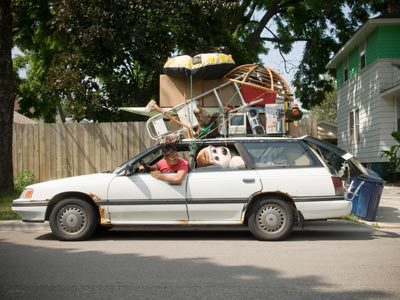
We tend to ignore payload when we’re behind the wheel of a sedan. It’s not like hauling lumber in a pickup where the weight is front and center. You don’t sit in the driveway wondering if the luggage and kids will tip the balance. The payload limits in most passenger cars are so low that you’re more likely to run out of trunk space than exceed the Gross Vehicle Weight Rating (GVWR). Sure, you could overload it. But if you’re packing something heavy enough to break the suspension, it probably won’t fit in the hatch anyway.
Still, ignoring weight distribution is a mistake. The math is simple but often overlooked. Passengers are cargo. Manufacturers calculate payload based on a standard 150 pounds (68 kg) per person. This isn’t an average. It’s the baseline number used in the engineering specs. Every empty seat in your car represents 150 pounds of available capacity.
Think about the back row of a mid-size sedan. It’s designed for three people. If that seat is empty, you have 450 pounds (204 kg) of unused payload potential. You can fill that space with gear, groceries, or equipment. But once you start adding weight, you’re eating into that buffer. The car’s handling doesn’t care about your intentions. It only cares about the total mass on the springs.
SUV Payload
Is an SUV just a bigger car with more payload? Not necessarily. It’s a different beast entirely. The structural integrity, suspension tuning, and frame construction play a massive role in how much weight these vehicles can actually haul. While a sedan might struggle to carry five adults and a duffel bag, a full-size SUV can absorb that load with relative ease.
The difference comes down to the platform. Unibody crossovers sit somewhere in the middle. Body-on-frame trucks and SUVs are built for punishment. They have reinforced frames and heavy-duty components designed to handle significant stress. When you’re looking at payload for these vehicles, you have to look beyond the sticker weight. You need to know your vehicle’s specific GVWR and subtract the curb weight. That number tells you exactly what you’re allowed to add.
Payload is not a suggestion. It’s a hard limit set by the manufacturer based on the strength of the axles, brakes, and tires.
Exceeding that limit doesn’t just void your warranty. It compromises braking distance. It stresses the suspension until it sags. It makes the vehicle unstable in emergency maneuvers. The tires wear unevenly. The risk of a blowout increases. This isn’t just about comfort. It’s about physics.
Which vehicle handles the load better? It depends on the design. A unibody SUV may feel smoother on the highway with a full load, but a body-on-frame truck will maintain its ride height better under heavy weight. However, the truck will also have a higher center of gravity when loaded. That makes rollover risk a factor you simply don’t have to worry about with a low-slung sedan. But the sedan can’t carry the same absolute mass.
Where does the weight sit matters as much as how much there is. Placing heavy items low and centered keeps the center of gravity stable. Loading the roof rack? That’s a different story. Every pound up high raises the center of
Payload vs. Towing: Knowing the Real Limits
People often treat SUVs as the ultimate hybrid — part workhorse, part luxury sedan. You get the hauling vibe of a pickup but with leather seats and four-wheel drive. But if you are looking at SUV payload capacity as a simple metric, you are likely overestimating what the machine can actually do.
Think of it as a middle ground. An SUV carries more than a sedan, sure. It’s easy to create room. Fold the rear seats down. Suddenly, you have a flat floor for bulky gear, bikes, or heavy equipment. But there are hard walls. Literally. You have a roof. You can’t stack cargo higher than that.
And you shouldn’t try to load it like a truck either. This is where physics bites back. SUVs sit higher. Their center of gravity is significantly elevated compared to a car. Load them up too much. Make them top-heavy. And the risk of a rollover spikes. It’s not just a statistic. It’s a real danger.
Manufacturers noticed. Consumers got scared. The response? Electronic Stability Control (ESC). It’s a computer that steps in when you lose traction or start to tip, braking individual wheels to straighten the vehicle out. It’s not magic, but it helps.
The government got involved too. Since September 2004, the National Highway Traffic Safety Administration (NHTSA) has mandated a specific label. You’ll find it on the doorjamb of every vehicle with a Gross Vehicle Weight Rating (GVWR) under 10,000 pounds. The sticker lists the maximum combined weight of all people and stuff inside. That number is the law. Not a suggestion.
But what if the sticker says you can carry 1,200 pounds and you need to haul 1,500? Do you just ignore the physics?
Can You Increase Payload Capacity?
The short answer is no. Not really. You cannot legally or safely modify the structural payload limit of an SUV. The frame, the suspension, the tires — they are all rated for a specific load. Bypassing those limits compromises handling, braking, and structural integrity.
Some might suggest lifting the suspension or adding heavy-duty springs. That shifts the center of gravity even higher. It makes the rollover risk worse. It doesn’t increase the actual weight the chassis can support; it just changes how the vehicle sits.
The only real “upgrade” is choosing a larger vehicle. A full-size pickup or a heavy-duty SUV will have a higher GVWR. That’s the only safe way to haul more. Anything else is a gamble with your safety and the integrity of the vehicle.
So, before you throw that extra ton of gravel into the back, check the doorjamb. Then check the tires. Then check your nerves.
We’ll dig deeper into the mechanics of why these limits exist and what happens when you push past them on the next page.
Pushing the Limits: Towing Packages and Payload Realities
Knowing your vehicle’s payload capacity is a good starting point, but what happens when your gear outpaces the numbers on the sticker? Is it physically possible to haul more than the manufacturer suggests? Maybe. But you’re treading into dangerous territory if you ignore the math.
Truck and SUV manufacturers know drivers get creative. That’s why they offer optional towing packages. These aren’t just stickers on the side; they’re functional upgrades. You’re looking at heavier-duty transmissions, reinforced suspensions, upgraded cooling systems, and often larger engines. The hardware matters. A proper towing package usually includes a trailer wiring harness, a robust hitch assembly, and safety chains. Some brands throw in brake controllers or transmission temperature gauges. The goal is straightforward: increase the performance of the tow vehicle so it doesn’t break under stress.
But here is the catch. Overloading a vehicle with too much payload is reckless. It compromises braking distance, handling, and tire integrity. You risk blowing a tire at 70 mph. You risk losing control of the trailer. Worse, if a police officer pulls you over and sees the sagging rear end or smells burning rubber, you could get a ticket for unsafe loading. Nobody wants that headache. It’s not worth the fine, let alone the risk to your passengers and other drivers on the road.
If you need to know where you stand, you have to look at the specifics. Payload varies wildly by make, model, and year.
Acura Payload
Acura’s lineup during this period was heavily sedan and crossover focused. Payload numbers were modest, reflecting their luxury positioning rather than workhorse utility.
| Year | Model | Max Payload (lbs) |
|---|---|---|
| 2006 | MDX | – |
| 2006 | RL | – |
| 2006 | RSX | – |
| 2006 | TL | – |
| 2006 | TSX | – |
| 2007 | MDX | 1158 |
| 2007 | RL | – |
| 2007 | RDX | 870 |
| 2007 | TL | – |
| 2007 | TSX | 850 |
| 2008 | MDX | 1158 |
| 2008 | RL | – |
| 2008 | RSX | 870 |
| 2008 | TL | – |
| 2008 | TSX | 850 |
| 2009 | MDX | 1158 |
| 2009 | RL | – |
| 2009 | RSX | 870 |
| 2009 | TSX | 850 |
More Acura Specs:
– Acura GVWR
– Acura GAWR
– Acura GCWR
– Acura Cargo Carrying Capacity
– Acura Curb Weight
– Acura Towing Capacity
Audi Payload
Audi’s offerings were similar. Most models listed here lack specific payload data in the source material, which often means the data was proprietary or varied significantly by option packages. The TT and older A8/S8 models had defined limits.
| Year | Model | Max Payload (lbs) |
|---|---|---|
| 2006 | A3 | – |
| 2006 | A4 | – |
| 2006 | A6 | – |
| 2006 | A8 | 1213 |
| 2006 | S4 | – |
| 2006 | TT | 728 |
| 2007 | A3 | – |
| 2007 | A4 | – |
| 2007 | A6 | – |
| 2007 | A8 | – |
| 2007 | Q7 | – |
| 2007 | RS4 | – |
| 2007 | S4 | – |
| 2007 | S6 | – |
| 2007 | S8 | 1213 |
| 2008 | A3 | – |
| 2008 | A4 | – |
| 2008 | A5 | – |
| 2008 | A6 | – |
| 2008 | A8 | – |
| 2008 | Q7 | – |
| 2008 | R8 | – |
| 2008 | RS4 | – |
| 2008 | S4 | – |
| 2008 | S5 | – |
| 2008 | S6 | – |
| 2008 | S8 | – |
| 2008 | TT | – |
| 2009 | A3 | – |
| 2009 | A4 | – |
| 2009 | A5 | – |
| 2009 | A8 | – |
| 2009 | Q7 | – |
| 2009 | R8 | – |
| 2009 | S4 | – |
| 2009 | S5 | – |
| 2009 | S8 | – |
| 2009 | TT | – |
More Audi Specs:
– Audi GVWR
– Audi GAWR
– Audi GCWR
– Audi Cargo Carrying Capacity
– Audi Curb Weight
– Audi Towing Capacity
BMW Payload
BMW’s numbers show a mix of sport sedans and SUVs. The X5 and newer 3-series and 5-series platforms held up well, but the Z4 remained light. Note the drop in payload for the 2009 750 compared to earlier years.
| Year | Model | Max Payload (lbs) |
|---|---|---|
| 2006 | 325 | 1058 |
| 2006 | 330 | 1058 |
| 2006 | 525 | 1102 |
| 2006 | 530 | 1102 |
| 2006 | 550 | 1102 |
| 2006 | 650 | 838 |
| 20 |
If you are planning to haul anything heavier than a weekend’s worth of groceries, you need to know your truck’s payload limits before you start loading. Payload isn’t just about towing. It’s the total weight of passengers, cargo, and optional equipment that the vehicle’s suspension and frame can handle once you are already sitting in the driver’s seat. Ignore these numbers and you risk damaging suspension components, wearing out tires prematurely, or worse, losing control.
The data below covers the 2006 through 2009 model years for the major American truck and SUV manufacturers. We are looking strictly at maximum payload capacity in pounds. If a model has a dash, it means the specific figure wasn’t highlighted in this dataset, often because it varies wildly by configuration or the model was phased out.
Chevrolet Payload
Chevy’s lineup during this period was heavily skewed toward work trucks and large SUVs. The Silverado HD series dominates the upper end, with the 3500 HD model capable of carrying over 5,000 lbs. That is serious utility. The light-duty Silverado 1500 sits comfortably in the 1,600 to 1,900 lb range, depending on the year.
The Tahoe and Suburban follow similar patterns, with the 2500 HD variants offering nearly double the payload of their 1500 counterparts. If you are looking at a 2006 Tahoe, you are looking at 1,522 lbs. By 2009, that number holds steady at 1,835 lbs for standard models. The Express van is a workhorse, consistently hitting 2,306 lbs for the 1500 and jumping to 4,147 lbs for the 3500 by 2009.
Small SUVs and crossovers tell a different story. The Equinox, Impala, Malibu, and Aveo show dashes, indicating payload isn’t the primary metric marketed for these cars in this specific data set. The HHR is an exception, capped at 900 lbs. The Avalanche 1500 fluctuates between 1,258 and 1,444 lbs. The Colorado mid-size truck is a solid option if you need less than 2,000 lbs, holding steady around 1,300 lbs.
Chevrolet Max Payload by Model (2006-2009)
| Year | Model | Max Payload (lbs) |
|---|---|---|
| 2006 | Avalanche 1500 | 1,387 |
| 2006 | Avalanche 2500 | 2,072 |
| 2006 | Colorado | 1,532 |
| 2006 | Express | 2,306 |
| 2006 | HHR | 900 |
| 2006 | Silverado 1500 | 1,913 |
| 2006 | Silverado 1500 Hybrid | 1,162 |
| 2006 | Silverado 1500 SS | 1,253 |
| 2006 | Silverado 1500 HD | 3,129 |
| 2006 | Silverado 2500 HD | 3,606 |
| 2006 | Silverado 3500 HD | 5,169 |
| 2006 | Suburban 1500 | 1,731 |
| 2006 | Suburban 2500 | 2,828 |
| 2006 | Tahoe | 1,522 |
| 2006 | TrailBlazer | 1,194 |
| 2006 | TrailBlazer EXT | 1,429 |
| 2007 | Avalanche 1500 | 1,258 |
| 2007 | Colorado | 1,316 |
| 2007 | Express | 2,306 |
| 2007 | HHR | 900 |
| 2007 | Silverado 1500 | 1,658 |
| 2007 | Silverado 1500 Classic | 1,913 |
| 2007 | Silverado 1500 Hybrid Classic | 1,162 |
| 2007 | Silverado 1500 SS Classic | 1,253 |
| 2007 | Silverado 1500 HD Classic | 3,129 |
| 2007 | Silverado 2500 HD | 3,458 |
| 2007 | Silverado 2500 HD Classic | 3,606 |
| 2007 | Silverado 3500 Classic | 5,169 |
| 2007 | Suburban 1500 | 1,593 |
| 2007 | Suburban 2500 | 2,561 |
| 2007 | Tahoe | 1,835 |
| 2007 | TrailBlazer | 1,194 |
| 2008 | Avalanche 1500 | 1,444 |
| 2008 | Colorado | 1,316 |
| 2008 | Express | 2,306 |
| 2008 | HHR | 900 |
| 2008 | Silverado 1500 | 1,652 |
| 2008 | Silverado 2500 HD | 3,458 |
| 2008 | Silverado 3500 HD | 3,621 |
| 2008 | Suburban 1500 | 1,593 |
| 2008 | Suburban 2500 | 2,561 |
| 2008 | Tahoe | 1,835 |
| 2008 | Tahoe Hybrid | 1,830 |
| 2008 | TrailBlazer | 1,194 |
| 2009 | Avalanche 1500 | 1,333 |
| 2009 | Colorado | 1,250 |
| 2009 | Express 1500 | 2,306 |
| 2009 | Express 2500 | 3,262 |
| 2009 | Express 3500 | 4,147 |
| 2009 | HHR | 900 |
| 2009 | Silverado 1500 | 1,652 |
| 2009 | Silverado 2500 HD | 3,480 |
| 2009 | Silverado 3500 HD | 3,873 |
| 2009 | Suburban 1500 | 1,593 |
| 2009 | Suburban 2500 | 2,561 |
| 2009 | Tahoe | 1,835 |
| 2009 | Tahoe Hybrid | 1,830 |
| 2009 | TrailBlazer | 1,194 |
Chrysler Payload
Chrysler’s entry into the heavy-duty conversation is thinner than Ford or GM. The PT Cruiser stands out as a surprising payload carrier, hitting nearly 2,000 lbs in 2007. Most other Chrysler models, including the 300 and Sebring, show dashes, suggesting payload isn’t the defining spec for those sedans in this context.
The Town & Country minivan is a practical choice for families, consistently offering 1,200 lbs of payload capacity from 2007 through 2008. The Aspen SUV provides 1,600 lbs, while the Pacifica hovers around 865 to 889 lbs. The Aspen Hybrid drops slightly to 1,500 lbs in 2009. If you need maximum payload from Chrysler in this era, the PT Cruiser (2007) is the outlier with 1,907 lbs.
Chrysler Max Payload by Model (2006-2009)
| Year | Model | Max Payload (lbs) |
|---|---|---|
| 2007 | Aspen | 1,600 |
| 2007 | PT Cruiser | 1,907 |
| 2007 | Pacifica | 889 |
| 2 |
Honda Payload Specs: 2006-2009
Honda’s lineup during these years was a mix of reliable commuters and serious haulers, but the payload data tells a specific story about utility. The Ridgeline stood out immediately. It handled 1549 lbs of payload in 2006 and kept that number steady through 2008 before the 2009 model year data goes silent. The Odyssey minivan was the family workhorse, locking in 1349 lbs from 2006 all the way to 2009. If you needed something smaller but still capable, the 2007-2008 Element offered 675 lbs, while the 2007-2008 Civic gave you a modest 385 lbs. The 2006 Insight managed 400 lbs, but most of the sedans like the Accord, CR-V, Pilot, and S2000 left you guessing with missing data.
HUMMER Payload Specs: 2006-2009
You didn’t buy a HUMMER for fuel economy. You bought it to move heavy stuff over rough ground. The H2 jumped from no listed data in 2006-2007 to a solid 2200 lbs in 2008-2009. The H3 was the entry-level option, holding steady at 1150 lbs for 2006-2008 before bumping up to 1312 lbs in 2009. The H3T pickup truck appeared in 2009 with a 1090 lbs limit. The H1 Alpha was the brute force option in 2006, rated for 3087 lbs. That’s a lot of weight.
Hyundai Payload Specs: 2006-2009
Hyundai was playing catch-up. The data is sparse. For 2006-2007, almost every model from the Accent to the Veracruz shows no payload data. The 2008 models followed suit. By 2009, they introduced the Genesis, but again, the payload figure is missing. It’s hard to plan a build or a loadout when the numbers aren’t there. If you’re looking at a used Hyundai from this era, you might need to check the door jamb sticker rather than a database.
Infiniti Payload Specs: 2006-2009
Infiniti balanced luxury with some surprising utility. The QX56 was the heavy lifter, starting at 1440 lbs in 2006, jumping to 1553 lbs in 2008, and staying there in 2009. The FX35 was consistent at 1183 lbs for 2006-2008, then improved slightly to 1213 lbs in 2009. The FX50 joined the party in 2009 with 1185 lbs. The G37 offered 1040 lbs in 2008, while the M35 and M45 sedans hovered around 1000 lbs when data was available. The Q45 in 2006 managed 979 lbs.
Isuzu Payload Specs: 2006-2009
Isuzu was still hanging on in the SUV/truck market. The Ascender was the steady performer, rated at 1133 lbs from 2006 through 2008. The i-Series trucks varied more. The i-280 in 2006 handled 1532 lbs, while the i-290 dropped slightly to 1512 lbs in 2008. The i-350 started at 1190 lbs in 2006, jumped to 1516 lbs in 2007, then fell to 1260 lbs in 2008. The numbers swing wildly depending on the trim and year.
Jaguar Payload Specs: 2006-2009
Jaguar’s payload numbers are low. These are luxury cars, not workhorses. The X-Type held a consistent 1058 lbs from 2006 to 2008. The XK coupe and roadster struggled more, dropping from 815 lbs in 2008 to 772 lbs in 2009. The XKR followed the same downward trend. Most other models like the S-Type, XJ8, and XJR have no data listed. If you’re putting a roll cage or heavy audio gear in a 2008 XK, you’re pushing it close to the limit.
Jeep Payload Specs: 2006-2009
Jeep is where the real utility lives. The Commander started strong at 1620 lbs in 2006, then settled at 1300-1310 lbs for the rest of the run. The Grand Cherokee fluctuated between 1050 lbs and 1180 lbs. The Liberty was rock steady at 1150 lbs across all four years. The Wrangler and Wrangler Unlimited started at 800-1000 lbs and climbed to 1000-1150 lbs by 2009. The Compass and Patriot both sat at 925 lbs when they were available.
Kia Payload Specs: 2006-2009
Kia offered decent numbers for the price. The Borrego SUV was the king of the lineup in 2009, handling 1815 lbs. The Sedona minivan held 1532 lbs in 2007-2008. The Sorento dropped slightly from 1318 lbs in 2007 to 1277 lbs in 2008. The Rio and Rio 5 hatchbacks offered 1273 lbs and 1200 lbs respectively, staying consistent through 2008. The Sportage hovered around 1200 lbs. Most other models like the Amanti and Optima lacked data.
Land Rover Payload Specs: 2006-2009
Land Rover’s numbers tell a story of weight creep. The LR3 started at 1806 lbs in 2006, dropped to 1695 lbs in 2007, and settled at 1325 lbs for 2008-2009. The Range Rover followed a similar decline, starting at 1360 lbs and falling to 1136 lbs by 2008. The Range Rover Sport held 1301 lbs for three years before dropping to 1067 lbs in 2009. The LR2 was the lightest option, stuck at 1100 lbs in 2008-2009. You lose capacity as the models age or change generation.
Lexus Payload Specs: 2006-2009
Lexus mixes sport and utility. The LX 570 was the heavy hitter at 1411 lbs in 2008-2009. The RX 350 started at 1395 lbs in 2007, then dropped to 925 lbs in 2008-2009. The GX 470 was consistent at 1329 lbs for 2006-2008. The ES 350 managed 1099 lbs in 2007-2008. The GS models varied, with the GS 350 dropping from 837 lbs to 746 lbs. The SC 430 was the lightest at 690 lbs across the board. The LS 460 offered 1201 lbs.
Lincoln Payload Specs: 2006-2009
Lincoln stuck to large SUVs and trucks. The Navigator was the mainstay, climbing from 1540 lbs in 2006 to 1650 lbs in **
Mazda Payload Limits
The Mazda lineup from 2006 to 2009 tells a story of utilitarian trucks, compact crossovers, and spirited sports cars sharing the same garage space. Payload capacity varies wildly depending on whether you are hauling logs in a B-Series truck or just two people in an RX-8.
In 2006, the Mazda B-series dominated the heavy lifting. The B3000 could handle 1,680 lbs of cargo. The B2300 and B4000 were lighter duty, both rated at 1,260 lbs. Passenger cars were different beasts. The Mazda6 managed 1,319 lbs, while the high-performance MazdaSpeed6 shed nearly 350 lbs of capacity to 963 lbs due to added weight. The Mazda3 didn’t have a listed payload in this dataset, but the Mazda5 minivan was rated for 1,239 lbs. The MX-5 Miata, being a lightweight roadster, had a strict limit of 637 lbs. The RX-8 sat at 779 lbs, and the Tribute SUV offered 988 lbs.
2007 brought the CX-9 into the mix. It handled 1,493 lbs. The MazdaSpeed3 appeared in the data but lacked a payload figure. The E-Class Mercedes news? No, that’s wrong. Back to Mazda. The Mazda6 dropped slightly to 1,080 lbs. The RX-8 tightened up to 765 lbs. The MX-5 remained steady at 637 lbs.
By 2008, the CX-9 disappeared from the payload lists here, but the Tribute Hybrid emerged. It carried 1,083 lbs, edging out the standard Tribute’s 1,057 lbs. The Mazda5 took a hit, dropping to 1,191 lbs. The Mazda6 stayed at 1,087 lbs. The MX-5 lost a few pounds, sitting at 633 lbs. The RX-8 held at 765 lbs.
2009 saw the B2300 drop to 1,200 lbs, while the B4000 stayed at 1,260 lbs. The CX-7, CX-9, and Tribute had no listed payloads. The Mazda5 remained at 1,191 lbs. The Mazda6 dipped slightly to 1,082 lbs. The RX-8 fell to 754 lbs.
More Mazda Specs:
– Mazda GVWR
– Mazda GAWR
– Mazda GCWR
– Mazda Cargo Carrying Capacity
– Mazda Curb Weight
– Mazda Towing Capacity
Mercedes-Benz Payload Limits
Mercedes-Benz in this era leaned heavily on SUVs for actual hauling. The sedans? Not so much.
In 2006, the only models with listed payloads were the ML350 and ML500. The ML350 handled 1,616 lbs. The ML500, being heavier, dropped to 1,496 lbs. The R-Class was a hauler, rated for 2,000 lbs. All sedans—C-Class, CLS, E-Class, S-Class, SL, SLK, SLR—had no payload data listed.
2007 expanded the SUV family. The GL320 managed 1,086 lbs. The GL450 jumped to 1,620 lbs. The G500 sat at 1,289 lbs. The ML350 increased slightly to 1,635 lbs. The ML320 was 1,422 lbs. The ML500 returned to 1,620 lbs. The ML63 AMG, performance-oriented, dropped to 1,257 lbs. The R-Class fell to 1,635 lbs. The SLR McLaren was surprisingly light at 626 lbs. The E-Class finally showed a number: 1,157 lbs.
2008 saw the G500 gain significant capacity, rising to 1,764 lbs. The G55 was 1,433 lbs. The GL450 and GL550 both held 1,620 lbs. The ML320 remained 1,422 lbs. The ML350 stayed at 1,635 lbs. The ML550 was 1,620 lbs. The SLR McLaren plummeted to 342 lbs. The E-Class stayed at 1,157 lbs. The GL320 and ML63 AMG had no data.
2009 kept the G500 out but brought the ML63 AMG back at 1,300 lbs. The GL450 and GL550 both held 1,620 lbs. The ML350 stayed at 1,635 lbs. The ML320 was 1,422 lbs. The ML550 was 1,620 lbs. The R-Class dropped to 1,365 lbs. The E-Class remained steady at 1,157 lbs. The CLS 550 had no data.
More Mercedes-Benz Specs:
– Mercedes-Benz GVWR
– Mercedes-Benz GAWR
– Mercedes-Benz GCWR
– Mercedes-Benz Cargo Carrying Capacity
– Mercedes-Benz Curb Weight
– Mercedes-Benz Towing Capacity
Mercury Payload Limits
Mercury was essentially Ford with different badges, and the payload numbers reflect that platform sharing.
In 2006, the Mountaineer handled 1,549 lbs. The Monterey minivan was rated for 1,320 lbs. The Mariner SUV carried 1,075 lbs. The Mariner Hybrid, burdened by battery weight, dropped to 920 lbs. The Grand Marquis, Milan, and Montego had no listed payloads.
2007 kept the Mountaineer at 1,443 lbs. The Monterey stayed at 1,320 lbs. The Mariner held at 1,075 lbs. The Mariner Hybrid remained at 920 lbs. The Grand Marquis, Milan, and Montego still had no data.
2008 saw the Mountaineer stay at 1,443 lbs. The Mariner dropped slightly to 1,059 lbs. The Mariner Hybrid held at 920 lbs. The Grand Marquis, Milan, and Sable had no data.
2009 kept the Mountaineer at 1,443 lbs. The Mariner stayed at 1,059 lbs. The Mariner Hybrid remained at 920 lbs. The Grand Marquis, Milan, and Sable had no data.
More Mercury Specs:
– Mercury GVWR
– Mercury GAWR
– Mercury GCWR
– Mercury Cargo Carrying Capacity
– Mercury Curb Weight
– Mercury Towing Capacity
MINI Payload Limits
MINI didn’t change much in terms of payload across these years. The cars are small, so the numbers reflect that.
In 2006, the Cooper Convertible handled 771 lbs. The Cooper Hardtop was rated for 816 lbs.
2007 kept the Cooper Convertible at 771 lbs. The Cooper Hardtop stayed at 816 lbs.
2008 introduced the Cooper Clubman, which shared the 816 lbs rating of the Hardtop. The Convertible remained at 771 lbs.
2009 brought the John Cooper Works variants. Both the JCW Hardtop and JCW Clubman handled 816 lbs.
More MINI Specs:
– MINI GVWR
– MINI GAWR
– MINI GCWR
– MINI Cargo Carrying Capacity
– MINI Curb Weight
– MINI Towing Capacity
Mitsubishi Payload Limits
Mitsubishi offered a wide range of utility from the compact Lancer to the massive Raider pickup.
In 2006, the Raider was the king of payload at 1,590 lbs. The Montero handled 1,165 lbs. The Endeavor carried 1,055 lbs. The Outlander was at 904 lbs. The Lancer managed 981 lbs. The Galant sat at 969 lbs. The Eclipse, a coupe, had 794 lbs.
2007 saw the Outlander jump significantly to 1,538 lbs. The Raider dropped slightly to 1,580 lbs. The Endeavor held at 1,055 lbs. The Galant dipped to 937 lbs. The Eclipse stayed at 794 lbs. The Lancer was
Saturn Payload Specs
Saturn’s final years were a bit of a mixed bag when it came to hauling capability. The 2006 Saturn Ion didn’t list a payload figure, but the mid-size Relay minivan could handle 1350 lbs. The VUE compact SUV sat at 1331 lbs.
Things shifted in 2007. The new Aura sedan offered 1009 lbs of payload. The Outlook, essentially a rebadged Pontiac Torrent, was a workhorse with 1678 lbs. The Relay stayed steady at 1354 lbs. If you went hybrid, the VUE Hybrid dropped down to 1511 lbs, while the base VUE remained at 1331 lbs. The Sky roadster? No payload data listed.
By 2008, the Astra compact coupe arrived with a modest 893 lbs. The Aura held its 1009 lbs. The Outlook maxed out at 1678 lbs. The VUE saw a significant drop to 1000 lbs, and the hybrid version fell to 1111 lbs. The Sky still had no data.
In 2009, the lineup shrank. The Astra vanished from the payload list. The Aura stayed at 1009 lbs. The Outlook gained a slight edge, hitting 1709 lbs. The VUE and VUE Hybrid held their 2008 numbers: 1000 lbs and 1111 lbs respectively. The Sky and Aura Hybrid had no data.
For more technical limits, you’ll need to look up Saturn GVWR, Saturn GAWR, Saturn GCWR, Saturn Cargo Carrying Capacity, Saturn Curb Weight, or Saturn Towing Capacity.
Scion Payload Specs
Scion was all about youth and minimalism, which meant payload wasn’t always the headline. In 2006, the tC, xA, and xB models had no payload data listed.
2007 brought the updated tC, still no payload figure.
2008 saw the arrival of the xD and the continued presence of the tC and xB. Again, no payload numbers provided for any of these models.
2009 followed suit. The tC, xB, and xD remained without payload data.
If you need the heavy specs, check Scion GVWR, Scion GAWR, Scion GCWR, Scion Cargo Carrying Capacity, Scion Curb Weight, or Scion Towing Capacity.
smart Payload Specs
The smart fortwo is tiny. It’s not built for cargo. In 2008, its max payload was a mere 463 lbs. That’s barely enough for a driver and a few groceries.
For other specs, see smart GVWR, smart GAWR, smart GCWR, smart Cargo Carrying Capacity, smart Curb Weight, or smart Towing Capacity.
Subaru Payload Specs
Subaru tends to prioritize handling over sheer hauling, but the numbers tell a story.
In 2006, the B9 Tribeca could handle 1560 lbs. The Baja truck variant managed 1070 lbs. The Forester sat at 1060 lbs. The Impreza Sedan was lighter at 955 lbs, while the Wagon version held 995 lbs. The Outback Sport trimmed variant offered 1132 lbs. The WRX STI? Not so much—only 794 lbs. The Legacy Sedan did 1200 lbs, and the Wagon version took 1300 lbs. The main Outback SUV could haul 1245 lbs.
2007 saw some changes. The B9 Tribeca kept 1560 lbs. The Forester dropped to 1010 lbs. The Impreza Sedan stayed at 955 lbs, Wagon at 995 lbs, and Outback Sport at 1132 lbs. The Legacy Sedan fell to 1055 lbs, and the Wagon to 1290 lbs. The Outback took a hit, down to 995 lbs.
2008 was a messy year for the lineup. The Forester returned to 1010 lbs. The Impreza Wagon fell to 976 lbs. The Sedan dropped to 856 lbs. The Outback Sport held 1082 lbs. The WRX STI bounced back to 1080 lbs. The Legacy stayed at 1055 lbs. The Outback improved to 1085 lbs. The Tribeca (name dropped B9) plummeted to 660 lbs.
2009 simplified things. The Forester gained 1230 lbs. The Legacy held 1055 lbs. The Outback sat at 1078 lbs. The Tribeca remained at 660 lbs.
For deeper cuts, search Subaru GVWR, Subaru GAWR, Subaru GCWR, Subaru Cargo Carrying Capacity, Subaru Curb Weight, or Subaru Towing Capacity.
Suzuki Payload Specs
Suzuki’s presence in the US was brief and erratic.
In 2006, the Aerio sedan handled 955 lbs. The Forenza did 981 lbs. The Grand Vitara SUV managed 1175 lbs. The Reno compact was 941 lbs. The Verona had no data. The XL7 SUV was strong at 1168 lbs.
2007 was confusing. The Aerio, Forenza, Grand Vitara, Reno, and new SX4 had no payload data. Only the XL7 remained, sitting at 1626 lbs.
2008 saw the Forenza return with 926 lbs. The Grand Vitara held 1178 lbs. The Reno stayed at 926 lbs. The SX4 offered 893 lbs. The XL7 held its 1626 lbs.
2009 was the end. The Equator truck had no data. The Grand Vitara had no data. The SX4 held 893 lbs. The XL7 had no data.
Look up Suzuki GVWR, Suzuki GAWR, Suzuki GCWR, Suzuki Cargo Carrying Capacity, Suzuki Curb Weight, or Suzuki Towing Capacity for more.
Toyota Payload Specs
Toyota’s reliability is legendary, but payload varies wildly by model.
In 2006, the 4Runner did 1285 lbs. The Avalon sedan handled 1075 lbs. The Camry was 1059 lbs. The Camry Solara coupe had no data. The Corolla managed 1055 lbs. The Highlander SUV was a beast at 1840 lbs. The Highlander Hybrid dropped to 1605 lbs. The Land Cruiser did 1500 lbs. The Matrix hatchback handled 1166 lbs. The Prius hybrid sat at 1085 lbs. The RAV4 did 1130 lbs. The Sequoia SUV was 1510 lbs. The Sienna minivan managed 1570 lbs. The Tacoma truck did 1540 lbs. The Tundra truck was strong at 1835 lbs.
2007 brought changes. The 4Runner held 1285 lbs. The Avalon fell to 1070 lbs. The Camry and Camry Hybrid had no data. The Corolla stayed at 1055 lbs. The new FJ Cruiser did 1280 lbs.