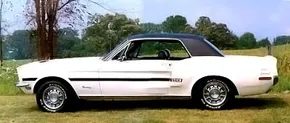
This vanilla white hardtop looks ordinary at first glance. It was powered by a 302 V8 engine mated to an automatic transmission. The list of options is sparse. But in a parking lot full of pony cars, it deserves respect. It appeals to the same audience as the big horsepower Shelby GT500.
Uninformed Mustang enthusiasts often mistakenly believe that this car is a one-off custom build. Some thought it was a notchback Shelby. The truth is more accurate. Experts immediately recognized it as a 1968 California Special. These vehicles were built at Ford’s San Jose assembly plant. Only available in the Golden State.
Ford’s goal was simple. Unload excess inventory on the West Coast market. This strategy worked for a while. In 1968, sales were around 4,000 units, but the experiment ended after that. Ford never repeated the package. This is why the 1968 Ford Mustang California Special is a rarity today. It’s hard to find one in good condition.
Why California Special is great
This kit is only available for 2-door hardtops. Can be ordered with any Mustang powertrain. The engine doesn’t matter. The style did.
In the late 1960s, Tape stripes were everywhere. They were cheap. They were common. CS packages are different. It used borrowed parts and new components. This mix creates a unique look.
“The borrowed parts give the CS a special status and can confuse Mustang watchers.”
This confusion is due to its hybrid nature. This is no standard Mustang. Not Shelby at all. It lies in a gray area that only true enthusiasts can understand. This ambiguity is part of its appeal. It forces you to look closer.
A car’s identity is tied to its origin. San Jose assembly. Sold in California. Regional exclusivity adds value. Collectors value these cars because they represent a certain time and place. Ford sought to capture the California lifestyle. They managed to create a unique model.
The 1968 model year was the only time this package existed. The following years were treated differently. This makes the 1968 version the definitive California Special. It’s the one that started it all. This is still the most desirable.
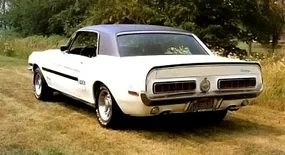
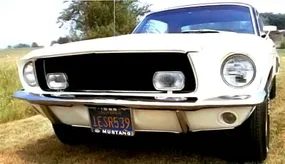
Visual deception starts at the front. A black grille is used instead of the usual chrome grille. Aftermarket fog lights have dropped into the lower valance. Non-functional fiberglass side scoops increase the width of the fender. Side stripes ran the length of the body. The rear told a different story. It uses a fiberglass rear deck and quarter panel caps straight from the 1968 Shelby convertible. Shelby taillights complete the rear end. California Special identification badges completes the look.
To the casual observer, this car is a Shelby. It wasn’t. It was a Mustang wearing a mask. This resemblance explains why collectors seek out these particular models to this day.
Most people believe that the nickname “CS” was in honor of Carroll Shelby. This assumption is part of the appeal. This is a misnomer that adds to the mystique. There is more to ownership than just driving. It’s about the conversations you start when people guess wrong.
The parts bin didn’t stop at Los Angeles.
High Country Special
Ford didn’t keep these packages exclusive to the coast. California dealers pushed the CS. However, the exact same selection of body panels and trim was sent to the showroom in Denver, Colorado.
They needed a different name. The high altitude demanded a different identity. So they called it the High Country Special.
It comes with the same fiberglass scoop. The same rear decklid. The taillights are also Shelby-inspired. The difference is purely geographical. One of the packages was destined for smoggy coast. The other is the dry mountain air.
Both are basically Shelby knockoffs. Neither are real Shelbys. But both looked fast. That was enough.
These parts are interchangeable. Denver buyer can trade High Country hood for California hood. The fit is the same. The difference is marketing.
Ford knew they couldn’t sell a fake Shelby. However, they could sell the “look”. CS and HCS are proof of concept. These show that buyers wanted the aesthetic, without the price tag or performance.
It worked. For a moment, the Mustang looked more aggressive than ever. Not because of horsepower. But because of fiberglass and badging.
Exchange
This list is not exhaustive. It’s just a map.
If you’re looking for a vintage car, find grandeur and potential at Classic Cars. Rust is only part of the budget. Renovation is a way of life.
Muscle car roars. V8 engine. Rear wheel drive. Burnouts, your tires will melt before you even reach 10 feet. Suitable for those looking for noise and straight-line speed.
Sports car has flexible handling. Exact. Agile. They punish wrong steering movements. If you like curves, look here.
Do you want to buy a new car? Consumer Guide New Car Search filters out marketing gimmicks. Compare parameters. See warranty conditions. Don’t just look at the sticker price.
Would you like to buy a used car? Consumer guide Used car search is your protection. historical report. Service book. Make decisions based on data.
Select a lane.